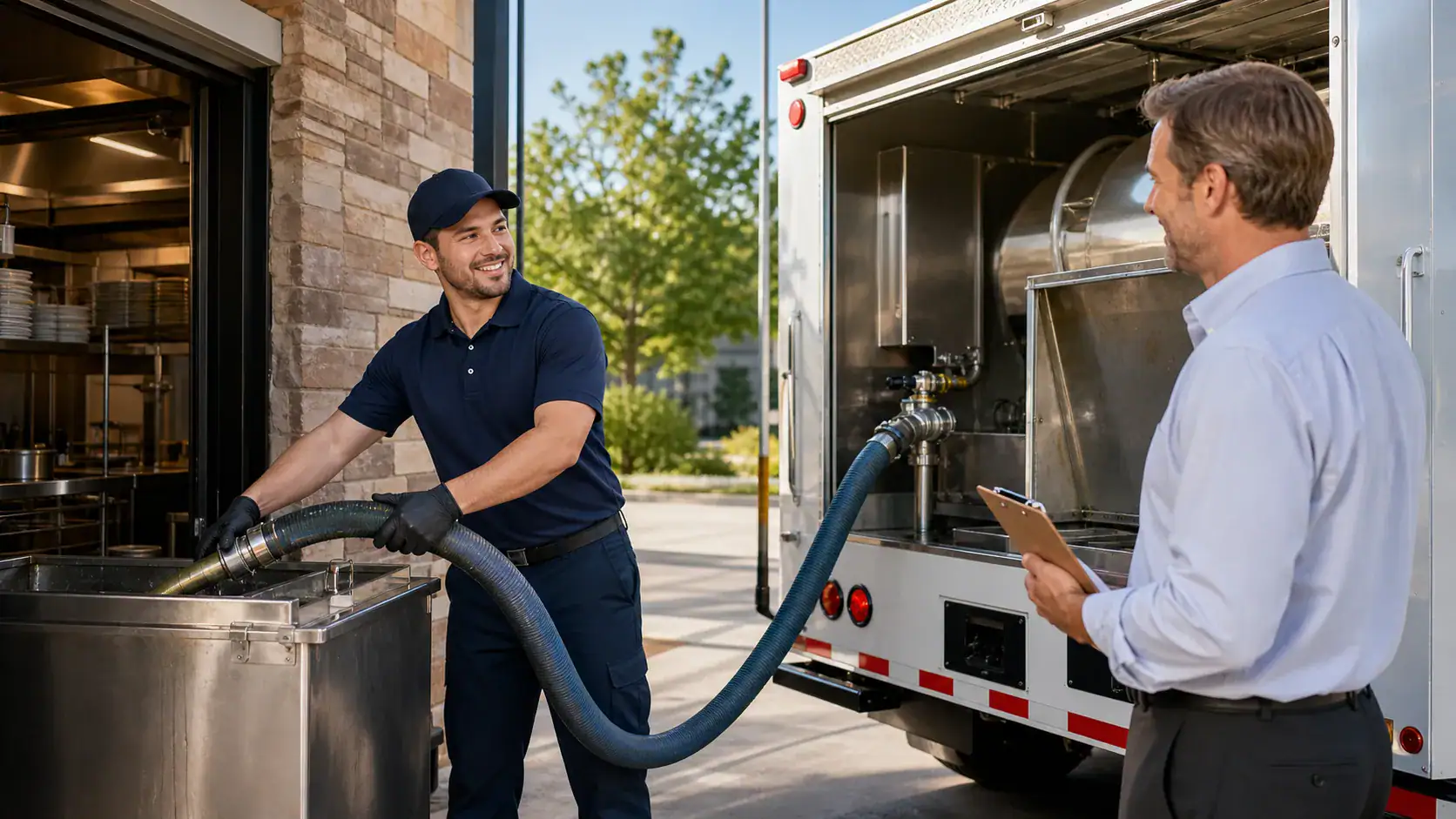
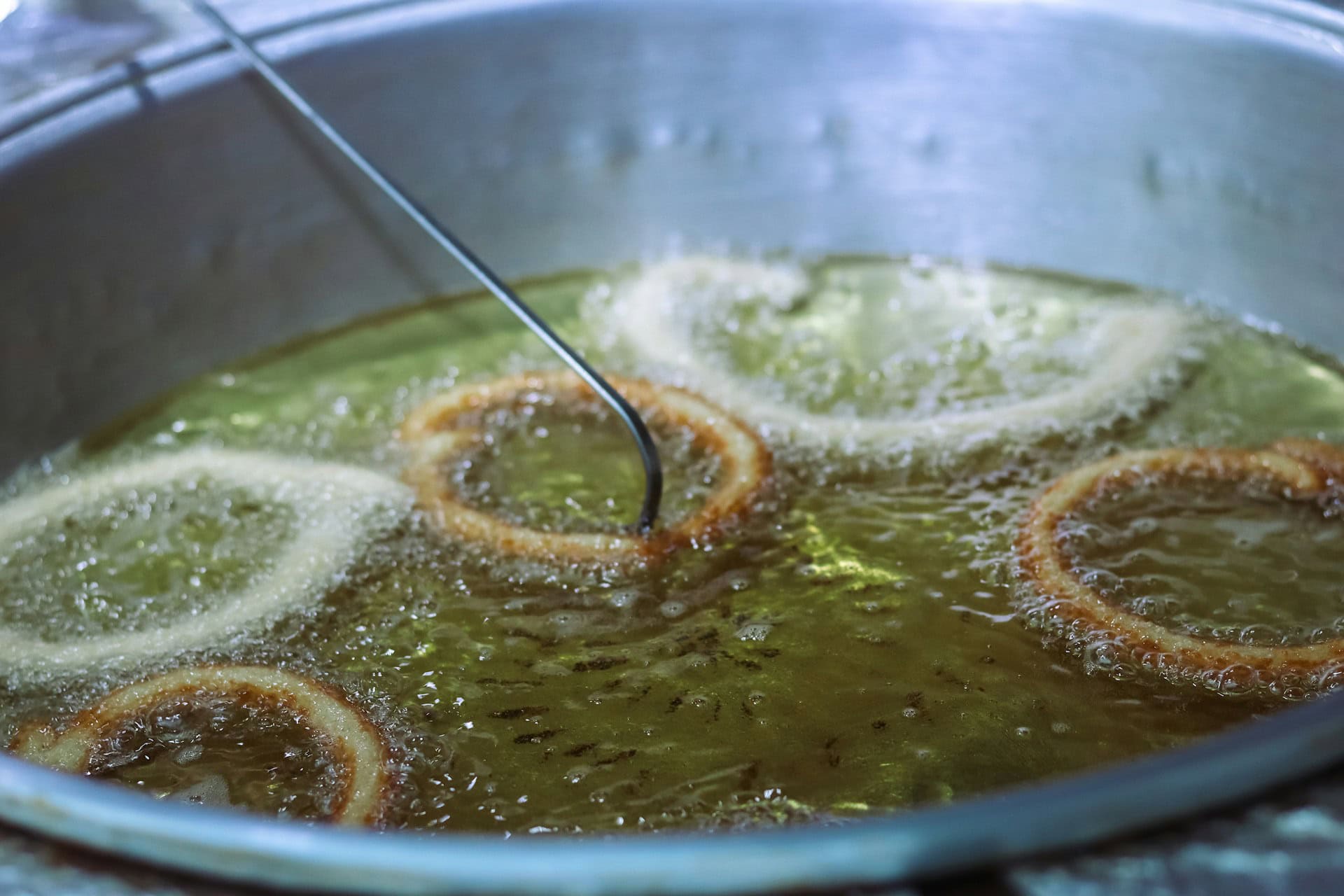
Summer in Texas means packed patios, steady tourist traffic, and fryers working nonstop. All that extra frying means more used cooking oil, and if pickups are not solid and predictable, things can get messy fast. A good commercial cooking oil pickup contract keeps that from happening.
With the right agreement, waste oil stops being a headache and starts becoming a steady, low-stress part of your kitchen routine. It can protect your staff, your space, and even add a predictable line of profit. In this guide, we will walk through what to look for, what to avoid, and how a strong contract keeps your kitchen running clean and compliant.
What Texas Kitchens Risk Without a Solid Oil Contract
When used cooking oil handling is based on a handshake or a casual promise, problems show up quickly, especially in long, hot months. Containers can overflow, lids get left open, and the smell around your back door can turn bad in a hurry.
Some common issues with loose or unclear arrangements include:
- Overflowing outdoor containers and sticky ground around the area
- Strong odors that drift toward patios, drive-thru lanes, or neighboring tenants
- Insects and rodents that show up when old oil sits too long
- Health department concerns if inspectors see spills or unsanitary storage
There are also real regulatory and property risks in Central and South Texas. When oil is poured down drains or dumped in the trash, it can cause sewer clogs. Municipalities may issue warnings or fines if they trace a problem back to a food business. Property managers and landlords can also penalize tenants if oil spills stain concrete or damage shared trash enclosures.
All of this hits operations and reputation:
- Kitchen downtime if staff has to stop to clean spills or deal with container issues
- Fire hazards when staff try DIY methods of moving hot oil in buckets or open containers
- Negative online reviews if guests notice smells or see oily messes near parking or patios
- Safety concerns if employees slip on oil around dumpsters or collection points
A clear, written contract with a reliable partner helps prevent those problems before they start.
Core Clauses Every Commercial Cooking Oil Pickup Deal Needs
A commercial cooking oil pickup contract should tell you exactly how your oil will be handled, from the kitchen door to the collection truck. If details are missing, that is often a warning sign.
Key areas to focus on include:
- Pickup frequency and flexibility
- Containers and equipment
- Payment and pricing terms
On pickup frequency, the contract should spell out:
- A regular schedule, like specific days or routes
- Extra support during busy times, such as summer tourism, holidays, or special events
- How emergency or unscheduled pickups are handled when volume suddenly spikes
For containers and equipment, you want clarity on:
- Size and type of tanks or bins that fit your space and volume
- Indoor or outdoor placement so staff can safely move oil
- Cleaning and sanitation expectations
- Who is responsible for repairs or replacements if something breaks or wears out
Payment and pricing should be easy to understand. Payouts for used oil are commonly based on:
- Volume of used oil collected
- Market conditions for recycled oil products
Make sure the contract explains how pricing may change and how you will be notified. Also look for language about extra fees. Watch for:
- Service or trip charges
- Fuel surcharges
- After-hours or weekend pickup fees
If fees are not clearly spelled out, ask questions before signing anything.
Reading the Fine Print on Service, Liability, and Compliance
The fine print might feel boring, but it is where many of the most important protections live. It tells you what happens when things go wrong, not just when everything works perfectly.
On service guarantees and response times:
- What happens if a pickup is missed?
- How quickly the provider will return in high-heat months if a container fills faster than expected
- Steps they will take to limit odor and pest issues if volumes change
Liability and insurance are just as important. Your contract should make clear:
- Who is responsible if oil spills during collection on your property
- Who covers damage to pavement, curbs, gates, or enclosures caused by trucks or containers
- What happens if an employee is hurt near the collection area and oil handling is involved
Compliance and documentation help you stay on the right side of city rules and brand standards. A solid contract usually includes:
- Regular pickup records or manifests with dates and quantities
- Confirmation that used oil is handled and recycled in line with local and state rules
- Support for audits from landlords, franchise brands, or health inspectors, so you can show proper disposal
When these items are clearly written into the agreement, you are less likely to face surprises later.
Choosing the Right Partner for Commercial Cooking Oil Pickup
Not all oil collectors operate the same way. For Texas kitchens, local knowledge makes a big difference. A provider that works across Central and South Texas day in and day out is more likely to understand:
- City and county rules for used oil storage and transport
- How different property managers expect trash areas to look
- Local routing challenges like tight alleys, shared docks, or busy tourist zones
Reliability and transparency are just as important as local experience. Smart questions to ask include:
- How are routes planned, and what happens if a truck breaks down?
- Are there backup trucks or drivers to cover missed stops?
- What is the plan for holiday weeks and big event weekends?
- How will we know a pickup has been completed?
Some providers offer text alerts, route confirmations, or access to pickup history so managers can track volumes over time. That kind of clear communication takes guesswork out of planning.
This is exactly where we focus our efforts at Perfect Solution Grease Recyclers. We provide on-site container options that work for different kitchen sizes, along with scheduled and on-demand pickups so you can match service to your actual cooking volume. Our contracts are built for long-term relationships, with clear terms and no surprises, and we offer competitive payouts for the used oil you generate.
Lock in a Summer-Ready Oil Pickup Plan Today
The busy summer rush is the perfect time to take a fresh look at your current oil pickup setup. Before fryers run flat-out for weeks, it helps to check whether your contract:
- Matches your real pickup needs during peak traffic
- Explains how payouts are calculated and reported
- Covers what happens if your volume spikes during festivals, sports events, or holidays
A simple prep checklist can make this review quick and focused:
- Gather recent invoices and pickup records
- Note any pain points like overflow, late or missed pickups, or unclear payouts
- Walk your storage area and check for odors, spills, or pest issues
- Write down questions about fees, emergency pickups, and container maintenance
When you are ready to explore better options, Perfect Solution Grease Recyclers is here to help Texas restaurant and commercial kitchen operators build clear, dependable contracts for commercial cooking oil pickup. A strong agreement helps protect your team, your guests, and your bottom line all summer and beyond.
Streamline Your Kitchen With Reliable Oil Pickup Today
Keep your operation running smoothly by letting Perfect Solution Grease Recyclers handle your used oil with dependable commercial cooking oil pickup. We work around your schedule so you can focus on serving customers instead of worrying about waste handling or compliance. Ready to set up service or customize a pickup plan for multiple locations? Just contact us and we will help you get started quickly.