Find out what restaurants earn selling used cooking oil. Current rates, volume tiers, and how to maximize your payout in 2026.
Here’s the straight answer: restaurants across Texas are earning between $0.10 and $0.65 per gallon for their used cooking oil right now. But the real money? That comes when you understand the factors that move you from the bottom of that range to the top.
If you run a food service operation and you’re still throwing away used cooking oil or dealing with an impersonal waste management company that treats your kitchen like just another job, you’re leaving money on the table. Let’s walk through how competitive payouts actually work, what affects your rate, and how to get paid fairly for something you’re already producing.
Related: Competitive Cooking Oil Buyback for Food Service Businesses
What Are Competitive Payouts for Recycled Cooking Oil?
Competitive payouts are the market rates that legitimate used cooking oil recycling companies pay you for your oil based on current demand, quality, and volume. Think of it like selling a commodity: the price fluctuates, but professional recyclers stay transparent about where that number comes from.
Right now in 2026, the U.S. cooking oil recycling industry is valued at $2.8 billion and growing fast. That growth means more competition for your oil, which actually works in your favor as a seller. Higher demand pushes rates up.
The basic payout range sits between $0.10 and $0.65 per gallon. That might sound like a small spread, but if you’re running a busy restaurant producing 50 gallons a week, the difference between a low-ball offer and a competitive one could mean an extra $2,300 a year in your pocket. Over five years, that’s real revenue.
Factors That Determine Your Actual Rate
Your payout isn’t random. It’s based on three main things: how much oil you produce, how clean it is, and what the market price is doing that month.
Volume matters first. A restaurant producing 200 gallons a month gets a better per-gallon rate than one producing 20 gallons a month. Recyclers have fixed costs for pickup and processing, so they offer better rates to high-volume customers. It makes the logistics work for them.
Quality comes second. Oil that’s been filtered, kept clean, and stored properly in a dedicated container is worth more than oil that’s been sitting in mixed containers or exposed to moisture. This is huge. If your kitchen staff follows basic storage practices, you can push your rate toward the higher end of the range.
Market price is the third factor. Yellow grease (used cooking oil from commercial kitchens) trades on a commodity market. When demand for biodiesel feedstock or industrial lubricants goes up, your oil’s value goes up. A professional recycler will be honest about where current market prices sit and why.
What’s critical here is working with a recycler who actually explains this to you. If someone quotes you a rate without telling you it’s because your volume is low, or your oil quality needs improvement, they’re not being transparent. You deserve better than that.
High-Volume Operations Get Premium Rates
If your restaurant or commercial kitchen produces 100+ gallons per month, you’re in a strong negotiating position. Some recyclers will pay closer to $0.45 to $0.65 per gallon for high-volume, high-quality oil. That’s where the real money is.
Let’s put this in perspective. A medium-sized restaurant producing 150 gallons monthly at an average rate of $0.35 per gallon makes $1,575 annually just from recycling oil they’d normally dispose of. A large catering operation or food production facility producing 500 gallons monthly at $0.50 per gallon? That’s $3,000 a month, or $36,000 a year.
The key is consistency and quality. Recyclers prefer customers who produce reliable volumes on a predictable schedule. If you’re that operation, you have leverage to negotiate better rates.
How to Get Competitive Payouts for Your Kitchen
Getting the best rate isn’t complicated, but it does require you to be intentional about three things.
First, choose a partner who will give you transparent rates. A good recycler shows you what market prices are doing and explains exactly why your specific rate is what it is. They don’t hide behind vague percentages or give you different rates every pickup without explanation.
Second, keep your oil clean and well-stored. Use a dedicated, covered container. Don’t mix oils. Keep water and food debris out. Train your staff on proper storage. This alone can bump you up $0.05 to $0.10 per gallon because your recycler saves money on processing.
Third, commit to a regular pickup schedule. Recyclers prefer predictability. If you’re producing a consistent volume and scheduling pickups on the same day each week, that’s a better deal for both of you. Some operations see rate improvements just from being reliable.
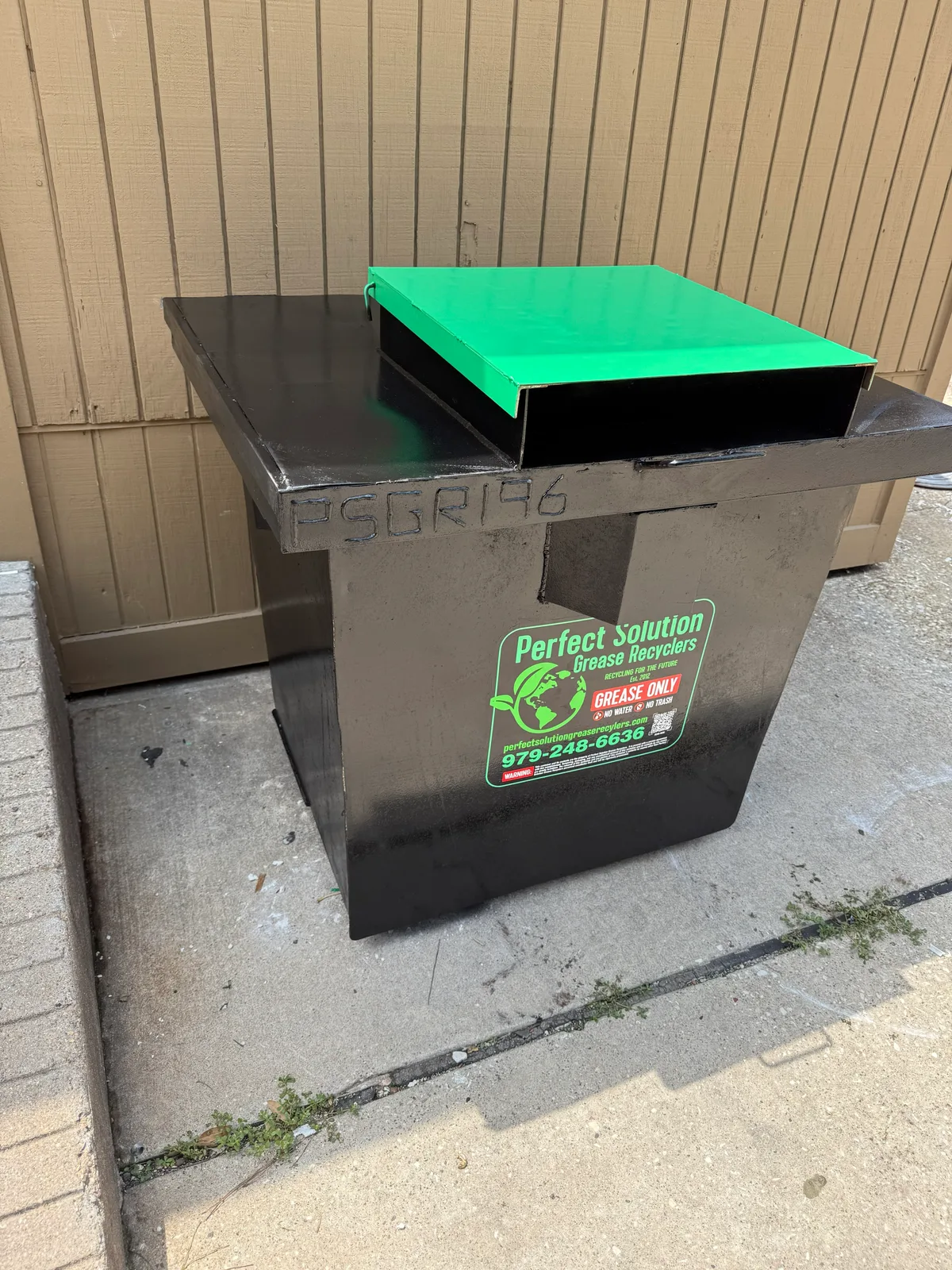
When you’re ready to find a partner who genuinely cares about fair treatment and reliable service, Perfect Solution Grease Recyclers works across Texas to deliver competitive rates based on your actual volume and quality. They handle the pickup logistics so you don’t have to worry about it, and they’re transparent about market prices and how they calculate your payout.
Understanding the Growing Market
The U.S. cooking oil recycling market is exploding right now. Global projections show growth from $8.63 billion in 2026 to $15.16 billion by 2034, driven by demand for sustainable fuels and industrial lubricants. That growth means more recyclers competing for your oil, which pushes rates higher and creates better service options for you.
North America dominates with 43.69% of the global market share. In Texas alone, there are professional operations building their entire business around reliable pickups and fair payouts to restaurants and food service businesses.
This growth is good news for you. More competition among recyclers means they have to offer better rates and better service to keep your business. It’s not the old waste management model where one company controls the area and sets whatever price they want.
What You Should Expect From a Professional Recycler
Before you sign on with anyone, here’s what competitive service should include.
- A dedicated storage container installed at your location at no charge to you
- Scheduled pickups based on your volume, not their convenience
- Clear, itemized invoices showing the gallon amount and rate paid
- Payment within a reasonable timeframe (usually 7-10 business days)
- Transparency about current market prices and how your rate was calculated
- A contact person you can reach if you have questions or scheduling needs
If a recycler isn’t offering at least most of these things, you’re not getting competitive service. You’re getting the bare minimum, and your rates will reflect that.
The whole point of switching to a professional like Perfect Solution Grease Recyclers is that they treat you like an actual business partner, not like another line item in their logistics schedule. That’s where better payouts come from.
Why Quality and Consistency Beat Volume Alone

Here’s something a lot of restaurants don’t realize: you don’t need to be a massive operation to earn competitive rates. A smaller restaurant with really clean, consistently produced oil can sometimes out-earn a bigger operation that’s careless about storage and timing.
This matters because it means every kitchen has a path to better payouts. You don’t need to double your fryer capacity. You just need to run a tight ship and work with a recycler who values reliability.
If your kitchen is currently managing oil disposal on its own or through a general waste contractor, switching to a dedicated oil recycler will almost always improve your rate just because you’re moving from a non-specialist to someone who actually knows the market.
Real Numbers: What Different Operations Earn
Let’s make this concrete with actual scenarios based on current market conditions:
- Small cafe or bakery (20-30 gallons/month): Approximately $7-$15/month at $0.10-$0.20 per gallon. Still worth it if you’re not paying disposal fees.
- Regular sit-down restaurant (75-100 gallons/month): Around $35-$50/month at $0.25-$0.35 per gallon.
- High-volume restaurant or catering (200+ gallons/month): $70-$130/month at $0.35-$0.65 per gallon.
- Food production facility (500+ gallons/month): $200-$325/month at $0.40-$0.65 per gallon.
The exact numbers depend on your local market and current commodity prices, but this gives you a realistic expectation of what’s fair for your operation size.
When you’re evaluating whether to switch to a professional recycler, factor in what you’re currently paying for oil disposal. Many restaurants are shocked to learn they could actually be earning money instead of paying someone to haul it away.
How to Lock in Better Rates
Once you’ve found a recycler offering competitive payouts, there are a few ways to make sure you stay at the top of their rate scale.
Keep communication open about your volume. If your seasonal business changes, let them know. They can adjust your pickup schedule, which helps them manage their routes more efficiently. That kind of partnership usually leads to better treatment and rates.
Stay disciplined about oil storage. Keep your containers covered, locked, and away from weather and contamination. This is the easiest way to maintain premium quality and premium rates without doing anything complicated.
Show up for your scheduled pickups consistently. If you’re always available on pickup day, you’re making their job easier. Recyclers remember which customers are reliable, and they take care of those customers when rates are adjusting.
Ask your recycler directly what would improve your rate. They’ll tell you if it’s volume, quality, consistency, or market conditions. You can’t control the market, but you can control the other factors.
Getting Started With Competitive Payouts
The first step is getting a quote from a professional recycler who knows your area and your volume. They’ll look at how much oil you’re producing, what quality you can maintain, and what your pickup frequency should be. Then they’ll give you a rate and a clear explanation of why that rate is fair.
Compare that offer against what you’re currently paying for disposal or what you’re earning from a current recycler. The difference might surprise you.
When you’re ready to move, Perfect Solution Grease Recyclers serves restaurants across Texas with transparent pricing, reliable pickups, and actual partnership rather than transactional relationships. They’ll install your container, set up your schedule, and pay you fairly based on current market conditions and your actual volume and quality.
What if I’m producing small volumes, like less than 30 gallons a month?
You’re still worth recycling. Most professional recyclers have a minimum volume threshold, but it’s usually lower than you’d think, maybe 15-20 gallons per month. Your rate will be toward the lower end of the range because the pickup logistics cost more relative to the amount of oil, but you’re still earning instead of paying. Plus, you’re not paying disposal fees anymore, so your net benefit is real even if the per-gallon rate isn’t premium.
How often do payout rates change?
Competitive payout rates can shift monthly or even more frequently as commodity markets and fuel demand change. A reputable recycler will tell you when rates are adjusting and explain why. You shouldn’t discover a rate change on your invoice without prior notice. The best partners give you 30 days’ notice of significant changes and explain the market reason behind them.
Can I negotiate my rate or lock in a price for a year?
Rates are mostly set by market conditions, so locking in a fixed price isn’t really how this business works. But you can negotiate your baseline rate by proving you’re a reliable, high-quality, high-volume producer. Once you’ve been with a recycler for a few months and they see your patterns, you can ask if there’s a floor rate or a tiered increase as your volume grows. Many professional recyclers will work with you on this if you’re a good partner.
What happens to my rate if the quality of my oil drops?
Your recycler will either adjust your rate down or let you know you need to improve storage practices. This is one reason transparency matters so much. A good recycler will give you specific feedback about what’s degrading your oil (moisture, food debris, temperature fluctuations) and give you a chance to fix it. They won’t just quietly drop your rate without explanation.