Learn how cooking oil collection works for restaurants and food trucks. Discover pickup schedules, container setup, and why proper grease recycling matters for your business.
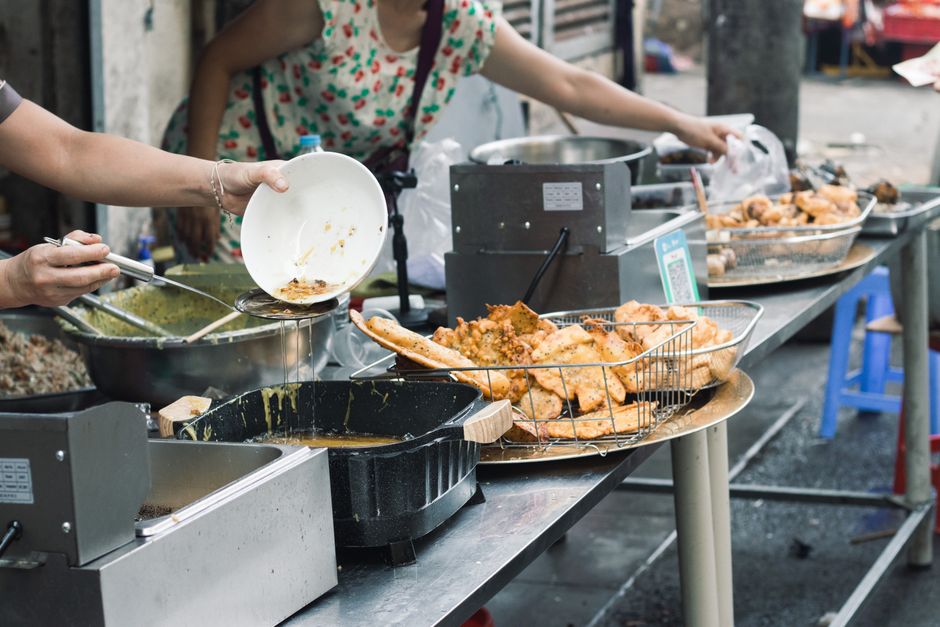
If you run a restaurant or food truck, you’re generating used cooking oil every single day. But where does it actually go, and how should you handle it? Cooking oil collection for restaurants and food trucks is more than just a disposal problem—it’s a business opportunity that pays you money while solving a real operational headache.
Here’s the deal: instead of treating used cooking oil as waste, you can partner with a grease recycling service that picks it up on a schedule, pays you competitive rates for the oil, and handles everything from container delivery to logistics. Let’s walk through how this actually works and why it matters for your bottom line.
Why Cooking Oil Collection Matters for Food Service Businesses
Used cooking oil isn’t garbage. It’s a valuable commodity that gets refined, filtered, and converted into biodiesel fuel and other products. But improper disposal creates real problems.
When grease gets poured down drains, it clogs your plumbing, leads to expensive repairs, and can damage municipal sewage systems. When it’s left sitting in containers outside, it attracts pests, creates environmental contamination, and frankly, makes your business look unprofessional. Proper cooking oil collection for restaurants and food trucks eliminates these headaches while putting cash back in your pocket.
For environmental responsibility, the EPA emphasizes proper waste management as a core component of responsible business operations. Used cooking oil recycling keeps waste out of landfills and prevents environmental contamination—it’s a win for your business and the community.
How Cooking Oil Collection Works in Practice
The process is straightforward, and most services operate on a similar framework.
Step 1: Setup and Containers – A recycling partner delivers dedicated collection containers to your location. These containers are clearly labeled, sized appropriately for your volume, and positioned where your kitchen staff can easily access them. Most businesses get 1-3 containers depending on how much oil they use weekly.
Step 2: Daily Operations – Your crew simply pours used oil into the containers instead of down the drain or into random buckets. That’s it. No special training needed. The containers stay on-site, protected from the elements and pests.
Step 3: Scheduled Pickup – Based on your volume and how quickly you fill containers, pickups happen on a regular schedule—weekly, biweekly, or monthly. You don’t have to call every time; it’s automatic. The service handles the entire collection process professionally and discreetly.
Step 4: Payment – You get paid at market rates for the oil collected. Rates fluctuate based on crude oil prices and market demand, but many businesses earn consistent revenue from their used oil. Payment is typically handled per pickup or monthly, depending on your agreement.
Food Truck-Specific Challenges and Solutions
Food trucks face unique obstacles that stationary restaurants don’t.
You’re mobile, so you might be at different locations throughout the week. Your space is limited, so large containers aren’t practical. You can’t access a permanent drain system, which means proper grease containment is critical. Some food trucks operate from shared commissaries, which adds another layer of coordination.
The solution is a tailored collection approach. Many services offer smaller containers designed specifically for mobile operations, more frequent pickups if needed, and flexible scheduling that works around your route. Some even offer collection at your commissary or parking location, rather than a fixed commercial address.
When you’re evaluating options, make sure the service you choose understands food truck operations and can adapt to your specific schedule and location needs.
Setting Up Your Container System

A functional oil collection system requires the right infrastructure.
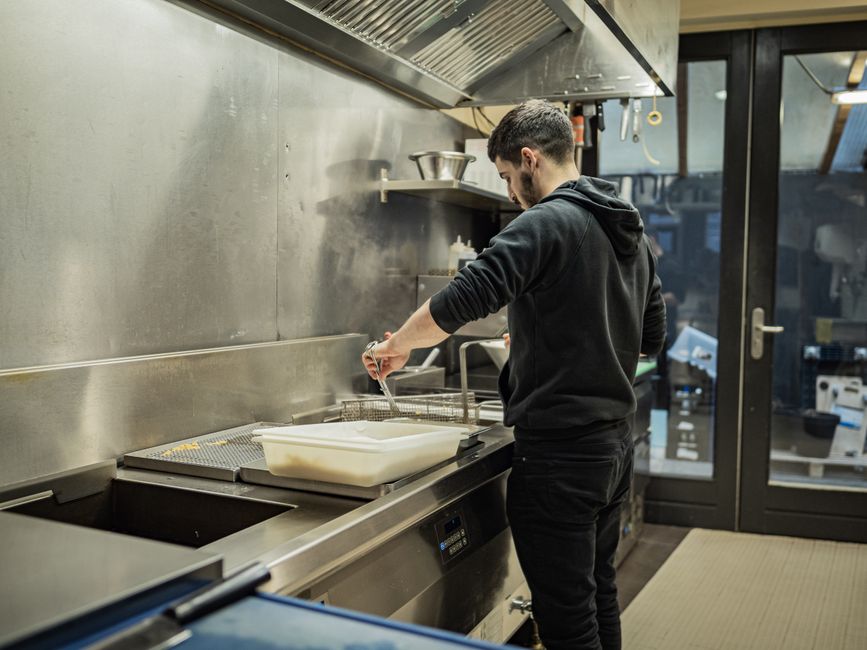
Container Size and Placement – Most restaurants use 35-55 gallon containers, though food trucks might use 20-35 gallon units. Containers should be placed in a dedicated spot in your kitchen—ideally near fryers and prep areas where oil is filtered or discarded. Avoid placing containers in high-traffic areas where staff might trip or spill.
Clear Labeling – Every container needs visible, clear labeling that says “used cooking oil only.” This prevents accidental dumping of other liquids or waste. Train your entire kitchen staff on the system so everyone knows where used oil goes.
Spill Protection – Containers should sit on a mat or in a secondary containment area to catch drips. This protects your floor and prevents environmental issues if a container leaks before pickup.
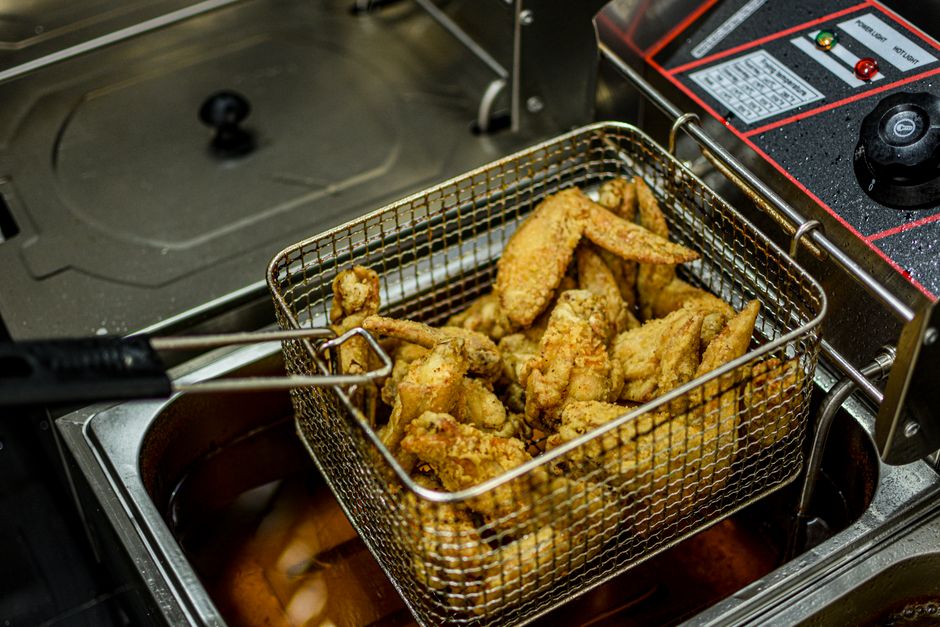
Drainage and Straining – Some operations prefer to strain solid food particles out of oil before it goes into collection containers. This keeps the oil cleaner and is actually appreciated by recycling services. If you do this, use a dedicated strainer and never pour liquid through standard kitchen drains.
Finding a Reliable Cooking Oil Collection Service
Not all grease recyclers are equal. Here’s what to look for.
Related: Reliable Used Fryer Oil Collection in Texas: Your Complete Guide
Related: Schedule a Used Cooking Oil Pickup in Texas: Your Complete Guide
Related: Reliable Grease Collection for Austin-Area Restaurants: Complete Guide
Related: Commercial Kitchen Grease Collection in Austin: Complete Guide
Local, Hands-On Service – Bigger, impersonal waste management companies treat oil collection as a minor sideline. You want a partner who specializes in grease recycling, knows their customers by name, and handles pickup reliably. A second-generation, locally-focused business will usually treat you better than a corporate chain.
Transparent Pricing – Get clarity upfront on how payment works. Are you paid per gallon? Per pickup? Are rates fixed or do they float with the market? What happens if a container arrives damaged? A trustworthy service explains all this without jargon.
Flexible Scheduling – Your volume fluctuates. During busy seasons, you might fill containers faster. A good service adjusts pickup frequency without penalty and works around your hours—whether you’re open late or closed on specific days.
Professional Equipment – Containers should arrive clean, clearly marked, and in good condition. Pickup should be quick and discreet. You’re not paying for sloppiness or disruption to your operations.
If you’re in Texas, Perfect Solution Grease Recyclers focuses specifically on used cooking oil collection for restaurants and food trucks. They handle container delivery, manage scheduled pickups based on your actual volume, and pay competitive rates—without the corporate runaround.
Best Practices for Oil Management
Once you have a collection system in place, follow these guidelines to keep everything running smoothly.
- Never mix oils: Keep vegetable oil, animal fat, and other cooking fats in separate containers if your service requests it. Some operations handle all types; others prefer separation for recycling quality.
- Don’t overfill: Containers have a fill line for a reason. Overfilled containers can spill during transport and create safety hazards for the pickup crew.
- Keep containers sealed: An open container attracts pests and lets rain in. Close the lid after each pour.
- Regular communication: If your volume changes dramatically or you’re going on vacation, let your service know so they can adjust scheduling.
- Monitor payment: Keep records of pickups and payment amounts. Discrepancies are rare with good services, but tracking helps you spot problems early.
What Happens to Your Used Oil After Pickup

Curiosity is natural. Where does all that used cooking oil actually go?
After collection, the oil goes to a recycling facility where it’s filtered to remove food solids and water. This cleaned oil is then refined and processed into high-quality biodiesel fuel, which powers vehicles and industrial equipment. Some of it also becomes feedstock for other products like cosmetics, lubricants, and animal feed additives.
Recycling used cooking oil diverts waste from landfills, reduces dependence on virgin petroleum, and supports a circular economy. Your grease isn’t just leaving your kitchen—it’s actually being reused productively. That’s why recycling services pay for it and why customers are increasingly choosing responsible disposal over dumping.
Common Questions About Cooking Oil Collection
How often should I schedule pickups?
It depends on your volume and container size. A busy restaurant might fill a 55-gallon container weekly, while a smaller operation or food truck might only need pickup every 2-3 weeks. Your service should help you figure out the right frequency during the initial consultation. You can always adjust later if your volume changes.
Do I need multiple containers?
Most restaurants benefit from having at least two containers—one in use while the other is scheduled for pickup. This prevents overfilling and keeps operations smooth. Food trucks often use one smaller container, but it depends on your fryer capacity and service frequency. A cooking oil collection service will recommend the right setup based on your specific situation.
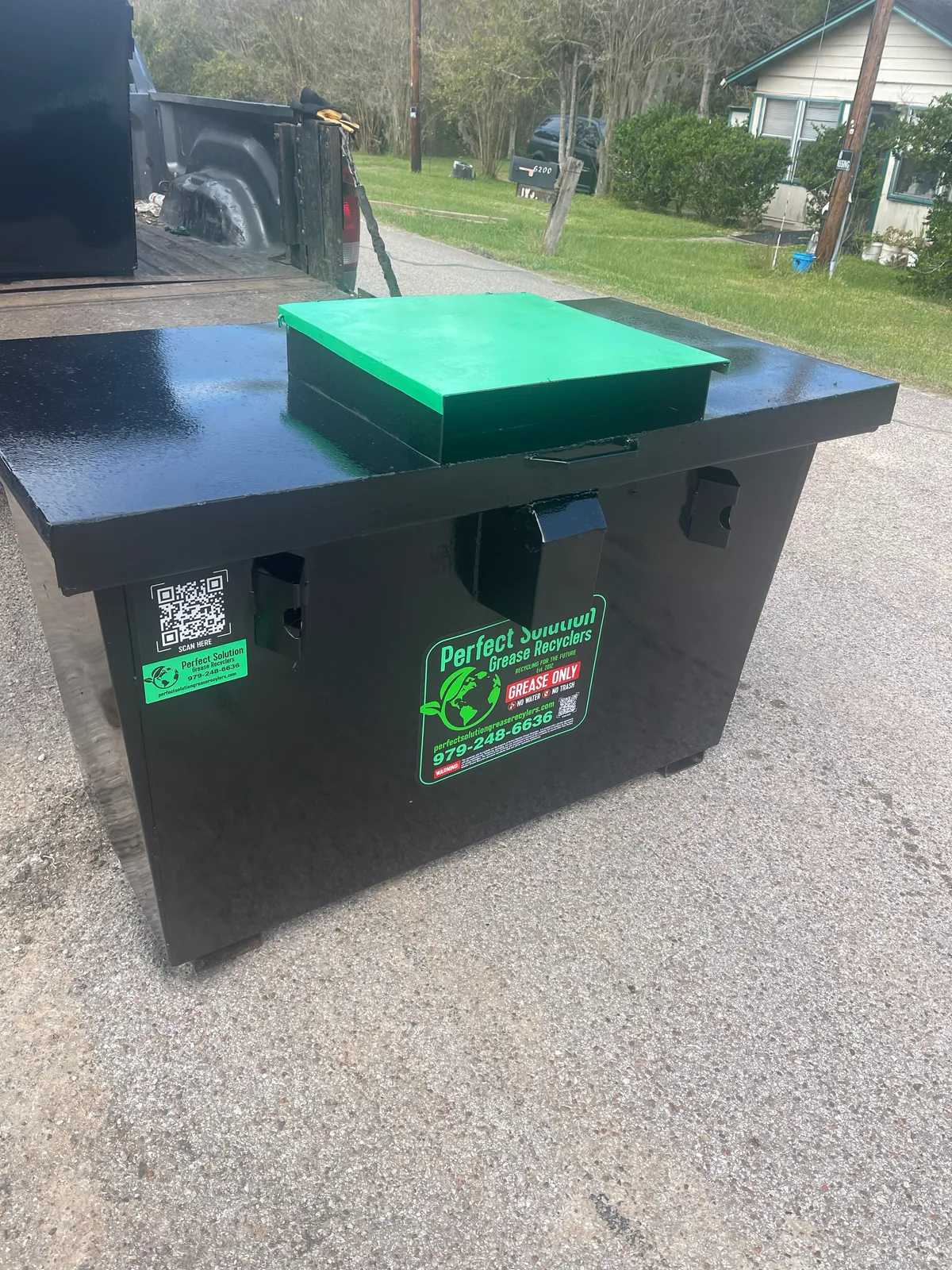
What if I have a very small volume?
If you’re a tiny operation or just starting out, some services have minimum volume requirements or may not service your area. But don’t assume you’re too small. Many local recyclers will work with low-volume clients because the relationship might grow, and they value reliability over pure scale. Ask directly about their minimum requirements.
How much money can I actually make from used oil?
Earnings vary by market conditions and volume. A typical restaurant might earn $50-200 per month depending on how much oil they generate. It’s not going to replace your revenue, but it’s a nice offset to operational costs. The real value is avoiding drain problems and disposal hassles—the payment is a bonus. Track your pickups to understand your business’s typical volume and potential earnings.