
Turn your used cooking oil into cash. Learn how restaurants profit from grease recycling, what affects your payout, and how to get started today.
Your restaurant generates used cooking oil every single day. For years, you’ve probably seen it as a disposal cost or an annoying waste management headache. But here’s the truth: that used oil is actually worth money.
Restaurants across Texas are earning real revenue by selling their used cooking oil to buyers who want it. Instead of paying someone to haul it away, you can flip the script and get paid for it. It’s a simple shift that puts cash back in your pocket while handling something you’re already dealing with anyway.
Let’s walk through exactly how this works, what impacts your earnings, and how to set yourself up to start profiting from your used oil.
How Restaurants Make Money From Used Cooking Oil
The basic idea is straightforward. Your restaurant uses oil for frying, sautéing, and cooking. When that oil reaches the end of its life, it gets collected and sold to buyers who recycle it into biodiesel and other products.
Related: Used Cooking Oil Recycling Containers for Restaurants
Related: Maximize Profits From Used Fryer Oil Recycling
Those buyers will pay you for your used oil. The more oil you have, the more potential revenue you’re looking at. But it’s not just about volume. Several factors shape how much money you actually earn.
What Determines Your Used Oil Payout
Not all used cooking oil is created equal in the eyes of buyers. Quality matters more than you might think.
Oil quality is the biggest factor. Clean oil that’s been properly filtered and stored commands better rates than dirty, contaminated oil. If your oil sits in an open container and picks up food debris, water, or other waste, its value drops. Proper storage and handling preserve what you’re selling.
Volume affects your per-gallon rate. Restaurants that collect larger quantities often negotiate better pricing than those selling tiny amounts. If you’re generating 50 gallons a week versus 5 gallons, buyers view you differently. More consistent volume means a more reliable supply for them, and that reliability has value.
Your location impacts earnings. Distance between your restaurant and the buyer or collection point influences what you’ll earn. Collection costs money, so buyers account for travel distance when they quote rates. A restaurant in downtown Austin gets quoted differently than one 40 miles outside the city.
Market conditions shift your rate. Used cooking oil prices fluctuate based on biodiesel demand and broader commodity markets. Rates this month might differ from rates next month. This is outside your control, but it’s worth understanding that your payout isn’t static.
Oil type matters too. Animal-based fats and vegetable oils command different rates. Blended oils or unusual cooking media might not have a market at all. Pure, standard cooking oils are easiest to sell.
The Real Advantage of Professional Collection
You could theoretically handle used oil storage and sale on your own. But that’s where most restaurants hit a wall.
Managing used oil yourself means finding a buyer, arranging pickups, storing it safely, and handling all the logistics. It’s time-consuming and risky. You need proper containment to prevent spills, leaks, and environmental issues. You need to know when and where to sell. You need someone reliable to actually come pick it up.
This is exactly where Perfect Solution Grease Recyclers makes life easier. Instead of juggling all this yourself, you partner with a professional collection service that handles everything.
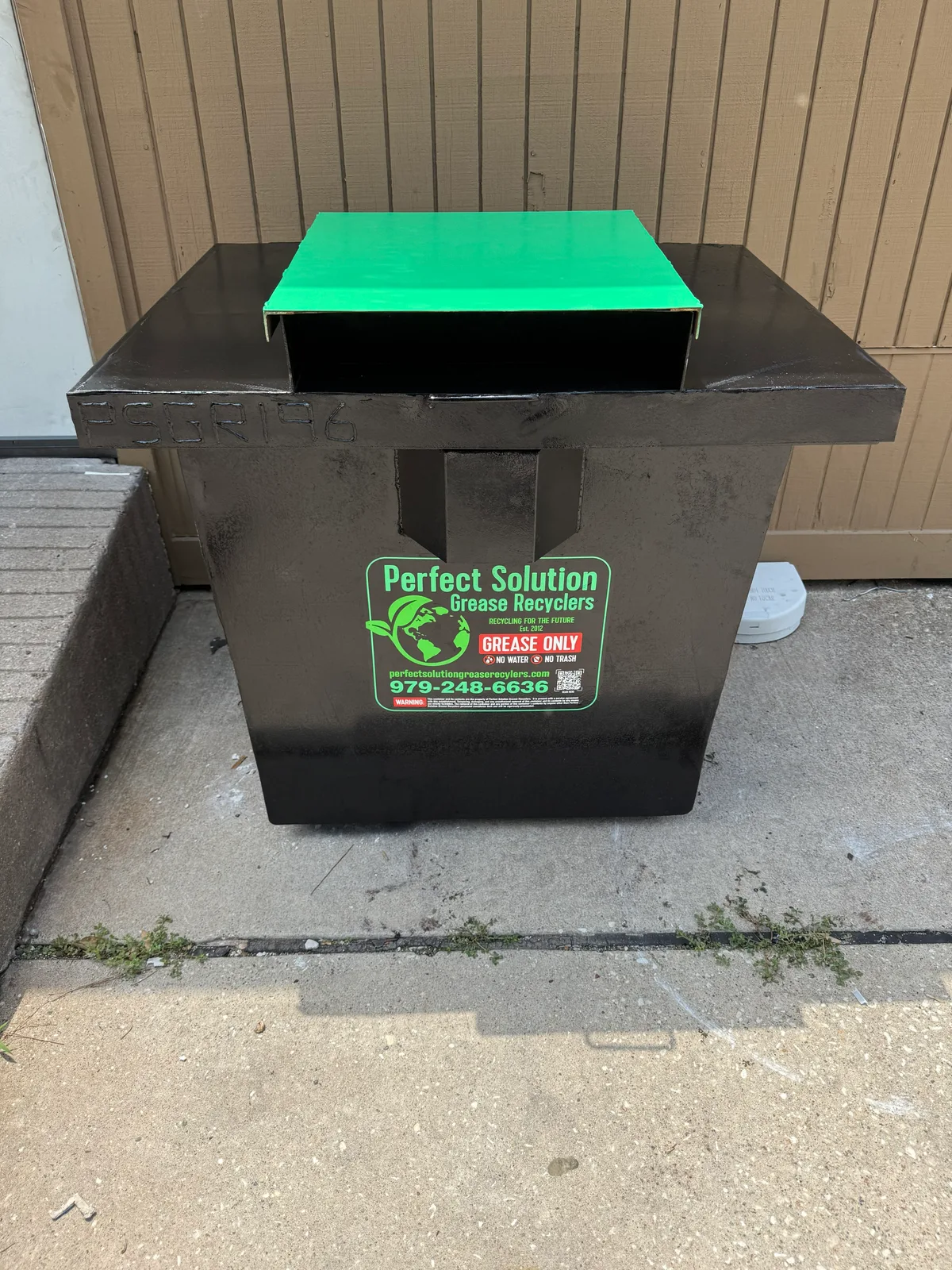
Here’s what changes: you get a dedicated storage container delivered to your restaurant. You fill it with used oil as you normally would. A collection team shows up on a regular schedule to empty it and take the oil away. You get paid for what you’ve collected. No hunting for buyers. No risky storage concerns. No missed opportunities.
The revenue is the same whether you handle it yourself or use a collection service, but the peace of mind and time savings are enormous. You keep running your kitchen while someone else manages the business side.
Steps to Start Earning From Your Used Oil

Step 1: Assess your current oil volume. How much used cooking oil does your restaurant generate per week or month? Track it for a few weeks if you’re not sure. More volume means better earning potential and more interest from collection services.
Step 2: Improve your storage practices. Start filtering and storing oil properly right now. Use clean, sealed containers. Keep oil away from water, debris, and contamination. Better oil quality equals higher payouts, so this matters immediately.
Step 3: Connect with a collection partner. Instead of selling to random buyers or handling logistics yourself, reach out to Perfect Solution Grease Recyclers if you’re in Texas. They specialize in regular pickups, fair pricing, and hassle-free service for restaurants and commercial kitchens.
Related: Used Oil Collection Service Cost Texas Restaurants
Step 4: Set up a collection schedule. Work out when pickups happen based on your oil generation. Consistent schedules mean consistent revenue and prevent storage overflow.
Step 5: Track your earnings. Monitor what you earn each month. Over time, you’ll see the impact on your bottom line and understand the real value of what you’re recycling.
Why Local Service Matters for Your Payout
Large, impersonal waste management companies might pick up your oil, but they’re not focused on getting you the best rate. They’re processing volume from hundreds of restaurants.
Smaller, local collection services like Perfect Solution Grease Recyclers take a different approach. They know their customers. They understand your specific situation. They’re invested in fair pricing and reliable service because their reputation depends on it.
When you work with a family-oriented business that actually cares about your success, you get better communication, consistent pickups, and rates that reflect the real value of your oil. It’s the difference between being a ticket number and being a valued partner.
If you’re ready to turn your used oil into actual revenue, Perfect Solution Grease Recyclers is ready to help Texas restaurants make it happen.
Common Questions About Making Money From Used Oil
Do all restaurants generate enough oil to make money worth the effort?
Even smaller restaurants with lower volume can benefit from oil collection. Every gallon has value. The real payoff comes from consistency. If you’re cooking regularly and generating oil, it’s worth capturing that revenue instead of treating it as pure waste. Larger operations see bigger dollar amounts, but smaller kitchens still win by removing a disposal cost and gaining a small revenue stream.
Can I sell my used oil if it’s mixed with other cooking byproducts?
Heavily contaminated oil is harder or impossible to sell. Pure cooking oil is what buyers want. If your oil is mixed with large amounts of food debris, water, or other substances, its market value drops significantly or disappears. Keep your used oil clean and separate to maximize what you earn.
How often should I expect collection pickups?
It depends on your volume. High-volume restaurants might get weekly or bi-weekly pickups. Smaller operations might go monthly. A good collection service adjusts the schedule to match what you generate, so you’re not overfilled and not waiting forever between pickups. Talk to your service provider about what makes sense for your kitchen.
What happens if market prices drop?
Your payout will adjust with market conditions. When biodiesel demand is high or commodity prices favor used oil, you earn more per gallon. When markets soften, rates dip. This is normal and affects all restaurants equally. The advantage of working with a reliable local service is that you get transparent communication about rate changes instead of being surprised.