
Find reliable grease removal services in Austin. Learn how restaurant grease pickup works, what to expect, and how to choose the right provider for your kitchen.
Looking for a restaurant grease removal service near Austin? You’ve got options, but not all of them are created equal. Here’s what you need to know to find the right fit for your kitchen.
What Is Restaurant Grease Removal Service?
Restaurant grease removal service is pretty straightforward: a company comes to your kitchen on a regular schedule, collects your used cooking oil, and hauls it away responsibly. Instead of letting grease clog your pipes or pile up in storage containers, you get a dedicated pickup schedule tailored to how much oil your operation generates.
Related: Dedicated Grease Containers for Food Service: Complete Setup Guide
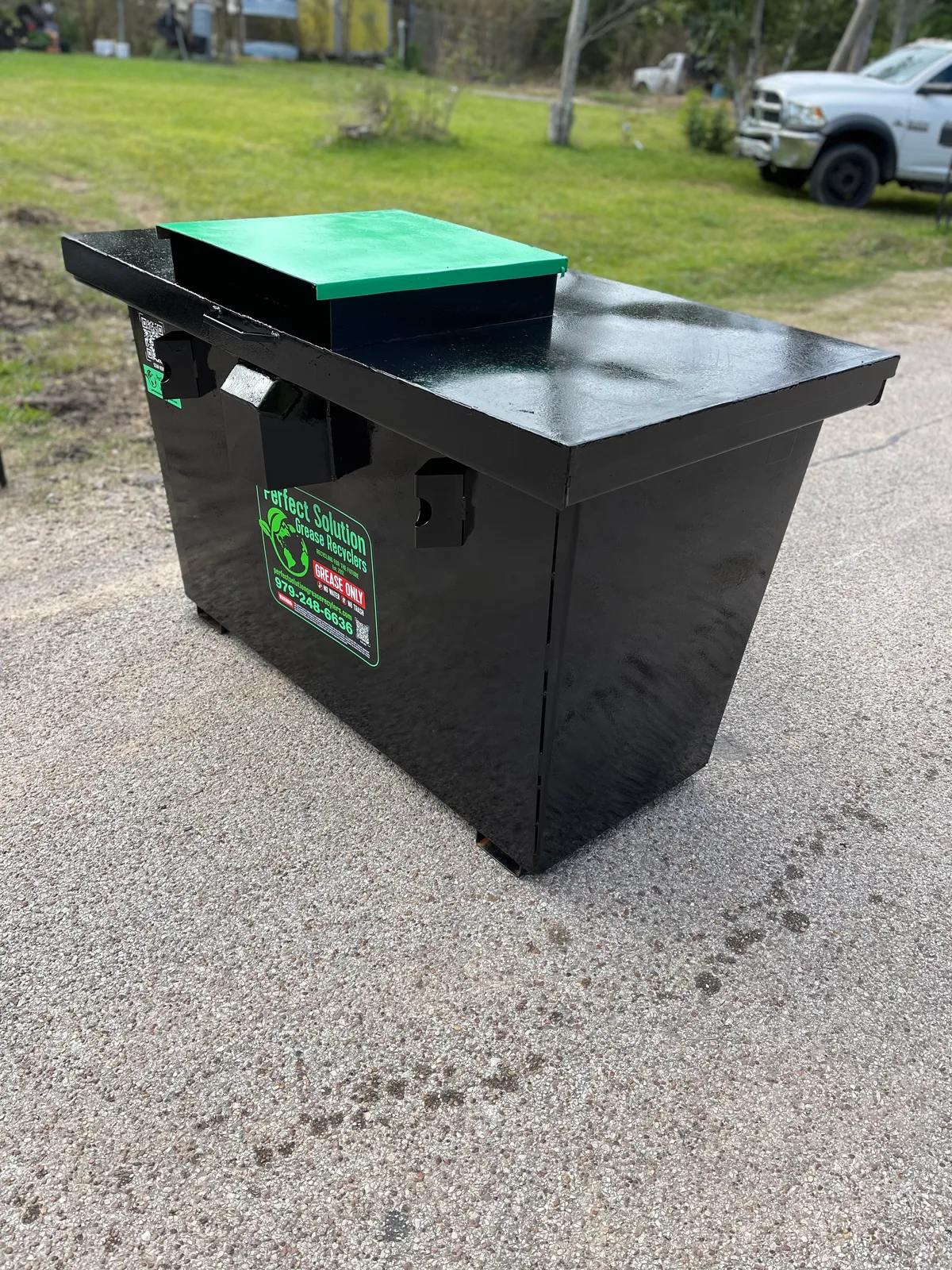
The service usually includes delivering and installing storage containers at your location, managing scheduled pickups based on your volume, and sometimes even paying you competitive rates for the oil itself. It’s basically the difference between dealing with a massive waste management corporation and working with someone who actually knows your business by name.
Why Austin Restaurants Need Grease Removal Services
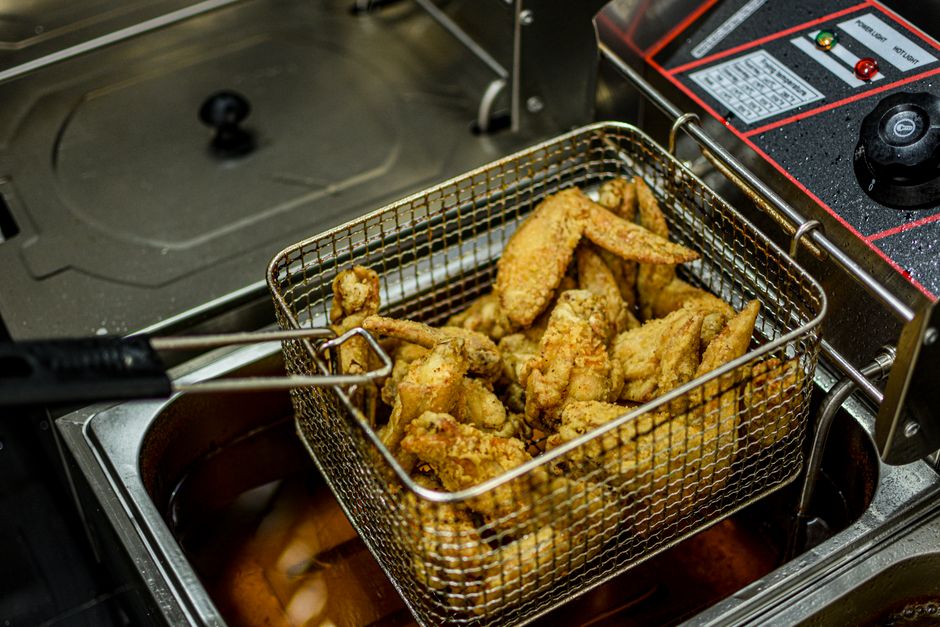
Austin’s restaurant scene is booming. That means more fryers, more griddles, and way more used cooking oil flowing through commercial kitchens every single day. Grease doesn’t just disappear, though. If it goes down your drain, it hardens in the pipes and creates expensive blockages. If it sits in containers too long, it attracts pests and smells terrible.
Related: Commercial Kitchen Grease Collection in Austin: Complete Guide
Related: Commercial Fryer Oil Removal and Recycling: A Complete Guide
A reliable grease removal service keeps your kitchen clean, protects your plumbing, and ensures you’re handling waste responsibly. Plus, depending on the provider, you might actually get paid for that oil instead of paying to dispose of it.
Related: Reliable Grease Collection for Austin-Area Restaurants: Complete Guide
Related: Reliable Used Fryer Oil Collection in Texas: Your Complete Guide
Related: Grease Recycling Pickup for Central Texas Restaurants: Complete Guide
How Restaurant Grease Removal Services Work
The process is simple but depends on finding the right company for your needs.
Related: Professional Grease Removal & Recycling in Texas: A Guide
Initial Setup
A technician delivers a storage container or tank to your kitchen. It’s sized based on how much cooking oil you generate weekly or monthly. They install it in a convenient location, usually near your fryer station.
Regular Pickup Schedule
Once you’re set up, pickups happen on a schedule that matches your volume. A busy fried chicken spot might need weekly service. A restaurant that uses less oil might do monthly pickups instead. You don’t have to manage this yourself — the company handles the scheduling.
Related: Restaurant Oil Pickup Service in San Antonio: Complete Guide
Professional Handling
When the pickup truck arrives, the driver collects your oil containers, empties them safely, and cleans up any spills. No mess left behind in your kitchen.
Related: Restaurant Used-Oil Recycling with Container Service: Full Guide
Responsible Disposal or Recycling
Your used cooking oil doesn’t end up in a landfill. It gets recycled into biodiesel, animal feed, or other products. Some services even pay you for the oil based on current market rates.
What to Look For in a Grease Removal Service Near Austin

Not all grease removal providers are the same. Here’s what separates the good ones from the mediocre.
Reliable Scheduling
You need a company that shows up when they say they will. Missed pickups mean overflowing containers and backed-up drains. Ask potential providers about their on-time record and what happens if they miss a scheduled pickup.
Flexible Pickup Frequency
Your volume might change seasonally or with business growth. A good service adapts to your needs instead of forcing you into a fixed contract. Perfect Solution Grease Recyclers manages pickups based on actual volume, which means you’re not paying for service you don’t use.
Competitive Pricing
Ask about their rates upfront. Some services charge flat fees. Others pay you based on oil quality and market rates. Get quotes from at least two providers so you know what’s fair in your area.
Emergency Service Availability
What happens if your container fills up faster than expected or backs up? A reliable provider offers quick emergency service, not just scheduled pickups.
Local Presence
A company familiar with Austin restaurants understands health code requirements, seasonal demand shifts, and local plumbing challenges. They’re also more likely to offer personalized customer service instead of treating you like a number.
Grease Trap Cleaning vs. Used Oil Pickup
Here’s where people get confused: grease trap cleaning and used cooking oil pickup are two different services, and you might need both.
Used Oil Pickup
This is what we’ve been talking about. You collect fryer oil and other used cooking oils in containers. A service comes and takes them away regularly. This is preventative — it keeps grease out of your pipes in the first place.
Grease Trap Cleaning
A grease trap is a device installed in your plumbing that catches grease before it enters the sewer system. Over time, it fills up and needs to be pumped out. This is maintenance that usually happens less frequently than oil pickups. According to Texas health department guidelines, grease traps must be maintained regularly to prevent overflow and environmental issues.
Ideally, you want both services. Regular oil pickup keeps your trap from filling up too fast. Periodic trap cleaning ensures your plumbing stays healthy long-term.
How Often Should You Schedule Pickups?
This depends entirely on your operation. A high-volume fryer restaurant might generate 50+ gallons of used oil per week. A casual bistro with minimal frying might produce 5-10 gallons monthly.
Ask your service provider to help you determine the right frequency. They can look at your kitchen setup and estimate based on your equipment and menu. Most Austin restaurants fall into weekly or bi-weekly pickup schedules.
Pro tip: Don’t wait until your containers are overflowing to call for a pickup. Set up service before you run out of space, and adjust the frequency as your business changes.
Getting Started With Grease Removal Services in Austin

Ready to set up service? Here’s what to do:
- List your kitchen’s current equipment (how many fryers, griddles, etc.)
- Estimate how much used oil you generate per week
- Call local providers and ask about their service area near Austin
- Request pricing quotes and pickup frequency options
- Ask about container sizes and installation
- Confirm they offer the pickup schedule that matches your needs
- Check whether they pay for oil or charge fees
When you’re comparing options, remember that the cheapest service isn’t always the best. A provider who shows up consistently and communicates clearly saves you headaches and money in the long run. Perfect Solution Grease Recyclers focuses specifically on personalized service and fair treatment, which matters when you’re running a busy kitchen and need to focus on your food.
Common Mistakes Austin Restaurants Make With Grease
Pouring grease down the drain
This is the biggest one. Grease hardens as it cools and clogs pipes. It’s expensive to fix and gets you on the wrong side of your plumber.
Storing oil too long
Used oil breaks down over time and becomes harder to recycle. Storing it too long also attracts pests and creates odor issues. Stick to your pickup schedule.
Mixing different oil types
Some services accept all used cooking oil. Others have specific requirements. Ask your provider what they’ll take and follow their guidelines. Contaminated oil is harder to recycle.
Not planning for seasonal changes
Summer might bring more business and higher oil volume. Winter might be slower. Work with your service provider to adjust your schedule as seasons change.
Why Local Matters When Choosing a Grease Service
You could call a big regional waste management company, but here’s the difference with a local Austin provider: they understand your neighborhood, they know health code inspectors in your area, and they’re more likely to accommodate your specific needs.
A company that’s been serving Austin restaurants for years has relationships with local inspectors and understands exactly what the city expects. They also tend to offer more flexible scheduling and faster emergency response because you’re not competing with thousands of other customers across multiple states.
When you work with a second-generation, family-oriented service, you get someone who genuinely cares whether your business succeeds. That shows in reliability, communication, and willingness to work around your schedule.
FAQs About Restaurant Grease Removal Services Near Austin
How much does grease removal service cost in Austin?
Pricing varies based on pickup frequency and container size. Some services charge a monthly fee ($50-150+ depending on volume). Others pay you for the oil based on current market rates. Always get quotes from multiple providers to understand what’s normal in your area. Ask whether pricing includes container delivery and installation.
Can I use the same service for both grease trap cleaning and oil pickup?
Some providers offer both services, but many specialize in one or the other. Grease trap pumping is usually a separate, less-frequent service. Check with local providers to see what they offer and whether bundling services saves you money.
What if I generate very little used cooking oil?
You still need a pickup service, but your frequency might be monthly instead of weekly. Many providers can work with low-volume operators. Don’t assume you’re too small to call — explain your situation and ask if they can accommodate you.
How quickly can a service get started if I need grease removal right away?
Many Austin providers offer same-day or next-day appointments for initial setup. If you need emergency pickup because your container is already full, some services prioritize urgent requests. Call ahead and explain your situation — most companies will try to accommodate.