

Learn how restaurant used-oil recycling with container service works. Get scheduled pickups, sealed storage, and fair payouts for your cooking oil.
Restaurant used-oil recycling with container service is a straightforward way to handle your kitchen’s cooking oil disposal while getting paid for it. Instead of dealing with disposal yourself, a professional service delivers sealed containers to your restaurant, picks them up on a schedule that matches your volume, and handles all the recycling. It’s clean, simple, and keeps your kitchen compliant.
What Is Restaurant Used-Oil Recycling with Container Service?
Here’s the basic idea: a recycling service shows up, installs dedicated storage containers at your restaurant, and handles regular pickups based on how much oil your kitchen generates. You don’t haul anything yourself. The company takes responsibility for safe transport and proper recycling or reuse.
Related: How to Start a Restaurant Oil Recycling Program
Related: Restaurant Grease Recycling vs. Dumpster Disposal: Which is Better?
Related: Restaurant Oil Recycling Payout Rates in Texas 2026
Related: Restaurant Oil Pickup Service in San Antonio: Complete Guide
Related: San Antonio Used Cooking Oil Removal & Recycling Guide
Related: Professional Grease Removal & Recycling in Texas: A Guide
Related: Best Cooking Oil Recycling Rates San Antonio | 2026 Guide
Related: Grease Recycling Pickup for Central Texas Restaurants: Complete Guide
Related: Grease Recycling Container Sizes for Restaurants
Related: How to Get Paid for Used Fryer Oil: A Texas Restaurant Guide
Related: Used Vegetable Oil Recycling for Commercial Kitchens: A Complete Guide
Related: Commercial Kitchen Grease Container Installation Guide
Related: Grease Container Installation for New Restaurants: Setup Guide
Related: Cooking Oil Storage Container Delivery & Installation Guide
Related: Restaurant Grease Removal Service Near Austin: Complete Guide
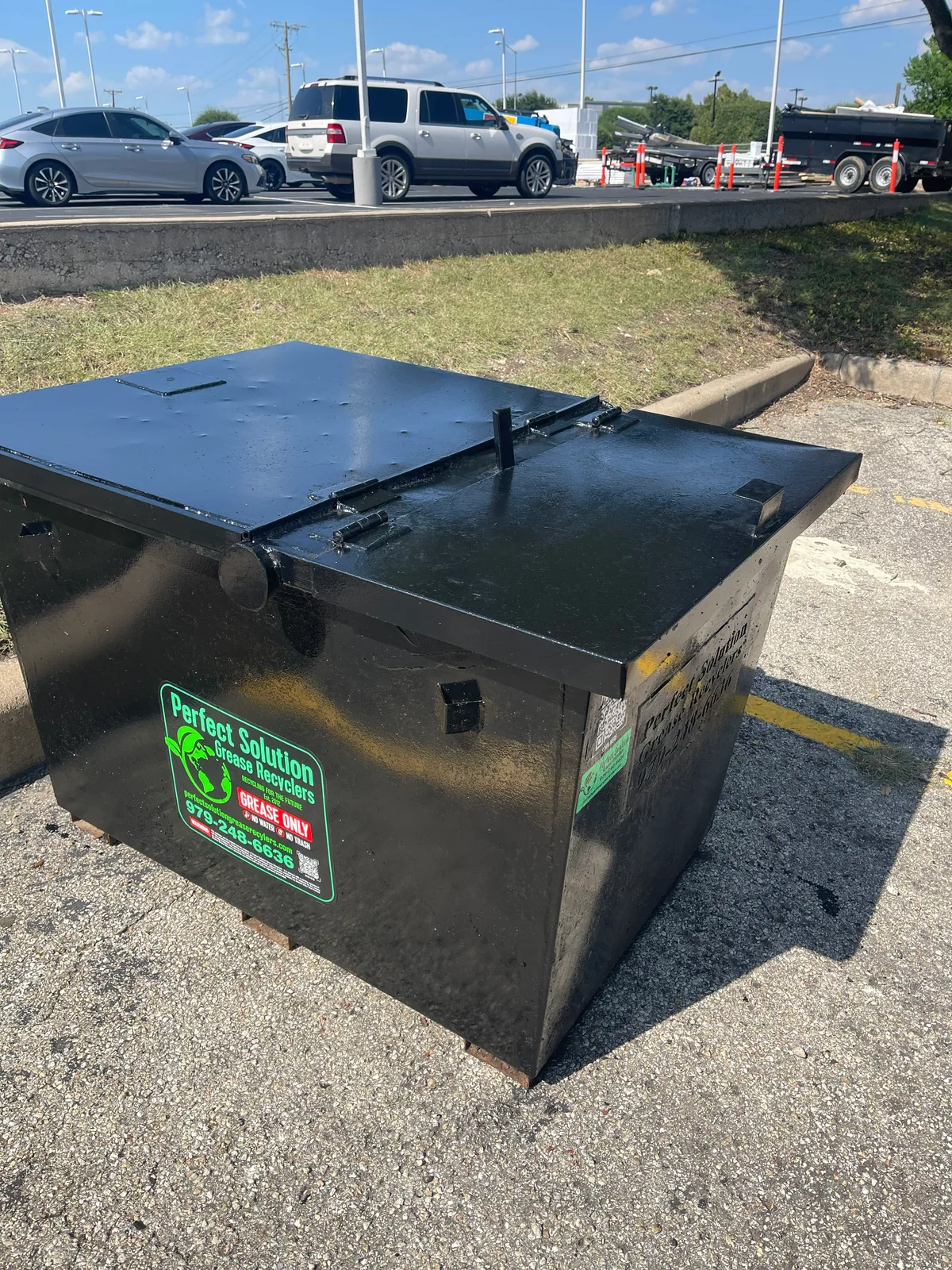
The containers are sealed to prevent spills and contamination. Your staff pours used oil into them between pickups. On pickup day, the service collects the filled containers and replaces them with clean ones. The whole process is documented for your records, which helps with compliance tracking.
This is different from dropping oil off at a local center yourself or trying to arrange disposal independently. A professional service removes that burden entirely from your operation.
How the Container Service Actually Works
When you sign up, the first step is understanding your restaurant’s oil volume. Are you a small cafe using a few gallons weekly, or a high-volume fried-chicken spot going through 50+ gallons? The service frequency gets customized around that number.
The company delivers sealed containers sized appropriately for your usage. These are typically food-grade, leak-proof tanks that sit in a designated spot in your kitchen or outside area. Your staff simply pours cooled, used oil into the container between shifts.
Pickup happens on a schedule. Small restaurants might get weekly service. Larger operations might get picked up 2-3 times per week. Perfect Solution Grease Recyclers tailors the schedule to your actual oil flow, so you’re never overstuffed or waiting weeks between pickups.
When the pickup team arrives, they exchange your full container for an empty one. The collected oil goes to a recycling facility where it’s processed for reuse or responsible disposal. You get paid based on current market rates and the volume collected.
Key Benefits for Your Restaurant
Keeps your kitchen cleaner and safer. You’re not managing large volumes of used oil in your space. No buckets sitting around, no spill risk, no grease buildup. Everything stays sealed and controlled.
Eliminates disposal headaches. No calling around for drop-off options, no making runs to waste centers, no uncertainty about whether you’re disposing responsibly. It’s handled for you.
You get paid. Instead of paying to get rid of oil, you receive payment for it. Market rates fluctuate, but you’re turning waste into income.
Compliance and documentation. Professional services provide records and documentation that prove proper disposal. If your local health department ever asks, you have proof that your oil was handled the right way. This is huge for restaurant permits and inspections.
Reliability matters. A service that shows up consistently on schedule is less stress on your operations team. You know Tuesday is pickup day. You don’t have to guess or follow up.
What Happens to Your Oil After Pickup?

Used cooking oil doesn’t just disappear. It has real value. After it’s collected, the oil gets transported to recycling or processing facilities where it’s cleaned and refined.
Common end-uses include biodiesel production, animal feed ingredients, soap manufacturing, and industrial lubricants. Some facilities focus on one use; others blend oils for multiple purposes. The point is, your oil goes somewhere productive instead of a landfill.
According to the EPA’s guidance on waste reduction, proper recycling of food service waste streams like cooking oil is a key part of responsible restaurant operations.
This is why choosing a legitimate service matters. You want a company that actually recycles or responsibly processes the oil, not one that just moves it around and dumps it elsewhere.
Getting Started with Container Service
First, calculate your weekly oil volume. Check your current fryer usage and estimate how many gallons you go through. Be honest about peak days versus slow days.
Next, find a service that covers your area. Not every region has options, but most restaurant hubs do. Ask if they deliver and install containers, confirm their pickup frequency range, and understand how payment works.
Request a service agreement that spells out pickup schedules, container sizes, payment terms, and how they handle missed pickups or emergencies. You want clarity upfront.
When the service arrives for setup, show them the best location for containers. Outside locations work well if you have space. Inside locations should be away from food prep areas and traffic zones. The container needs to be accessible for your staff to pour oil into it and accessible for pickup trucks to swap it out.
Train your kitchen staff on the process. Where does the oil go? When does it get poured in? What should they do if there’s a spill? Quick training prevents problems later.
Once pickups begin, keep records on your end too. Note dates, volumes if visible, and any issues. This gives you backup documentation and helps you spot patterns in your oil usage.
Things to Watch For
Container condition. Sealed containers should stay sealed. If lids crack or seals fail, the oil can leak during transport. Report any damage immediately.
Pickup reliability. If the service regularly misses scheduled pickups, your container fills up and creates a problem. This is a dealbreaker. Perfect Solution Grease Recyclers builds their reputation on consistent, on-time service because restaurant managers depend on it.
Fair pricing. Market rates for used cooking oil change, but your service should be transparent about what you’re earning. Ask for pricing breakdowns and compare rates across a few services if you have options.
No hidden fees. Legitimate services don’t charge you extra for containers or swaps. You’re paying for the pickup and recycling, and you’re getting paid for the oil. Make sure that’s clear before you commit.
Container Service vs. Other Disposal Methods
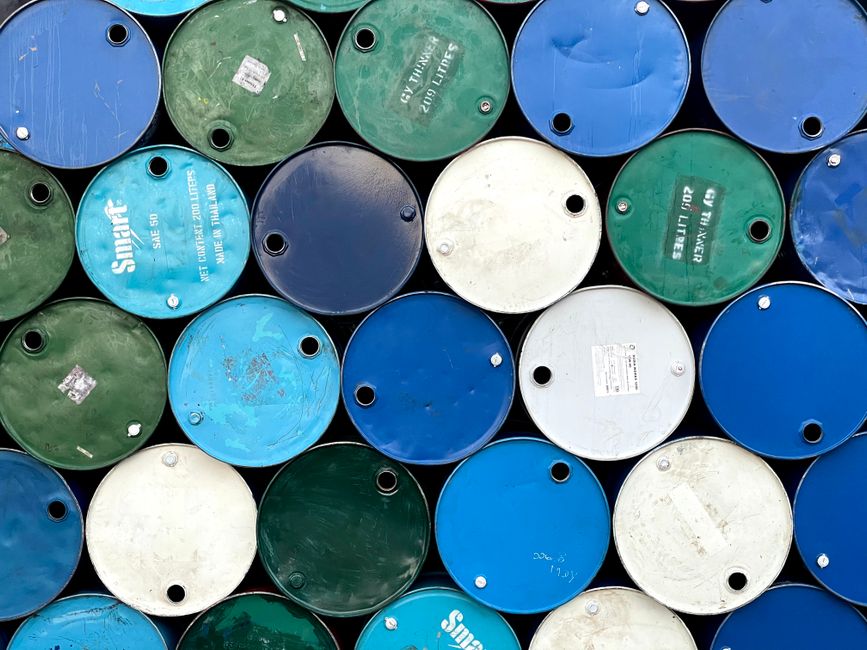
You have options. You could handle oil disposal yourself by hauling it to a local drop-off center. That works if you have time and space, but it’s labor-intensive and you don’t get paid.
You could also contact waste management companies about disposal, but many don’t specialize in cooking oil and charge fees instead of paying you. Container service from a focused recycler is usually faster, cleaner, and more profitable.
The difference comes down to convenience and value. Container service removes the work from your restaurant and puts money in your pocket.
Why Local Service Matters More Than You Think
A large corporate waste company treats every restaurant the same. They show up based on a route schedule, not your actual needs. If your oil volume spikes during summer, they might not flex pickup frequency. If you need urgent assistance, you call a phone tree.
A local service, by contrast, knows your restaurant. They understand your peak seasons, your fryer styles, and your kitchen layout. They’re responsive when you need schedule changes. If something goes wrong, you talk to an actual person who remembers your operation.
That hands-on approach is why restaurants stick with Perfect Solution Grease Recyclers across Texas. They treat each restaurant as a real partner, not a route number.
Making the Switch to Container Service
If you’ve been disposing of oil on your own or through a general waste service, switching is simple. Contact a recycling service, arrange a setup visit, and they handle the rest.
You might worry about losing any setup time or disrupting your kitchen. In reality, container installation takes minutes. You choose the location, they secure the container, they explain the process, and they leave. Your staff gets back to work immediately.
The payoff starts the first pickup. You’re no longer paying for disposal, you’re getting paid for recycling, and your kitchen is cleaner because you’re not managing used oil yourself.
Next Steps
Ready to get started? Reach out to Perfect Solution Grease Recyclers if you’re in Texas. They handle everything from container delivery to consistent pickups and fair payouts. If you’re outside Texas, search for a local used-oil recycling service with container options in your area and ask the same questions we’ve covered here.
Is my restaurant’s oil volume too small for a container service?
Probably not. Services work with restaurants of all sizes, from small breakfast spots to large chains. Weekly or even biweekly pickups are common for lower-volume operations. Ask the service what minimum volumes they work with. Most are flexible.
What if my oil has food particles or water in it?
Small amounts of food debris and moisture are normal in used cooking oil. Professional recyclers expect this and have filtering processes to handle it. Don’t pour water into your container intentionally, but minor contamination won’t disqualify your oil. Ask your service what they accept.
How much money should I expect from my used cooking oil?
Payment depends on market rates, oil quality, and volume. Rates fluctuate with crude oil prices and biodiesel demand. Your service should provide a transparent price per gallon. Most restaurants earn anywhere from a few dollars per pickup for small operations to several hundred for high-volume kitchens. Ask for sample pricing before committing.
Can I switch services if I’m unhappy with my current provider?
Yes. Most services don’t lock you into long-term contracts. If your current pickup is unreliable or pricing changes unfavorably, you can move to another service. Just give notice and confirm the handoff of containers. Your oil belongs to you until it’s picked up, so you have options.