
Learn how to schedule used cooking oil pickup in Texas. Find contact methods, what to expect, and how to get started with reliable service today.
You’ve got a storage container full of used cooking oil, and you need it picked up. The good news? Scheduling a used cooking oil pickup in Texas is straightforward, and you’ve got solid options available to you.
Most service providers handle this process the same way: you call them, give them your location and oil volume, and they schedule a time that works for your kitchen. From there, it’s hands-off. They show up, handle the collection, and typically pay you for the oil based on current market rates. The whole thing usually takes less than a week from your first contact to your first pickup appointment.
How to Schedule Your Pickup: The Basic Steps
The fastest way to get your oil picked up is to call directly. Most Texas-based used cooking oil recyclers have dedicated phone lines and dispatch teams ready to book you.
Related: Used Cooking Oil Pickup for Texas Restaurants: Complete Guide
Related: Commercial Fryer Oil Pickup in San Antonio: Complete Guide
Related: Reliable Used Fryer Oil Collection in Texas: Your Complete Guide
Here’s what the process typically looks like:
- Call the service provider and confirm they service your area
- Tell them your location and estimate how much oil you generate per week or month
- Provide details about your current storage setup
- Get offered a pickup schedule (weekly, bi-weekly, or custom frequency)
- Schedule your first appointment
Some providers also let you fill out an online request form if you prefer email contact over phone calls. Either way, expect someone to reach out within 24-48 hours to finalize your details.
What Happens During Your First Pickup
Your first appointment is usually longer than future ones because the provider wants to assess your operation and set everything up properly.
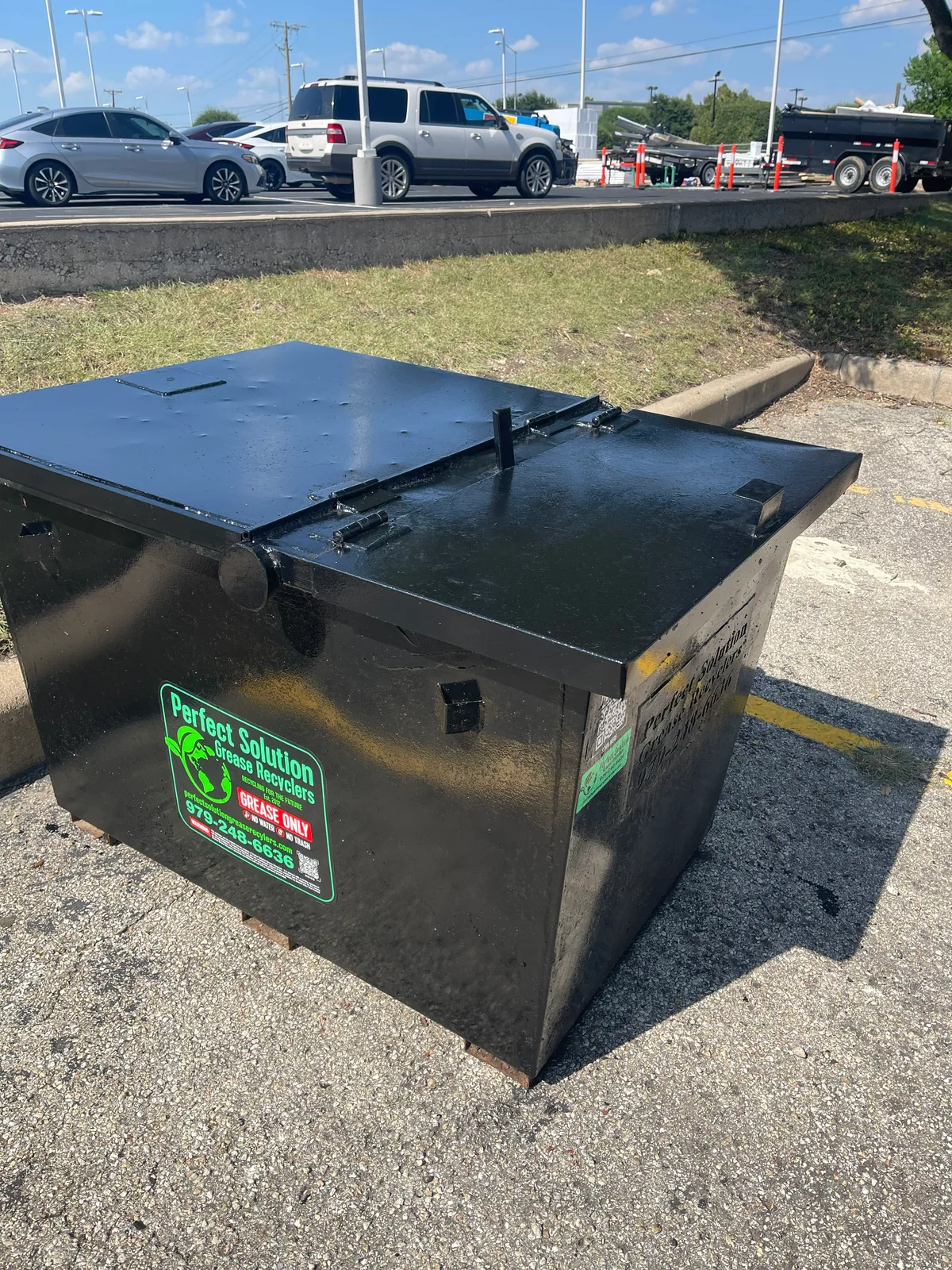
They’ll typically arrive at a scheduled time and take a look at how much oil you’re generating, where you’re storing it, and what kind of containers you’re using. If you don’t have proper storage yet, many providers offer to deliver and install a dedicated container on-site. This container is usually theirs to maintain, and they’ll manage everything from that point forward.
During pickup, they’ll empty your storage container, check the condition of the oil, and keep a record for payment purposes. Most services pay you directly based on the oil’s grade and current market rates.
Choosing the Right Pickup Schedule for Your Business
How often you need pickups depends on your kitchen’s oil output. A small restaurant might need weekly service, while a high-volume operation could need pickups two or three times per week.
When you call to schedule, be honest about your volume. The service provider will recommend a frequency that keeps your storage from overflowing while avoiding unnecessary visits. Most providers are flexible, so if your needs change seasonally or you need emergency pickups, you can usually adjust the schedule.
Some companies also offer same-day or emergency pickup services if you’re in a tight spot. It’s worth asking about when you call.
Contact Information and Service Providers Across Texas

Texas has several established providers who handle used cooking oil collection. Here are some major options serving different regions:
Related: Used Cooking Oil Pickup Schedule Options in Texas
- GreaseTex: – Serves multiple regions across Texas
- General Service Hotline: – Regional coordination
- Environmental Collection Center (Arlington area): – Thursday-Friday 11 a.m. to 7 p.m., Saturday 9 a.m. to 3 p.m.
- Regional Service: – Central Texas coverage
When you call, have your restaurant’s address and a rough estimate of your weekly oil volume ready. This speeds up the conversation and gets you scheduled faster.
Why Choose a Dedicated Oil Recycler Over General Waste Management
Here’s the honest difference: large waste management companies treat oil pickup as one line item among dozens. Dedicated oil recyclers make it their focus.
You get more reliable scheduling, faster response times, and transparent pricing. You’re also building a relationship with someone who actually knows your kitchen’s needs. If you ever need to adjust your pickup frequency or have an emergency overflow, these smaller, specialized providers are way more responsive.
Plus, you’re getting paid for your oil. With general waste services, you’re paying them. That’s a huge difference when you’re generating 50+ gallons per week.
If you’re looking for a provider that treats your business like it matters, Perfect Solution Grease Recyclers operates across Texas with a focus on personalized service and competitive payouts. They handle everything from container installation to scheduled pickups, so you’re not juggling multiple vendors.
What to Prepare Before Your First Pickup
You don’t need much to get started, but a few things help the process go smoothly.
Make sure your oil is stored safely in a designated container away from your main cooking area. It should be in a spot that’s accessible for pickup trucks (ground level or easily accessible from a loading dock). If you’re storing oil in temporary containers, let your service provider know. They’ll either provide a permanent container or advise you on proper storage.
Have your kitchen’s layout in mind so you can describe where the oil is stored. If you’ve got multiple collection points, mention that upfront. The provider can plan pickups accordingly.
Understanding Oil Quality Grades and Pricing

Not all used cooking oil is priced the same. Providers grade oil based on its condition and what it can be used for.
Clean, light-colored oil from fryers typically commands higher prices. Darker oil or oil mixed with food particles or water gets a lower grade. This doesn’t mean you won’t get paid for it, but the rate will reflect the quality.
Market rates fluctuate, so the price you’re paid today might be slightly different next month. Most providers quote you the current rate when you schedule and again when they pick up. It’s transparent, and you can ask about rates before committing to a service.
Special Considerations for Texas Locations
Texas is huge, and coverage varies by region. Urban areas like Houston, Dallas, Austin, and San Antonio have multiple providers competing for your business, which is great for pricing and service quality. Rural areas might have fewer options, so start calling early to confirm someone services your location.
Weather can also affect scheduling in Texas. During extreme heat, oil can degrade faster. Some providers adjust pickup frequency for summer months. It’s worth discussing with your service provider, especially if you’re in a hot region.
Used cooking oil is highly recyclable and can be repurposed for biodiesel production and other industrial uses. By scheduling regular pickups, you’re not just getting paid, you’re also supporting responsible recycling practices.
Getting Started: Your Next Step
Pick up the phone or fill out a contact form with your preferred provider. Have your restaurant’s address, your approximate weekly oil volume, and your preferred contact number ready. The conversation takes five minutes, and within a few days, you’ll have your first pickup scheduled.
If you’re looking for a service that combines reliability, fair pricing, and personalized attention, Perfect Solution Grease Recyclers is worth a conversation. They handle everything from container delivery to regular scheduled pickups and competitive payouts.
Frequently Asked Questions
How quickly can I get my first pickup scheduled?
Most service providers can schedule your first pickup within 3-7 days of your initial contact. If you have an emergency overflow, some offer same-day or next-day service, though this may come with a premium fee. Always ask about urgent scheduling when you call.
Do I need to provide my own storage container?
No. Most used cooking oil recyclers provide a dedicated storage container as part of their service. They deliver, install, and maintain it. Some smaller operations might ask you to use your own container, but this is less common. Clarify this when you schedule.
What if my oil volume changes seasonally?
You can adjust your pickup schedule anytime. Call your service provider and let them know. Many businesses change their frequency during busy seasons (summer for some, holidays for others). Providers are used to this and make adjustments easily.
Am I paid even if my oil quality is poor?
Yes, but at a lower rate. Providers grade oil and pay accordingly. Clean fryer oil gets the highest price. Darker or contaminated oil still has value and gets recycled, but you’ll be paid a lower per-gallon rate. It’s always worth asking what the current rates are for different grades.