
Learn how food truck operators in Texas can schedule reliable used cooking oil pickup. Find storage solutions and get paid for your oil.
Running a food truck in Texas means managing a lot of moving parts, and used cooking oil disposal shouldn’t be one of your biggest headaches. The good news is that used cooking oil pickup services are available across Texas, and they can handle your grease regularly so you can focus on what you do best: serving great food.
Here’s the reality: food trucks don’t have the luxury of built-in grease traps or dedicated storage space like brick-and-mortar restaurants do. Your oil containers pile up fast, taking up valuable space in your truck or at your commissary. Professional pickup services solve this problem by collecting your used oil on a schedule that fits your operation, and many providers even pay you for it.
Why Food Trucks Need Dedicated Used Cooking Oil Pickup
Space is everything when you’re running a mobile food operation. Every square inch of your truck is real estate, and used oil containers eat up that space quickly.
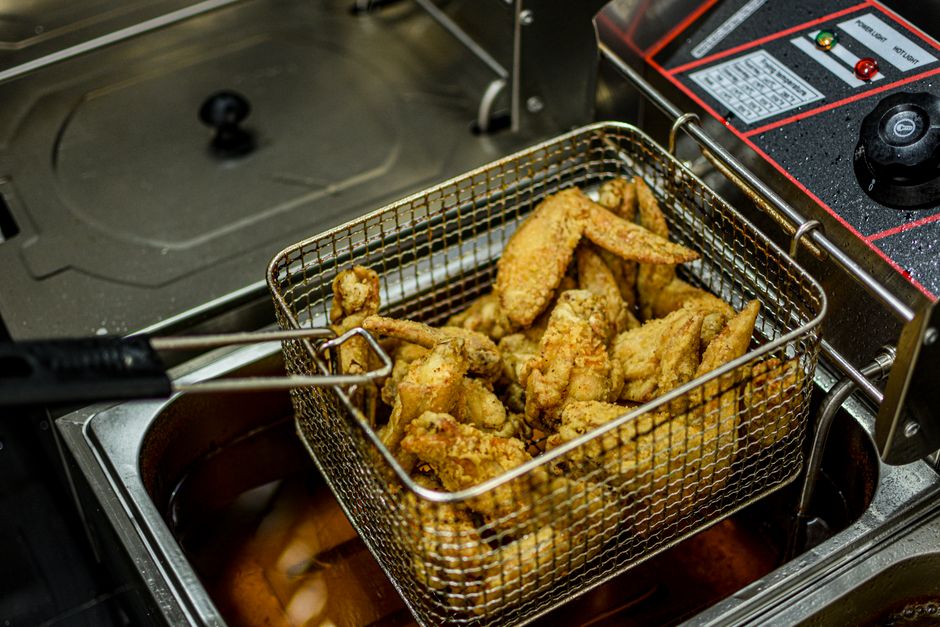
Unlike a restaurant with a grease trap system, your food truck generates used cooking oil that needs to be stored in containers until disposal. Without a regular pickup schedule, you’re either dumping oil where you shouldn’t (which creates legal and environmental problems) or running out of storage space mid-shift.
Related: Used Cooking Oil Pickup Schedule Options in Texas
Related: Used Cooking Oil Pickup for Texas Restaurants: Complete Guide
Related: Schedule a Used Cooking Oil Pickup in Texas: Your Complete Guide
Scheduled pickup services eliminate this stress. You get a dedicated container, a pickup schedule that matches your volume, and someone else handles the logistics. That’s one less thing to worry about when you’re already juggling inventory, customers, and weather.
How Used Cooking Oil Pickup Works for Food Trucks in Texas
The process is straightforward, and most providers follow a similar workflow.
First, you contact a recycling service and explain your situation: how much oil you generate per week, where your truck is based, and whether you operate from a commissary, a regular lot, or multiple locations. They’ll discuss pickup frequency and logistics with you.
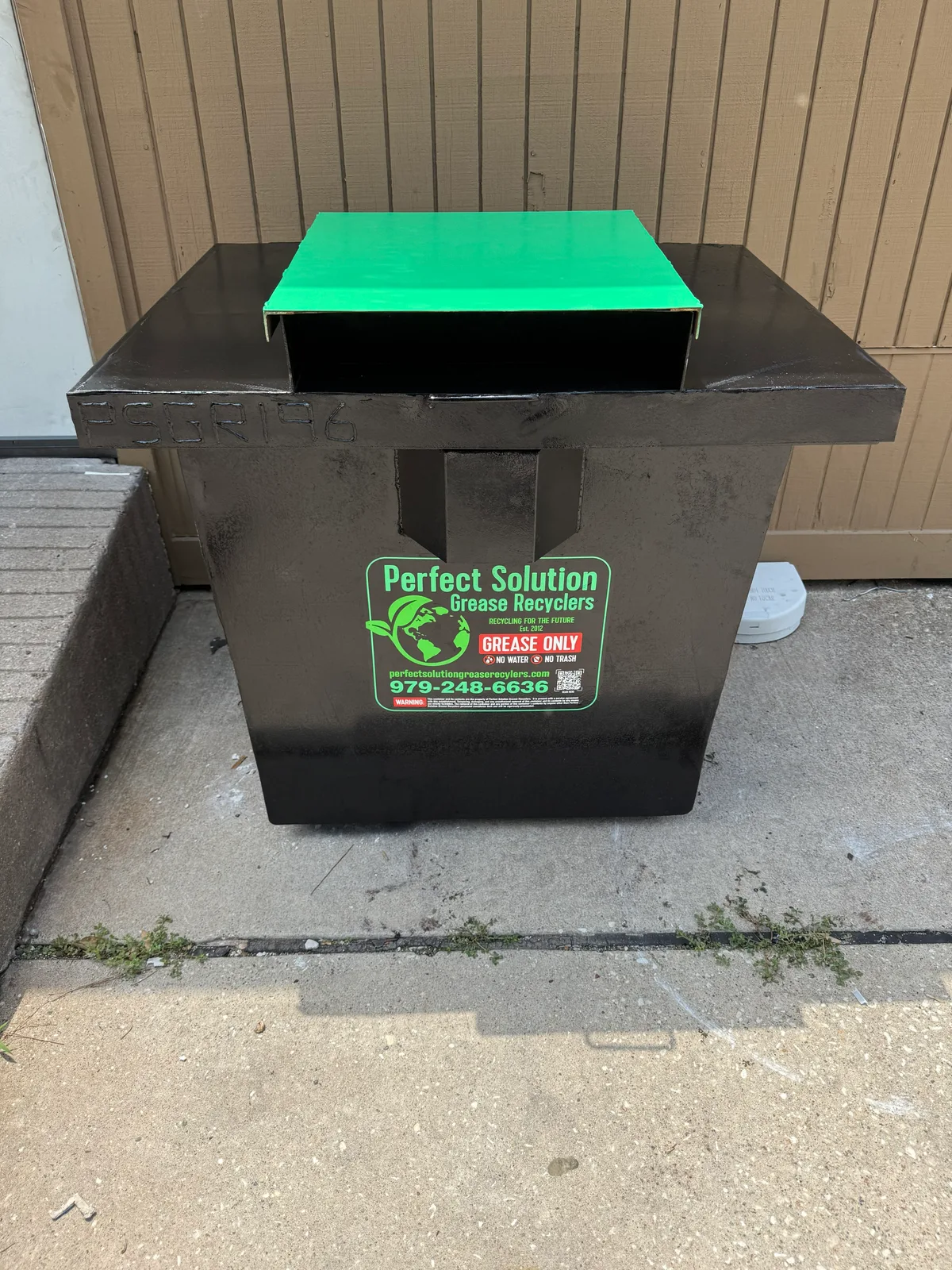
Next, they deliver and install a storage container sized to your needs. This container stays at your location (or commissary) and is designed to safely hold your used oil between pickups.
On your scheduled pickup day, a driver arrives, collects your full container, and replaces it with an empty one. You don’t have to load, haul, or dispose of anything yourself.
Many services also offer drop-off alternatives if scheduled pickups don’t work for your operation. Some food truck operators prefer to drop off their oil at a designated location when it’s convenient for them, rather than waiting for a scheduled driver.
If your food truck operates from a commissary (which is common in Texas), the pickup can often happen right there alongside your other regular maintenance and restocking.
What to Look for in a Used Cooking Oil Pickup Service
Not all grease recycling services are equal, especially when it comes to mobile food operations.
Reliability matters most. You need a provider who shows up on schedule and doesn’t leave you scrambling for backup plans. Choose a service that specializes in food truck pickups rather than general waste management.
Transparent pricing and competitive payouts for your oil are important too. Perfect Solution Grease Recyclers operates with straightforward pricing, no hidden fees, and fair market rates for the oil you provide.
Flexibility matters for a mobile business. Your schedule might shift seasonally, or you might operate from different commissaries. A good service accommodates those changes without penalties or complicated renegotiation.
Customer service is worth its weight in gold. You want to reach a real person who understands food trucks, not a call center that treats you like another account number. Look for providers with a personal touch and a reputation for reliability.
Scheduling Pickups That Fit Your Food Truck Operation

The frequency of your pickups depends entirely on how much you fry.
A food truck doing high-volume fried items might generate enough oil to need weekly pickups. A truck that does lighter frying might only need service every two weeks or monthly. Some services offer flexible scheduling that adjusts based on your actual needs, so you’re not paying for pickups you don’t require.
Commissary pickups are a game-changer for food truck fleets. Instead of scheduling pickups at multiple locations, your service provider can collect oil from all your trucks in one stop at your commissary. This saves time and coordination on your end.
Many providers also let you contact them as you fill your containers. If your oil level reaches a certain point before your scheduled pickup, you can call and request an earlier collection. This flexibility prevents overflow situations and keeps your operation running smoothly.
Storage Container Setup and Safety
Your service provider will deliver a container sized to your oil output. These containers are designed specifically for used cooking oil and meet all safety and environmental standards.
The container stays at your location between pickups. Make sure you have a designated, accessible spot for it, whether that’s behind your truck, at your commissary, or another agreed-upon location.
Proper storage of used oil matters for safety and compliance. A quality container prevents spills, keeps pests out, and protects your environment. Never dump oil into regular trash, storm drains, or waste containers. That’s not just bad practice, it’s a liability.
Your provider handles the heavy lifting. They empty the container during pickups and ensure the oil is recycled responsibly rather than becoming landfill waste.
Getting Started With Used Cooking Oil Pickup Services
Ready to stop juggling oil disposal? The first step is simple: contact a service provider and describe your operation.
Perfect Solution Grease Recyclers serves food trucks and mobile food operations across Texas. When you reach out, be ready to share details like your weekly oil volume, your primary location or commissary, and your preferred pickup frequency.
They’ll give you a clear picture of how the service works, what container size you need, and what kind of schedule makes sense for your business. From there, you’ll get a container delivered, and your regular pickups begin.
The whole setup usually takes just a week or two from initial contact to your first pickup. Most food truck operators wish they’d started sooner once they realize how much hassle it eliminates.
The Environmental and Financial Upside

Using a professional pickup service means your used oil gets recycled into new products instead of being wasted. That’s genuinely good for the environment.
You also get paid for your oil. The amount varies based on market rates and volume, but it’s a real benefit. Some operators don’t realize they’re actually sitting on a resource they can convert to cash every month.
Beyond that, you’re protecting yourself from liability. Improper oil disposal can create legal headaches. A legitimate recycling service handles all of that, and you’ve got documentation that your waste was managed responsibly.
Frequently Asked Questions
Can I use the same pickup service if I operate my food truck from multiple locations?
Most services can accommodate multiple locations, though logistics might vary. Some offer pickups at all your regular spots, while others prefer a centralized pickup at your commissary. Talk with your provider about your specific setup when you sign up.
What happens if my oil fills up faster than my scheduled pickup?
You can usually call and request an earlier pickup. Most services offer flexibility here because they’d rather collect oil more frequently than have you scrambling for overflow storage. Check with your provider about their emergency pickup options.
How much should I expect to be paid for my used cooking oil?
Payment rates fluctuate based on market conditions and the volume you provide. Instead of guessing, contact your service provider for current rates. They’ll give you an honest quote based on what they’re actually paying at the time.
Do I need special permits to have a grease recycling container at my food truck or commissary?
Requirements vary by city and county in Texas. Your pickup service can usually advise you on local regulations and help ensure everything is compliant. It’s worth asking during your initial conversation so there are no surprises later.