

What does used oil collection cost in Texas? Find out pricing factors, container options, and how restaurants actually earn money from their grease.
If you’re running a restaurant in Texas and wondering what a used oil collection service actually costs, here’s the straight answer: it depends on your volume, pickup frequency, and oil quality, but many services offer free or low-cost collection while paying you for your oil at the same time.
What Affects Used Oil Collection Service Cost in Texas
The price tag on used oil collection service cost for Texas restaurants isn’t one-size-fits-all. Several things move the needle on what you’ll actually pay (or earn).
Related: Grease Collection Service for Small Restaurants in Austin
Related: Cooking Oil Collection for Restaurants & Food Trucks: A Complete Guide
Related: Used Cooking Oil Recycling Containers for Restaurants
Related: How to Get Paid for Used Fryer Oil: A Texas Restaurant Guide
Related: Cooking Oil Recycling Service Near Me in Texas
Pickup frequency matters most. If you’re a high-volume operation that fills containers weekly, you’ll likely negotiate different terms than a smaller spot that generates oil monthly. More frequent pickups mean more coordination, but they also mean consistent, predictable service calls.
Oil quality and contamination change everything. Clean, food-grade used cooking oil is worth more and costs less to handle. Oil that’s mixed with water, food particles, or other debris falls into a contaminated category, and that requires different processing. You might see adjusted pricing if your oil doesn’t meet quality standards.
Container size and provision affect your costs. Most collection services provide containers at no extra charge, but the size you choose (typically 35 to 55 gallons) influences how often you need pickups. Smaller containers mean more frequent service calls; larger ones might reduce your per-pickup costs.
Location and distance within Texas play a role too. Urban areas with dense restaurant clustering (Houston, Dallas, Austin, San Antonio) often have lower per-pickup costs because routes are tighter. Rural or remote locations might carry a distance surcharge.
Standard Pricing Models for Restaurant Oil Pickup
Most used oil collection services in Texas work on one of two models: you pay for the service, or the company pays you for the oil.
The collection-plus-payment model is what many restaurants prefer. You get regular pickups, the company handles all the grease, and you receive payment based on the current market rate for used cooking oil. This payment varies because it’s tied to crude oil prices and biodiesel demand, so your payout might be higher in some months and lower in others. High-volume, clean-oil producers see better rates than low-volume or contaminated sources.
The no-charge collection model is also common, especially if your oil volume is modest or quality is borderline. You don’t pay for pickup, but you also don’t earn income from the oil. This works best for restaurants that just want the problem solved without tracking payments.
Some operations land somewhere in the middle: low or flat-rate per-pickup fees paired with a revenue share if your oil is high quality.
Emergency and Expedited Pickup Costs
Planned pickups are one thing, but what if your tanks fill faster than expected?
Emergency or expedited pickups command higher fees because they disrupt the company’s regular route schedule. If you need oil collected outside your normal pickup window (say, during a major holiday weekend or after an unexpected busy service), expect to pay a premium for that convenience. This is worth budgeting for if your kitchen volume is unpredictable or if you host large events.
Preventive scheduling helps. If Perfect Solution Grease Recyclers can predict your needs and plan pickups around your actual usage patterns, you avoid surprise overflow situations and the fees that come with them.
Why Professional Service Beats DIY or Informal Arrangements

Some restaurant owners think they can save money by handling used oil themselves or using informal, cash-based arrangements. In reality, professional service usually costs less when you factor in everything.
Related: How Restaurants Can Earn Money From Used Oil
Documentation and compliance. Professional collection services provide the paperwork you need for health inspections, waste tracking, and insurance. DIY or informal setups leave you exposed to questions from inspectors and potential liability if something goes wrong.
Consistency and reliability. When you have a scheduled service with a reputable company, your grease is handled on time, every time. No missed pickups, no overflowing tanks, no last-minute scrambles. That reliability is worth paying for.
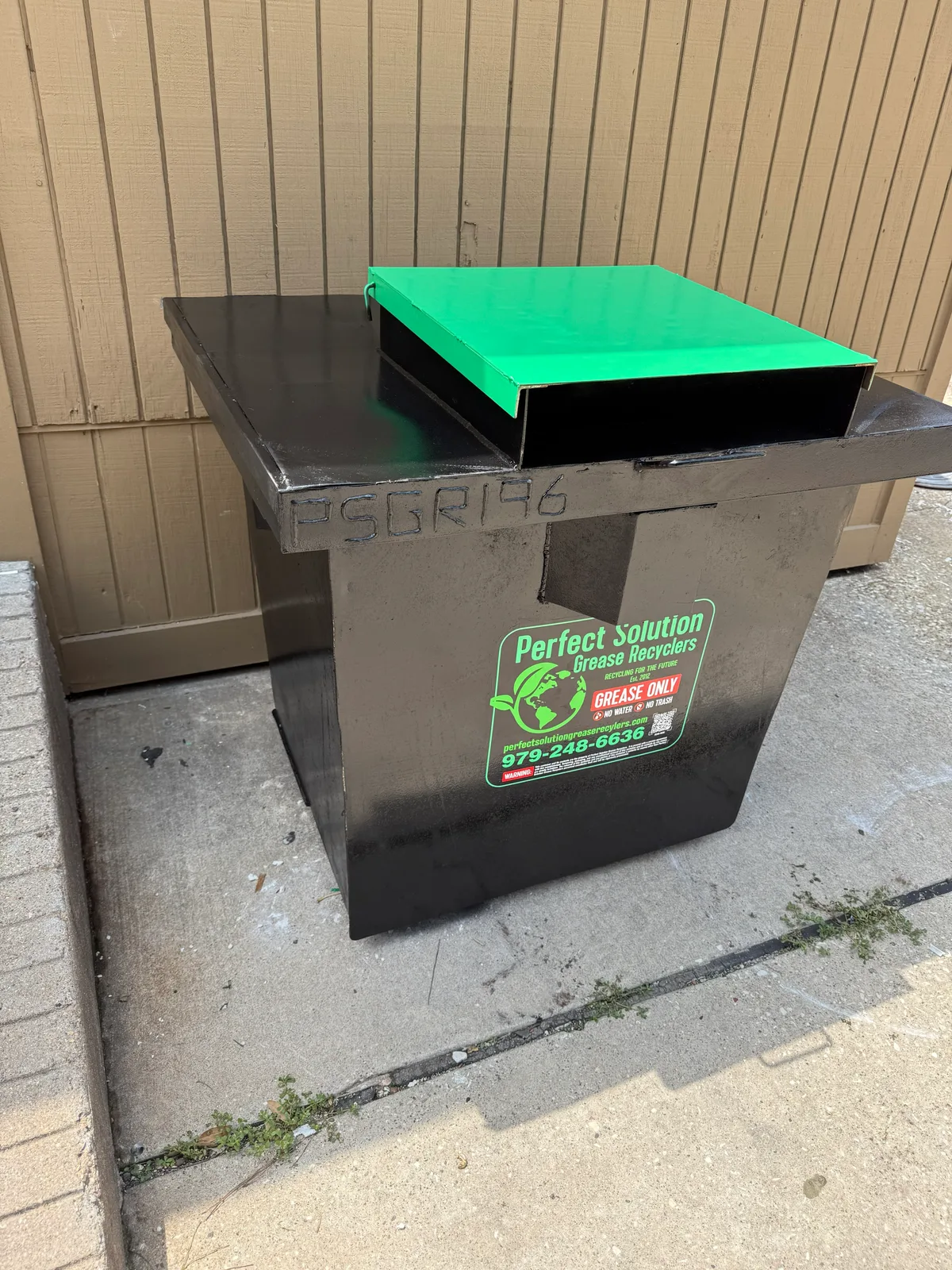
Container management. Professional services supply and maintain containers. You don’t buy them, repair them, or deal with disposal. That labor and equipment cost adds up fast if you’re handling it yourself.
Revenue potential. Most professional services pay you for your oil. Informal arrangements rarely do. Even modest monthly payments add up over a year.
How to Get an Accurate Quote for Your Restaurant
Don’t guess at your oil collection costs. Get specifics from the companies you’re considering.
Know your numbers first. Track how many gallons of used oil your kitchen generates per week. Check your current disposal method and what you’re already spending. This data lets you compare apples to apples when you talk to service providers.
Ask about the full picture. Don’t just ask, “How much?” Instead, ask:
- What’s included in your base fee?
- How often will you pick up, and is that flexible?
- What payment do I get for my oil, and how is it calculated?
- Are containers provided, and what sizes do you offer?
- What happens if my tank overflows between pickups?
- Do you charge differently for contaminated oil?
- What paperwork do I get for compliance?
Talk to local operators. Other Texas restaurants using the same service can tell you what to expect cost-wise and whether the service is reliable. Word-of-mouth from your peers beats marketing claims every time.
If you want straightforward, transparent pricing and reliable service tailored to your kitchen’s actual needs, Perfect Solution Grease Recyclers can walk you through exactly what your costs will be based on your volume and location across Texas.
Factors That Change Your Monthly Oil Collection Cost
Seasonal swings. Some restaurants see higher oil volume in certain seasons (summer barbecue season, holiday catering, winter comfort food). Peak-season pickups might increase your costs or your earnings depending on your contract structure.
Menu changes. If you add fried items or change your cooking method, your oil volume goes up. That affects your pickup schedule and cost.
Related: Used Cooking Oil Pickup Schedule Options in Texas
Related: Used Cooking Oil Pickup for Food Trucks in Texas
Staff turnover and training. New kitchen staff sometimes handle oil storage or disposal less carefully, leading to contamination or spills. That can affect your service rates and the quality of oil you’re selling.
Equipment maintenance. Well-maintained fryers and oil filtering systems produce cleaner, higher-value oil. Older equipment might leave more contaminants in your grease, reducing your payment per gallon.
Tips to Minimize Your Used Oil Collection Costs

Store oil properly. Keep used oil in clean containers, protected from water and debris. Higher-quality oil earns better payouts.
Stick to a regular schedule. Avoid emergency pickups by working with your service provider to nail down a consistent pickup rhythm that matches your actual volume. Planned service always costs less than reactive service.
Monitor your volume. If your kitchen traffic or menu changes, let your service provider know so they can adjust pickup frequency. A mismatch between your needs and the service plan wastes money.
Choose a local provider who understands Texas restaurants. A company that knows your market, your seasonality, and your kitchen’s specific needs will price more fairly and deliver better service than a national company treating you like a number.
Next Steps: Getting Started With Reliable Oil Collection
Ready to lock in costs and get predictable service? Contact a local used oil collection company and share your kitchen details: weekly oil volume, current disposal method, container space available, and your location in Texas.
A reputable service will give you a custom quote within a few days. You’ll know exactly what you’re paying (or earning) before you commit.
If you want a partner who treats your restaurant like a real customer, not just a pickup location, Perfect Solution Grease Recyclers operates across Texas and can explain your specific costs based on your kitchen’s needs.
What’s the difference between contaminated and clean used cooking oil?
Clean used cooking oil is filtered and free of food particles, water, and debris. It’s worth more on the market and costs less to process. Contaminated oil has mixed-in materials and water, which requires extra handling and processing. Collection services typically pay less for contaminated oil or may not accept it at all, depending on their processing capability. Keeping your used oil clean and dry maximizes your revenue and ensures consistent pickups.
Can I negotiate pickup frequency if my oil volume is small?
Yes. If you generate less oil than a high-volume restaurant, you can work with most collection services to set up less frequent pickups (every two weeks or monthly instead of weekly). This can lower your per-pickup costs or reduce your overall service expenses. The key is being upfront about your actual volume so the service provider can plan accordingly and offer pricing that makes sense for both of you.
Do I have to use the containers the collection service provides?
Most professional services supply containers as part of their standard offering. Using their containers is typically required because it ensures proper handling, spill prevention, and compliance with waste regulations. Containers are maintained and replaced by the service, so you don’t have to buy or repair them. This is actually a cost savings compared to buying and maintaining your own.
How does market rate affect what I’m paid for my used oil?
Your payout is tied to crude oil prices and biodiesel demand. When crude oil prices are high, biodiesel production becomes more profitable, and companies are willing to pay more for used cooking oil. When prices drop, so does your payment per gallon. You won’t get the exact same check every month, but a reliable service provider will explain how the market works and show you what rates are current.