Keep Your Kitchen Flowing When Texas Storms Hit
Storms in Texas do not wait for a slow day. They hit right in the middle of dinner rush, when fryers are full, tickets are stacked, and everyone is moving fast. When the power flickers, rain starts blowing sideways, or the alley floods, used cooking oil can quietly turn into one more headache you do not need.
Grease management is part of staying ready. In Central and South Texas, restaurants deal with heavy summer storms, hurricane season in the Gulf, and sudden flash floods that can hit in the span of a single shift. If grease is not handled well, it can create safety risks, plumbing problems, and lost income from oil that should have been recycled for cash.
A reliable grease pickup service belongs on the same list as backup lighting and food safety plans. When your grease system is storm-proof, you protect your people, your building, and your bottom line, even when the weather gets wild.
How Texas Weather Turns Grease Into a Liability
Texas weather changes fast, and each type of storm puts different pressure on your grease system.
Common weather threats that hit restaurants include:
- Heavy summer downpours that flood alleys and back lots
- Strong winds that move lids, blow debris, and knock things over
- Tropical systems that bring days of rain and standing water
- Heat waves that make odors stronger and spills harder to ignore
All of this affects outside grease containers and the paths your team uses to carry oil. When rain fills or tips used oil containers, grease can float on top of the water and spill over the sides. That makes the ground slick and messy, and it also sends oil toward drains or soil where it does not belong.
Storms can also cause:
- Waterlogged or overflowing containers
- Slick ramps, stairs, and loading docks
- Debris blocking service routes and pickup access
- Grease and water mixing and creeping into drainage lines
Those problems do not stay outside. They can become:
- Clogged pipes and emergency plumbing bills
- Code and environmental violations
- Health inspection concerns around spills and odors
- Slip and fall risks for staff, guests, and delivery drivers
What starts as “just a little rain” can turn into a safety issue, a surprise bill, and a bad impression on customers if it is not controlled.
Building a Storm-Proof Grease Handling Plan
A strong plan starts with knowing exactly how grease moves through your kitchen. Map your grease flow from fryer to pickup point. Look at:
- Where oil is filtered and cooled
- The path staff take to the container
- Any stairs, ramps, or tight corners
- The outdoor area where containers sit
Anywhere that is dark, narrow, or exposed to the weather is a weak spot in a storm. Those are the places to fix first.
Helpful daily habits include:
- Scheduling fryer filtering and oil changes during slower times and lower storm risk hours
- Keeping indoor paths clear of clutter so they stay safe, even in low light
- Training staff to handle spills quickly and safely when floors are wet or visibility is low
Physical safeguards matter just as much. For outdoor containers, focus on:
- Choosing the right size container so it does not fill too fast before pickup
- Using tight lids to keep rain and pests out
- Placing containers on level ground, away from storm drains and high traffic walking paths
- Securing containers so strong winds or flood water do not move them
- Making sure there is enough lighting for early morning or late-night service visits
A little planning ahead of time makes storms feel much less stressful.
Why You Need a Reliable Grease Pickup Service in Storm Season
When the weather is active, you need more than a hauler that shows up “most of the time.” A reliable grease pickup service plans for storms too.
A dependable partner will:
- Build flexible routes across Central and South Texas so they can adjust around storms
- Have backup trucks and drivers ready when the unexpected happens
- Communicate clearly when schedules change
- Offer fast rescheduling if a pickup is missed because of flooding or road closures
The right timing before a big storm can protect you. Regular pickups keep containers from getting close to full, so one heavy rain does not push them over the edge. That helps keep grease out of drainage systems and away from nearby soil, and it can support your efforts to follow local rules and environmental expectations.
There is also a clear money side. When used cooking oil gets picked up on time, your recycling revenue keeps flowing. You avoid last-minute cleanup costs, plumbing emergencies, and the risk of putting guests off with strong odors outside your back door. All of that helps keep your doors open and your team focused on food, not on grease problems.
How Perfect Solution Grease Recyclers Protects Texas Kitchens
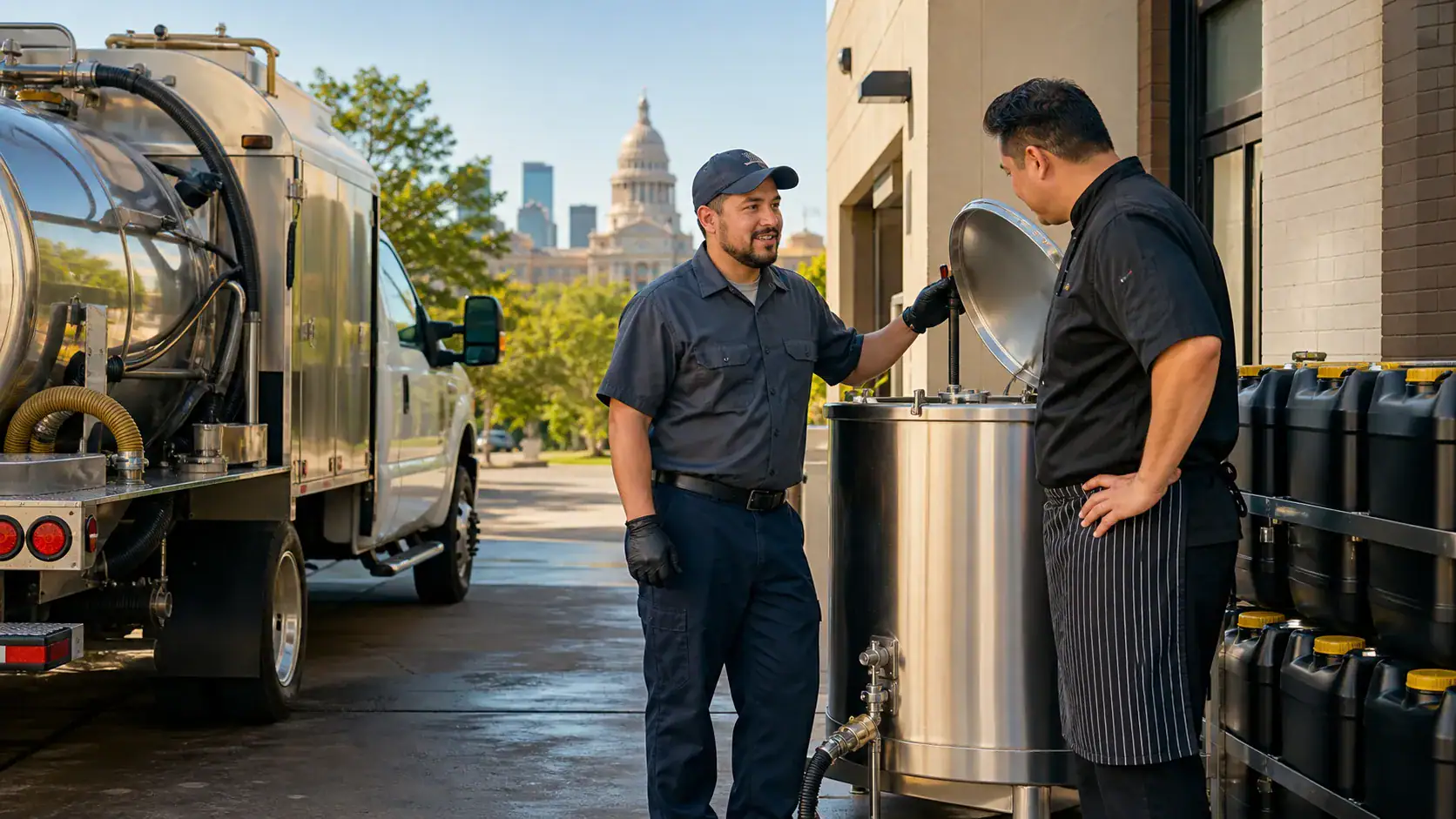
Our team at Perfect Solution Grease Recyclers focuses on used cooking oil collection for restaurants and commercial kitchens across Central and South Texas, so we live with the same storms you do. We understand how quickly a quiet afternoon can turn into a soaked parking lot.
We support kitchens with:
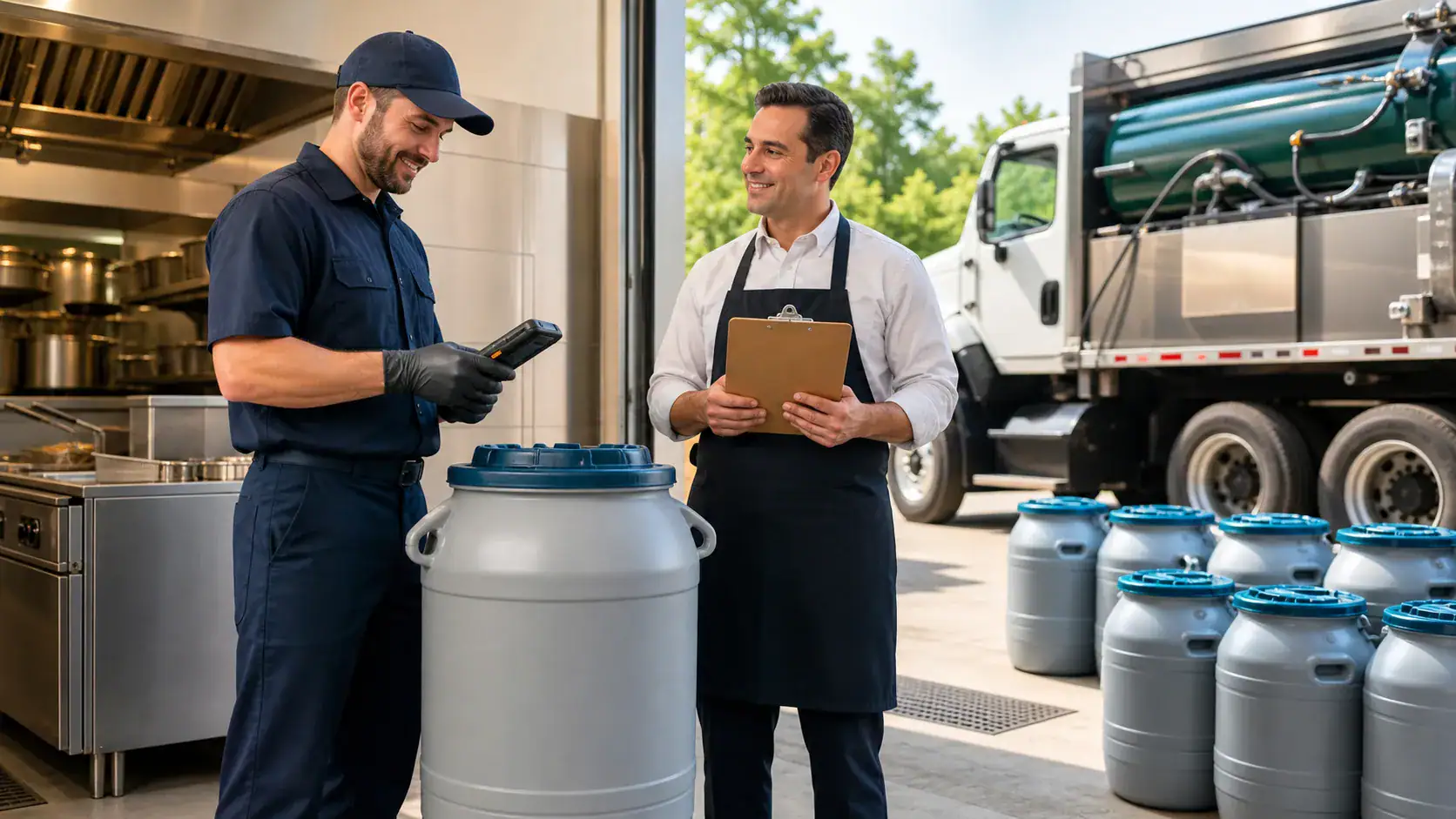
- On-site containers sized to match your volume
- Tight-fitting lids that help keep rainwater out
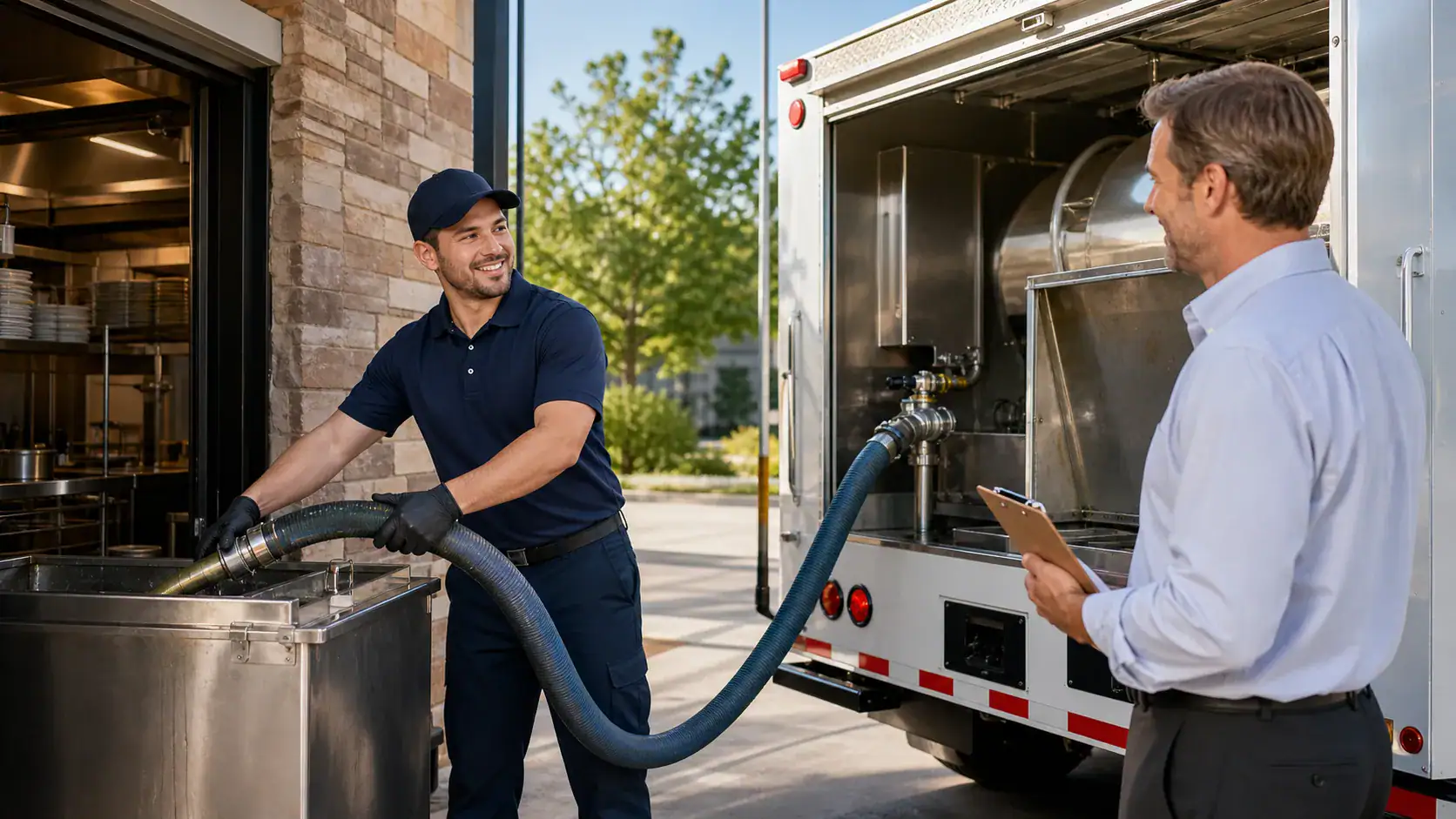
- Dependable pickup schedules that match your needs
- Cash payouts so your used oil keeps bringing value back
Our logistics are built with weather in mind. We watch forecasts, plan routes around expected rough spots, and keep backup plans ready for days when flooding or road closures change everything. When schedules need to shift, we stay in direct contact with kitchen managers so no one is wondering what is going on.
Clean, maintained collection areas help you stay ready for inspections. When containers are in good shape and spills are kept to a minimum, it shows that your team takes grease management seriously. We support that with reliable service and clear records of your used oil pickups so you can show that you work with a professional grease recycler.
Seasonal Checklist to Storm-Proof Your Grease Management
Late summer lines up busy dining rooms with peak storm activity, especially near the Gulf. It is the perfect time to walk through a quick grease readiness checklist.
Check your equipment:
- Look over containers for damaged lids, loose fittings, or cracks
- Confirm containers are on level, secure ground away from drains
- Walk access routes after a rain to spot puddles, slick spots, or debris
- Make sure lighting works along the path and near containers
Review your procedures:
- Update staff training on what to do if containers are full before a predicted storm
- Make it clear who contacts your grease hauler if service is delayed
- Keep a simple log of any spills or grease-related issues so patterns are easy to see
Then, look at your schedule. Peak seasons, special events, and menu changes all affect how much oil you use. Adjust pickup frequency around:
- Your busiest days of the week
- Seasonal menu items that require more frying
- Times of year when storms are more likely
You do not want containers near full just as a line of storms appears on the radar.
Turn Texas Storm Season Into a Grease Management Advantage
When you treat grease as part of your storm plan instead of an afterthought, your whole operation gets stronger. Staff stay safer, inspections feel less stressful, and your used cooking oil continues to turn into steady recycling income, even when rain is pounding on the roof.
Storms are part of life in Central and South Texas. The question is not if they will come, but whether your kitchen is ready when they do. With a clear plan, secure containers, trained staff, and a reliable grease pickup service that understands local weather and restaurant needs, storm season can be one more thing you handle with confidence instead of one more thing keeping you up at night.
Keep Your Kitchen Running With Hassle-Free Grease Pickup
If you are ready to streamline your kitchen operations and stay compliant, our team at Perfect Solution Grease Recyclers is here to help. Schedule our reliable grease pickup service so you can focus on running your business while we handle safe, responsible collection and recycling. Have questions or need a custom schedule? Simply contact us and we will work with you to set up a pickup plan that fits your needs.