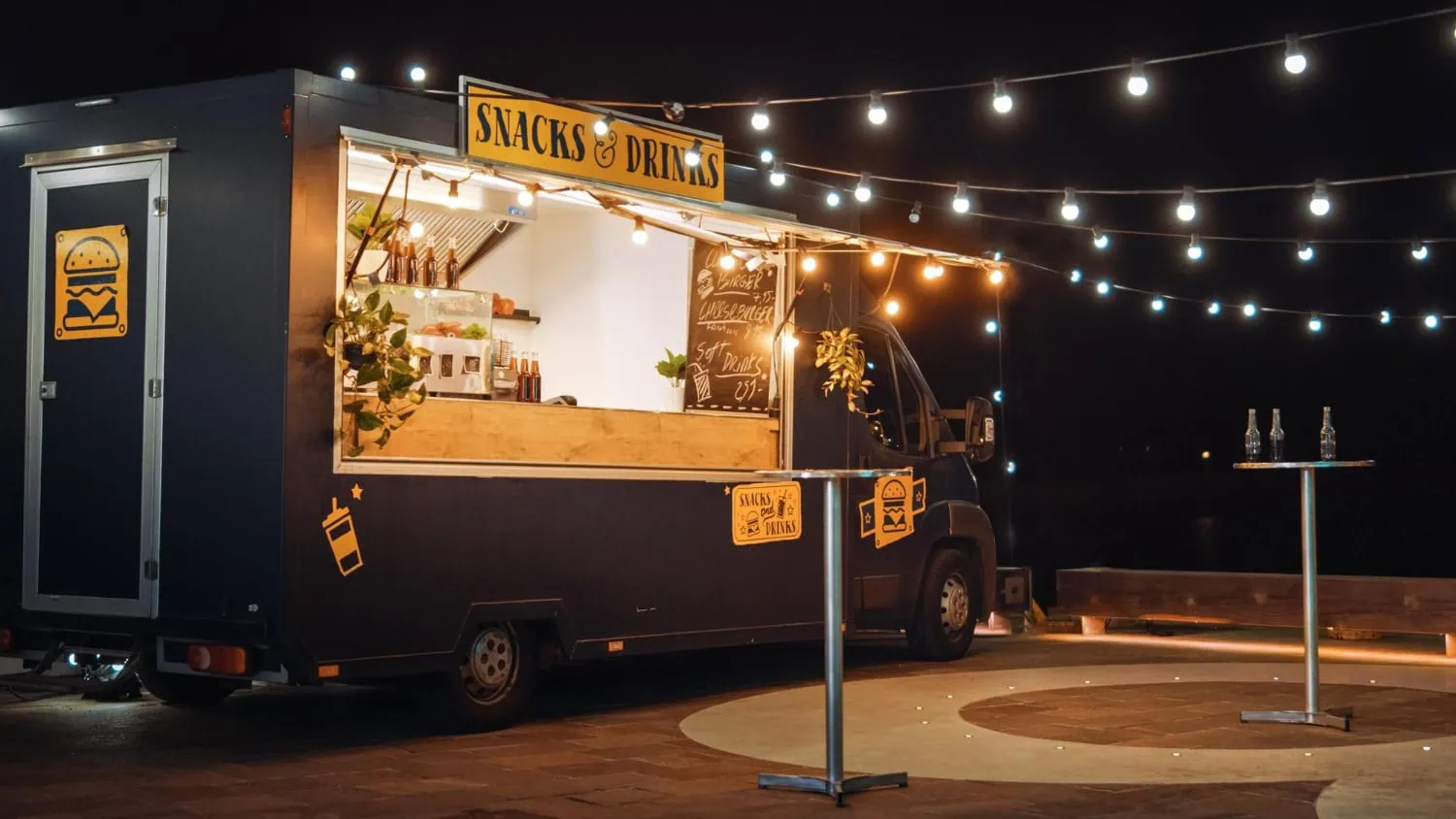
A missed food truck grease pickup in Texas does not just smell bad; it can shut down your line, annoy event organizers, and even trigger a fine. For mobile kitchens working long days at fairs, markets, and lunch spots, used cooking oil is not a side issue, it is part of staying open and making money.
In our work with food trucks across Central and South Texas, we see the same problems repeat: last-minute scrambles to dump oil, mysterious leaks under the truck, and confusion about local rules. Here is what many operators overlook about food truck grease pickup, and how a better plan can protect your uptime, your permits, and your profits.
The Hidden Costs of Food Truck Grease Pickup
On a packed summer weekend, a food truck might run full speed from lunch service to a night market. Sales are strong, the line is wrapped around the truck, and staff is in a good rhythm. Then the grease container fills earlier than expected, the planned pickup is missed, and things start to go wrong. Smells get stronger, drains slow down, and a city inspector walking by does not like what they see near your truck.
Many mobile owners think of grease as something they deal with at the end of the night. In Texas, that mindset gets risky. The heat, long hours, and heavy fry use turn small grease issues into big operational problems.
Some hidden costs when grease is an afterthought include:
- Lost service time when a clog or overflow forces you to pause
- Extra cleanup and staff stress after long shifts
- Unwanted attention from inspectors at events and commissaries
- Missed chances to earn money from used cooking oil
In the sections below, we will walk through scheduling blind spots, Texas rules, heat-related issues, payout opportunities, and how the right recycling partner can simplify it all.
Why Grease Pickup Matters More for Food Trucks
Food trucks carry less and move more. That changes everything about how you handle used oil.
Space and storage are tight. On many trucks, there is:
- Limited undercarriage or onboard tank capacity
- Only a small corner for sealed containers
- No room for backup buckets if service runs long
When a scheduled food truck grease pickup gets delayed, you do not have an extra tank in the back. Overflow can drip onto pavement, create slick patches near your service window, and leave stains that event organizers do not appreciate.
Grease problems also hit your reputation. Customers standing in line do not ignore:
- Strong fryer or rancid odors floating around your window
- Visible spills near the trash and condiment area
- Staff struggling with clogged sinks or drains
If you have to shut down during a festival because grease backed up, people will talk about it online. For a small business, a few bad reviews tied to smell or mess can sting.
There is also a safety side. In a tight kitchen, hot oil stored the wrong way means more fire risk. Extra open containers near fryers, generators, or propane lines can make fire marshals nervous during inspections at events or commissary lots.
Overlooked Texas Rules That Can Get You Fined
Texas cities and counties pay close attention to grease and wastewater, and that includes mobile units. While details vary from place to place, many areas around Central and South Texas have rules about:
- How and where used cooking oil can be stored and drained
- Keeping grease away from storm drains and public areas
- Working only with approved or licensed haulers
Food trucks often work out of commissaries or shared kitchens. In many setups, your permits require you to dump used oil only at approved locations, not in random drains or trash. Trying to DIY disposal or handing oil to someone who is not allowed to haul it can lead to fines or permit trouble.
Officials may also ask for proof that you handle grease the right way. Health inspectors and wastewater staff can request:
- Service logs from your grease recycler
- Evidence of regular food truck grease pickup
- Records that show where your oil is going
When your grease partner keeps consistent records and follows local rules, inspections tend to go smoother, and surprise penalties are less likely.
How Texas Heat Supercharges Grease Problems
Texas heat does not give food trucks a break. Long daylight hours, strong sun, and busy summer events all put extra pressure on your grease system.
High temperatures speed up how fast used oil breaks down. That means:
- Stronger, sour odors around your truck
- More attraction for flies and other pests
- Sticky residue on lids, handles, and nearby surfaces
Hot oil also gets thinner, so it finds every weak point. Seals that seem fine in mild weather can leak when the oil is hot and sloshing around during transport. That leads to:
- Slippery spots near generators, entry doors, or customer lines
- Risk of slips for staff and guests
- Extra cleanup before you even fire up the fryers
Event days add another layer. At fairs, rodeos, concerts, and big markets, you might run fryers almost nonstop. Turnover is faster, and your used oil containers fill much sooner than on a regular weekday lunch route. Food trucks that only plan one food truck grease pickup each week often find themselves stuck with nowhere to safely put that last batch of hot oil.
Leaving Money on the Table With Used Cooking Oil
Used cooking oil is not just waste. When it is collected by a professional recycler, it can be turned into useful products, and that value can flow back to your business as payouts.
Many food trucks miss out because they:
- Accept “free pickup” and never ask about rebates
- Do not compare payout structures over time
- Go too long between pickups and let containers overfill
When containers are too full, spills are more likely. Spills lead to wasted oil, which means less volume counted toward your payouts, and more time spent cleaning instead of serving.
The partner you choose affects how much value you see. A company that understands mobile operations can help you:
- Set a pickup schedule that matches your actual fry volume
- Keep containers at safer levels for both staff and inspectors
- Get clear information about how your oil is collected and credited
That way, every gallon that leaves your truck is working for you, not just taking up space in the back.
Choosing a Grease Recycler That Fits Mobile Operations
Food trucks move, change events, and add routes. Your grease recycler should be ready for that rhythm.
For mobile kitchens, helpful traits in a partner include:
- Flexible scheduling that can shift with event seasons
- Comfort working with festival grounds, commissary lots, and street spots
- On-time service during tight windows between lunch and evening service
Equipment also matters. The right containers and setup can make daily life far easier. Look for help with:
- Container sizes that actually fit your truck or storage area
- Secure lids that hold up in Texas heat and during travel
- Simple transfer methods from onboard tanks to storage containers
Service area and response speed are another piece. A recycler that covers Central and South Texas and understands local routes can provide consistent pickup across multiple trucks or locations. Clear communication when you move to a new event, join a different market, or add another unit keeps surprises low.
Turning Grease Headaches Into a Summer Advantage
Grease does not have to be the part of the job you dread. With the right plan, it can support your uptime, protect you during inspections, and even bring in extra income.
The biggest missed opportunities we see with food truck grease pickup are:
- Compliance risk from casual or DIY disposal
- Downtime from clogs, leaks, and bad smells during peak sales
- Extra safety risk in hot weather and tight spaces
- Unclaimed payouts from oil that could be recycled for value
A simple way to get ahead is to review how you handle grease now. You can:
- Walk through your current process from fryer to final pickup
- Confirm local rules in the cities and counties where you operate
- Adjust pickup frequency for busy summer months and big events
- Compare how different providers handle payouts, scheduling, and records
At Perfect Solution Grease Recyclers, we focus on dependable used cooking oil collection and competitive payouts for restaurants, food trucks, and commercial kitchens across Central and South Texas. With a plan built around your routes and events, grease stops being a problem in the background and starts working as part of a smoother, safer, more profitable operation.
Keep Your Food Truck Running Clean And Compliant
Reliable grease management should never slow down your schedule, and that is exactly what our food truck grease pickup service is built to prevent. At Perfect Solution Grease Recyclers, we handle collection and recycling so you can stay focused on serving your customers. Reach out today and let us design a pickup schedule that fits your routes and volume. Have questions or need a quote right away? Just contact us and we will respond promptly.