Turn Your Cooking Oil Pickup Schedule Into Profit
Used cooking oil is not just something to get rid of. For a busy restaurant or commercial kitchen, it can feel like a small but steady paycheck that keeps showing up when you set things up the right way. A smart cooking oil pickup schedule helps you keep that money flowing while keeping your staff safe and your back-of-house running smoothly.
Fall in Central and South Texas means football watch parties, tailgates, festivals, and plenty of holiday dining. All of that usually means more fried food, more oil going through your fryers, and more used oil filling your containers. If your schedule is off, you end up with rushed calls, messy spills, and missed rebate opportunities. When it is dialed in, you turn used oil into a simple, repeat revenue stream.
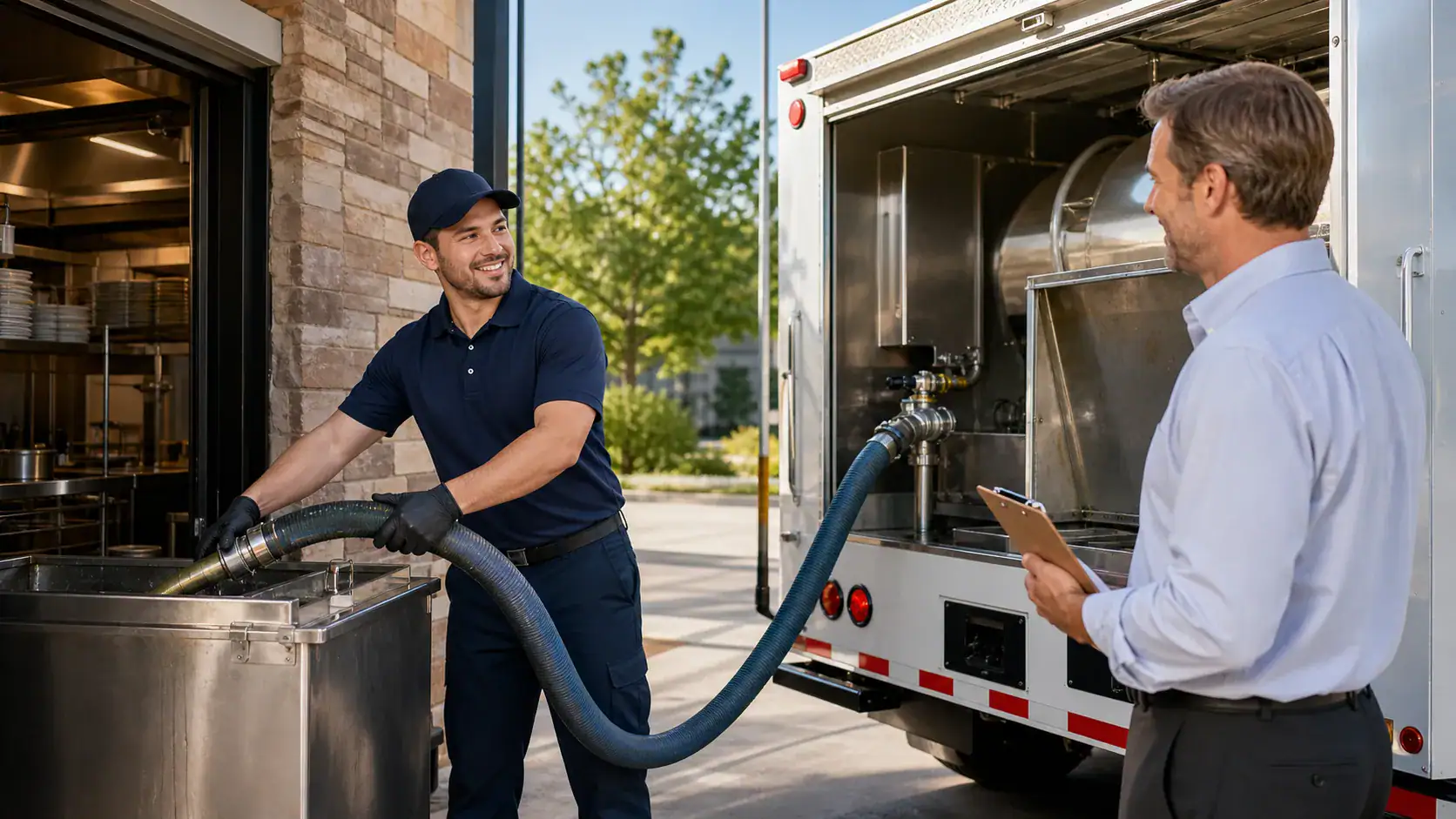
We work with kitchens across our area to match cooking oil pickups to real-world demand on the line. With a little planning, your schedule can support busy service, protect your staff, and help you get the most from every gallon you pour into that container instead of the trash.
How Your Operation Impacts Oil Pickup Timing
Your cooking oil pickup schedule should match how your kitchen actually cooks. A quiet café and a fryer-heavy sports bar should never have the same plan. Start by looking at how you use your fryers day to day.
A few key factors shape your ideal pickup timing:
- Cuisine type, especially how much you fry
- Average guest volume, including takeout and delivery
- Number and size of fryers
- Daily hours of operation
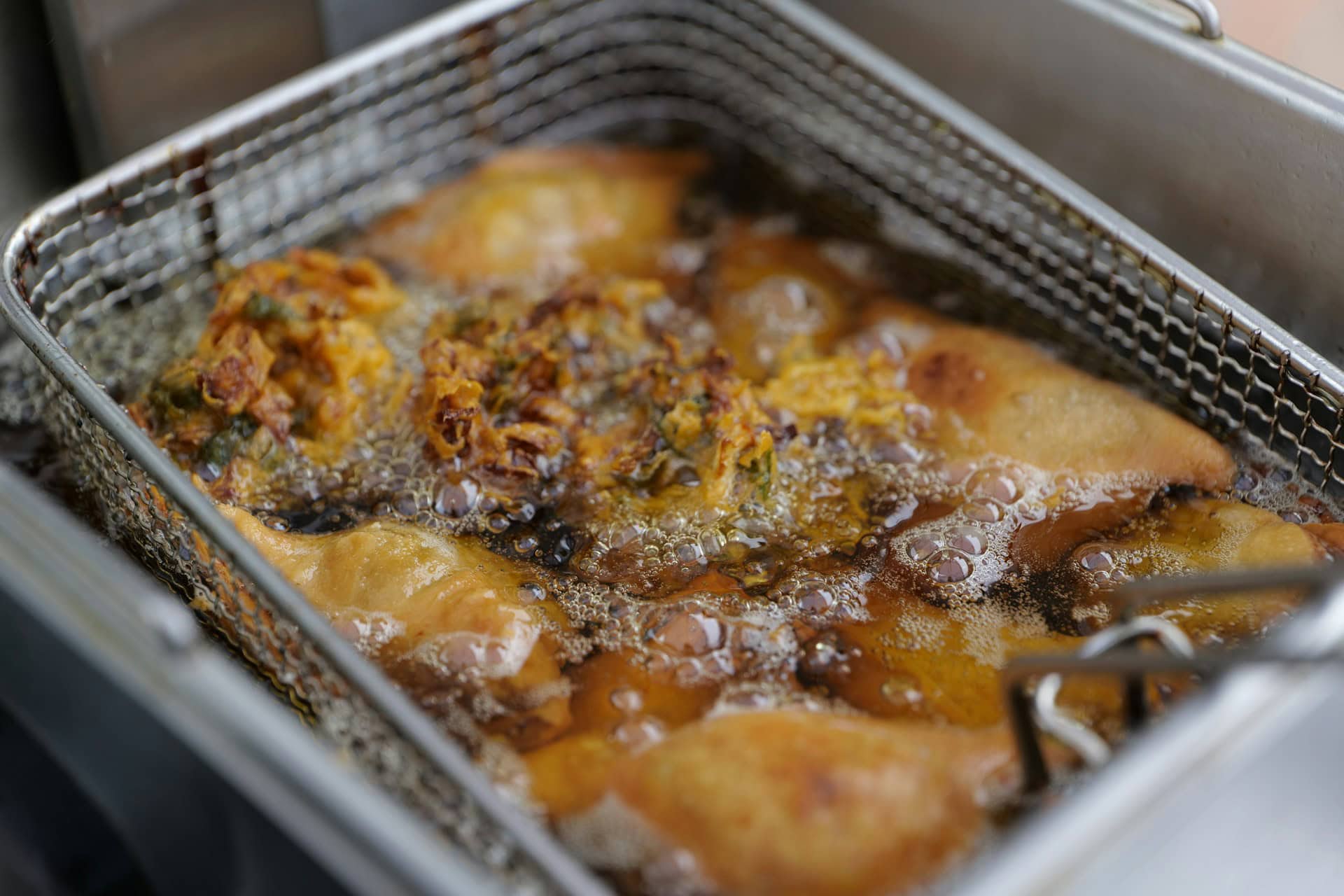
If most of your menu goes through the fryer, your tank fills faster and your oil wears out sooner. A grill-focused kitchen usually goes through less oil but can still have spikes during events or catering. The longer you are open each day, the more those gallons add up.
In Texas, the calendar also matters. Things like:
- Friday night lights and weekend games
- College football watch crowds
- Local festivals and fairs
- Corporate events and holiday parties
all push more guests through your doors. That often means more wings, fries, appetizers, and fried specials that send your used oil volume jumping up. Your schedule should flex with these patterns instead of staying locked into a slow-season rhythm all year.
A simple way to check if your current timing makes sense is to track a few numbers for a month or two:
- Gallons of fresh oil you bring in each week
- Which days your fryers work the hardest
- How full your container looks at the end of each week
With those notes, it is easier to see if pickups are happening too often, not often enough, or right on time.
Spotting the Signs You Need a Better Schedule
Your kitchen usually tells you when the schedule is off. The trick is noticing the signs before they turn into a headache or a safety problem.
Watch for red flags like:
- Containers that are often near full or overflowing
- Frequent last-minute calls to add an extra pickup
- Strong oil or rancid smells near the dumpster or back door
- Staff asking where to put oil because the container looks full
Each of these hints at hidden costs. Overflow or rushed transfers can mean:
- Overtime to clean up spills and grease tracks
- Extra janitorial supplies and labor
- Slip-and-fall risks in the back area
- Pests drawn to greasy surfaces
- Fire risk if staff push fryers harder to delay oil changes
If your team is constantly working around a too-small or always-full container, or if they are nervous about where to pour hot oil, your schedule and setup are out of line with real-life usage. That mismatch usually means lost rebate dollars too, since oil that ends up in the trash or on the floor never makes it into the container you are paid on.
Aligning Pickup Frequency with Maximum Rebates
The goal is simple: collect as much used cooking oil as safely possible per pickup, without ever letting containers hit the danger zone. When you plan for fuller, well-timed pickups, you usually end up with better overall value than a bunch of small, half-empty visits.
You do not need a complicated formula. Just look at:
- Average gallons of used oil you generate per week
- The capacity of your on-site container
- How close to full it gets before each pickup
A helpful rule of thumb is to schedule pickups before you hit capacity, but after you have gathered a solid, profitable volume of oil. If your container is always only a quarter full at pickup, you may be leaving money on the table. If it is near the top every single time, you might be cutting it too close.
Think about two common setups:
- A sports bar with several fryers during football season might ramp up to larger containers and more frequent pickups on game weekends. The goal is to keep up with all that fried food volume while making sure each pickup gathers a strong load of oil.
- A smaller café with one or two fryers may be better off with a slightly bigger container and fewer pickups, timed after their busiest breakfast or brunch days. That way, they hit a nice full level each visit without feeling squeezed for space.
When your schedule fits your reality like this, you keep operations smooth and your rebate checks more consistent.
Optimizing Containers, Storage, and Staff Routines
Even the best schedule will struggle if your container setup is working against your team. The right container size, type, and location set your staff up for safe, simple habits that feed your rebates instead of your headaches.
Think through:
- Container size that matches your volume and growth plans
- A style that works with how your staff carry or pump oil
- A spot that is easy to reach but safely away from guest areas
Smart storage and layout can look like:
- Placing containers close to the kitchen exit to cut long walks with hot oil
- Keeping a clear, non-slip path for staff to move safely
- Making sure lids can close fully to help control odors and pests
- Marking a simple fill line so everyone knows when it is getting close
Staff training does not have to be complicated. Short, clear routines go a long way:
- Who empties fryers and when
- How to transfer oil safely without splashing
- Where to record dates or quick fill notes
- Who alerts management when the container is nearing the fill line
When your team has clear steps and your recycler gets real feedback, schedule adjustments come from facts, not guesses.
Partnering with a Recycler That Pays You Back
Your recycling partner should make all of this easier, not harder. A good fit means you can adjust as your business grows, seasons change, or your concept shifts.
Things to look for include:
- Clear, understandable rebate structures
- Reliable route coverage for your area
- Flexibility to change pickup timing as your volume changes
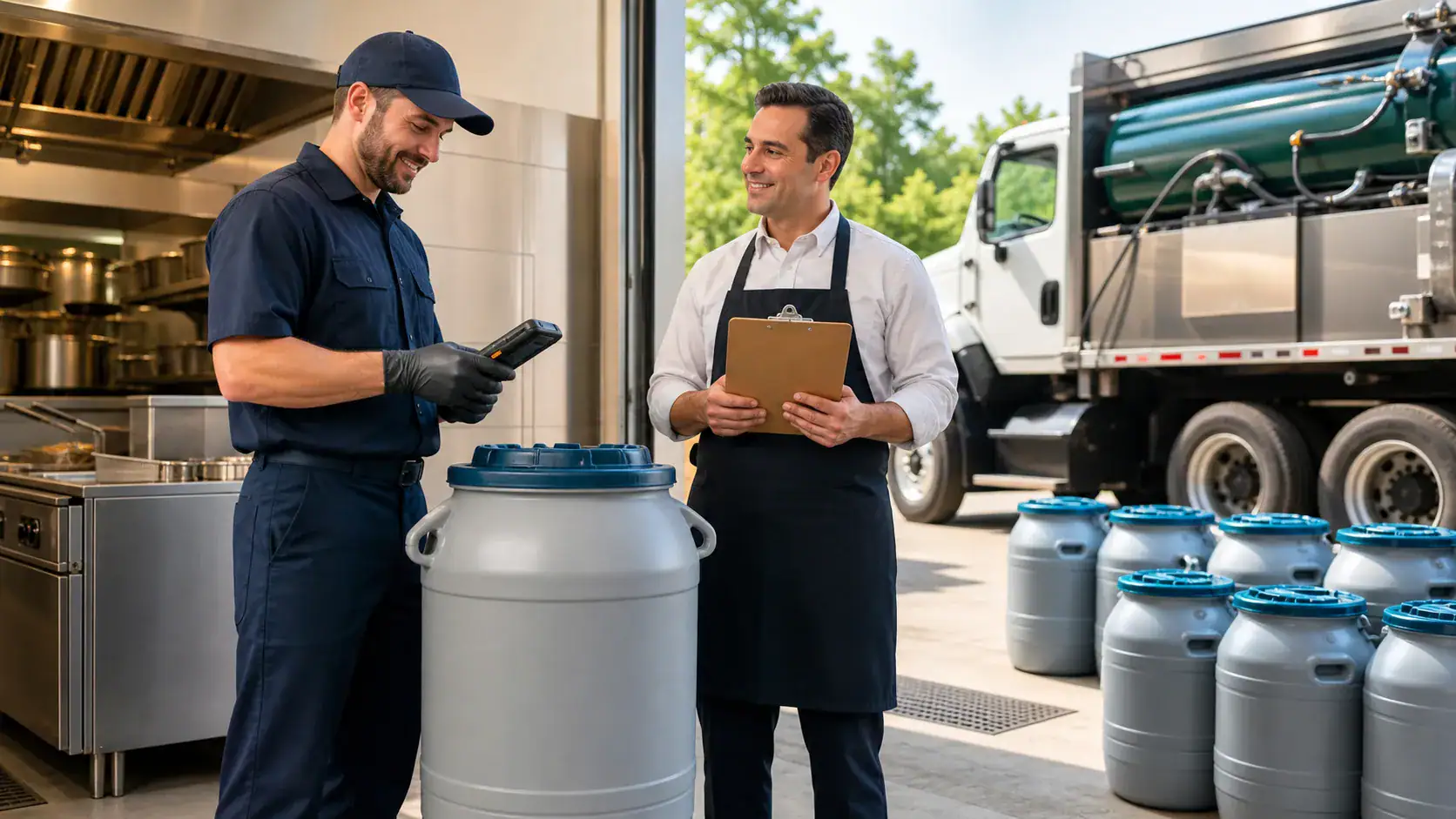
- Containers provided on-site so you are not scrambling for equipment
- Knowledge of local rules and best practices
Perfect Solution Grease Recyclers works with restaurants and commercial kitchens across Central and South Texas to keep used cooking oil moving out of the kitchen and into the recycling stream. Our focus is on dependable collection, flexible scheduling, and competitive payouts, with containers placed at your site so you have what you need from day one.
When you treat your recycler as a planning partner, not just a service vendor, your cooking oil pickup schedule becomes part of your business strategy. Sharing your event calendar, football weekends, and expected busy periods helps shape a pickup plan that supports smooth operations and stronger rebate checks through the fall rush and beyond.
Streamline Your Kitchen With Reliable Oil Pickup
Take the hassle out of used oil management by setting up a consistent cooking oil pickup schedule tailored to your kitchen’s volume and hours. At Perfect Solution Grease Recyclers, we work around your operations so collections are clean, safe, and on time. Reach out today through our contact page so we can review your needs and recommend the right plan.