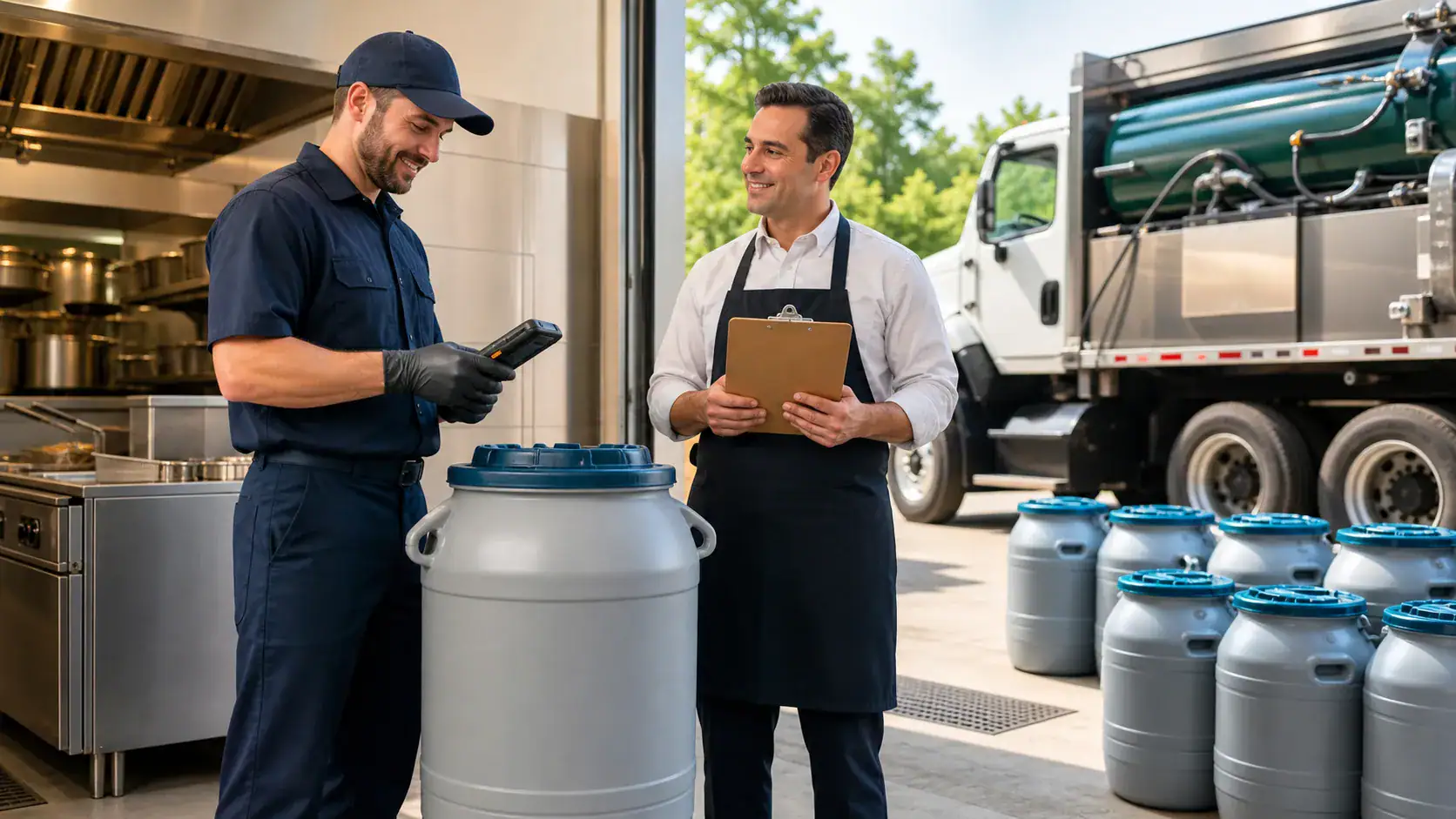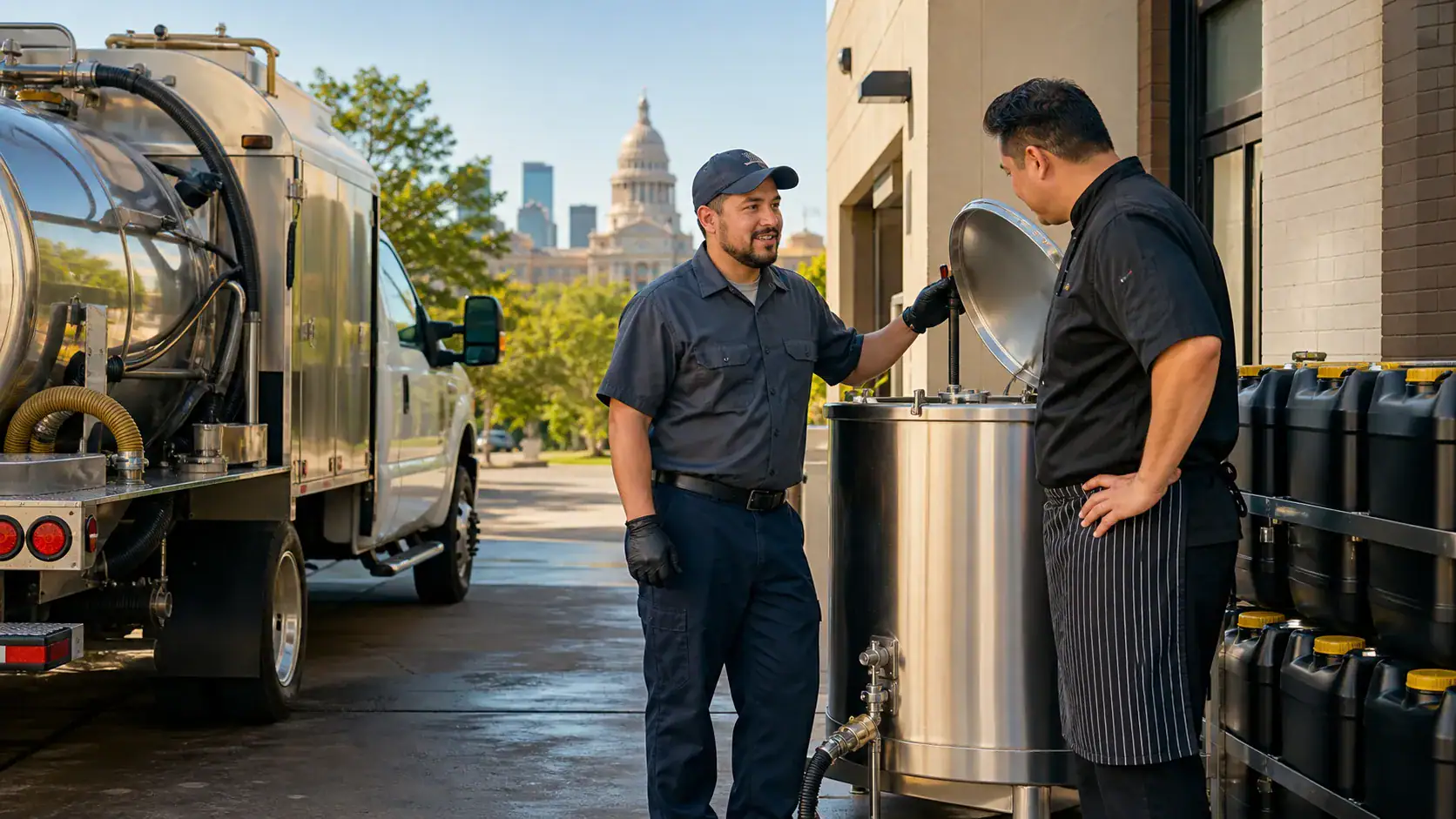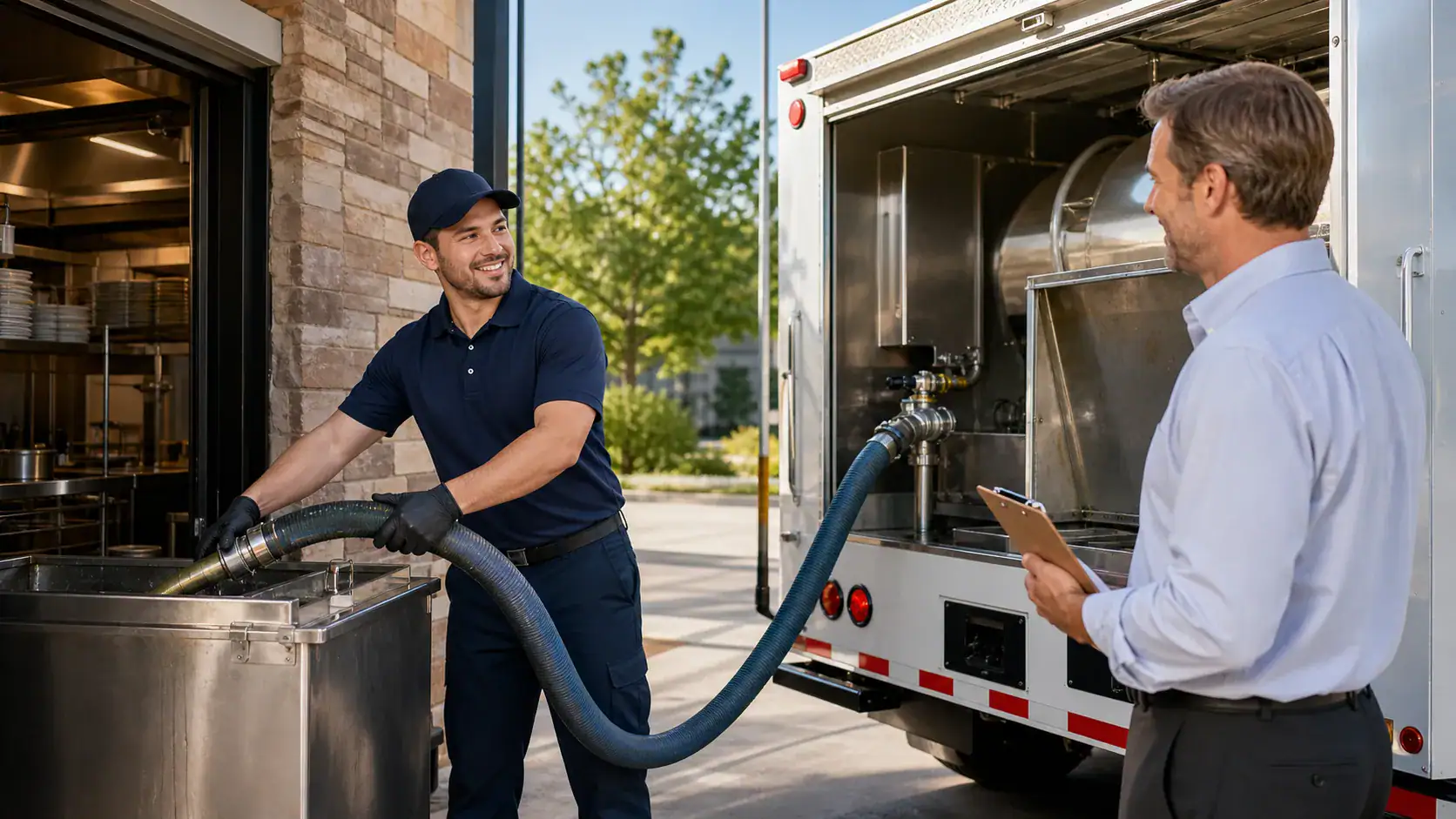
A smooth grease pickup keeps a busy restaurant moving. When used oil containers are full or a truck shows up late, it can throw off prep, slow down dishwashing, and crowd the back door right when guests are lining up. During spring and early summer in Central and South Texas, when patios are full and tourists are in town, a missed pickup can turn into a real headache fast.
New tools are changing how commercial cooking oil pickup works. Simple sensors, remote tank monitoring, and smart dispatch software turn old guessing games into clear, predictable service. Restaurants and commercial kitchens get cleaner back-of-house areas, fewer emergency calls, and a lot less stress. As a grease recycler, we invest in this tech so your team can stay focused on guests, not on what is sitting in the tank out back.
Smarter Grease Pickups That Keep Your Kitchen Moving
A busy Texas kitchen does not slow down just because the oil tank is full. Fryers still run, plates still go out, and trash still piles up. If used oil storage is maxed out, staff are stuck trying to make space or calling around for a last-minute pickup.
Tech helps keep that from happening by making service:
- Predictable, not random
- Based on real tank levels, not rough guesses
- Easier on your team during peak patio and travel season
For restaurants and foodservice operations across Central and South Texas, this means steadier routes, cleaner back-of-house areas, and fewer surprises at the worst times. When your grease recycling partner uses modern tools, collections fit your flow, instead of your team chasing down trucks.
Our goal is to be that kind of service partner. We put energy into better systems and tech, so your cooks, managers, and dishwashers can stay focused on guests and food quality, instead of worrying about overflow in the oil container.
How Tank Sensors Take the Guesswork Out of Grease
Tank sensors are simple, but they change everything about planning service. These small devices or smart gauges are installed on your used cooking oil containers. They measure how full the tank is, even in hot, high-turnover kitchens where fryers rarely get a break.
Here is what they actually do:
- Track oil level in real time
- Send that information back to the service provider
- Help spot trends in how fast each location fills up
In the past, grease pickups were often set on a fixed schedule. Maybe once a week, maybe every other week. Sometimes that meant calling for an emergency extra stop when volume jumped. Other times, it meant a truck came when the tank was only half full.
With level sensors, service shifts from fixed schedules to demand-based pickups. Collections happen when tanks reach a planned fill level, not when a calendar says so. This cuts overflow risk and reduces extra truck rolls that do not really help anyone.
For restaurants, the benefits are clear:
- Fewer overfilled containers and messy spills
- Less odor and grease build-up behind the building
- More confidence that commercial cooking oil pickup will happen before a problem hits
Real-Time Monitoring That Keeps Back-of-House Clean
Tank sensors matter most when they are connected to real-time monitoring. On our side, that means we can see which accounts are getting close to full long before anyone needs to make a phone call.
This continuous visibility helps with:
- Seasonal spikes like Mothers’ Day, graduation season, and early summer travel crowds
- Sudden jumps in volume when menu items change or promotions hit
- Balancing routes so high-use locations get extra visits when needed
When a container nears capacity, automatic alerts flag it for review. Dispatch can plan a pickup before anything spills, even if your team is busy and forgets to report it. Staff do not need to remember tank levels during a lunch rush. The system does that for them.
Clean, well-managed oil storage is also better for:
- Pest control, since there is less grease for insects and animals to find
- Safer walking surfaces around the back door area
- Smoother health inspections, with fewer questions about leaks or buildup
By treating used oil like a tracked inventory item, not a forgotten waste stream, your whole back-of-house feels cleaner and easier to manage.
Smarter Dispatch Software for On-Time Oil Collections
Tank sensors and monitoring are only half the story. The other half is how trucks are actually sent out. That is where dispatch software comes in.
Dispatch tools help us:
- Map efficient routes using live tank data and account locations
- Group nearby stops in Central and South Texas for fewer miles and fewer delays
- Adjust plans when traffic or events slow one area down
Instead of sending the same truck on the same loop, we can match routes to what is really needed each day. We can also send the right-sized truck to each location. If a kitchen starts using more oil over time, we can plan for a larger container or a more appropriate truck without guessing.
This kind of planning leads to:
- More predictable pickup times
- Fewer missed windows in tight loading zones
- Less congestion at the back door during busy meal periods
When dispatch is smart, trucks show up when it helps you most, not when it hurts your flow.
Turning Used Cooking Oil Data Into Restaurant Value
All of this tech creates useful data, not just for us, but for you. Over time, volume tracking paints a picture of how your kitchen uses oil throughout the year.
You can start to see:
- Which seasons bring higher fryer use
- How holidays, sports events, or local tourism weekends change demand
- How menu changes affect oil turnover
With that insight, management can make better choices around:
- Ordering fresh oil in the right amounts and at the right times
- Planning fryer cleanings around real use, not just the calendar
- Keeping food quality steady, since oil is changed and filtered on a smart rhythm
There is also a sustainability angle. When used oil is tracked and recycled in a documented way, it is easier to share that story with guests, landlords, and corporate teams. Data from tech-enabled pickups can support:
- ESG or sustainability reporting
- Green marketing materials for your brand
- Proof that used oil is being turned into products like biofuel instead of going to waste
Grease may not be glamorous, but when handled with the same care as any other part of operations, it can support both your bottom line and your sustainability goals.
Upgrade Your Grease Pickup Before the Next Rush
Spring and early summer come fast for restaurants in our area. Patio business grows, visitors arrive, and fryer demand usually climbs right along with ticket counts. That is the perfect time to look at how your current grease collection setup is working.
When you review your commercial cooking oil pickup plan, it can help to ask:
- Does our provider offer tank sensors or smart gauges on containers?
- Is our service based on real tank levels or just a fixed calendar?
- Does our provider monitor accounts in real time and adjust routes as needed?
- Do they use dispatch software to plan efficient, predictable routes?
- Can they recommend the right container sizes based on our actual usage?
At Perfect Solution Grease Recyclers, we are focused on these kinds of questions for restaurants and commercial kitchens across Central and South Texas. We offer dependable used cooking oil collection, right-sized containers, and technology-driven service that fits how your kitchen really works, so your team can keep their attention where it belongs, on guests and great food.
Streamline Your Kitchen With Reliable Oil Recycling Today
If you are ready to simplify compliance and keep your kitchen running smoothly, schedule trusted commercial cooking oil pickup with Perfect Solution Grease Recyclers. We handle timely collection, safe transport, and proper recycling so your team can stay focused on cooking. Reach out to our team with questions or to request service through our contact page.