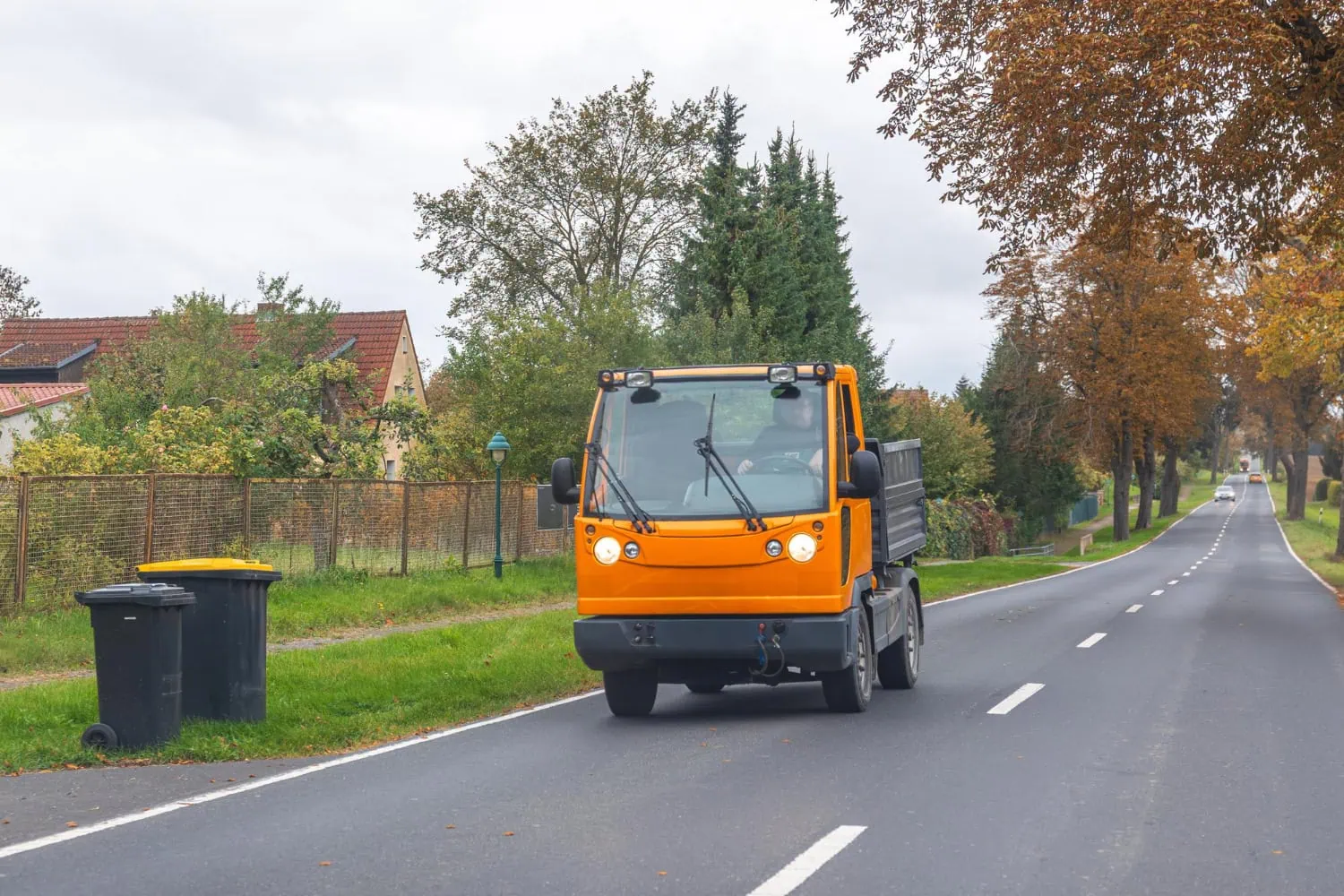
Ride Along on a Texas Grease Route
Used cooking oil pickup looks simple from the kitchen door, but a lot has to happen at every stop to keep things safe, clean, and compliant. When restaurant teams understand what goes on during a route, they can help shorten each visit and avoid headaches like overflow, odors, or surprise inspections.
So come along with us for a day on a cooking oil collection route across Central and South Texas. We will walk through the early start, what we check at your site, how we stay safe around hot oil, the paperwork that protects your business, and the small changes that can speed up service, especially during busy late spring and summer days.
Before the sun comes up, one of our drivers is already rolling through quiet streets, headed toward the first stop. Back alleys are still dark, but kitchen lights are on, fryers are already heating up, and the air smells like prep work. The clock is ticking, and every minute counts for both the driver and the restaurant teams waiting on a smooth, quick pickup.
Getting Rolling Before Dawn
A safe, efficient day starts long before the first restaurant on the list. At the yard, our drivers walk through a full pre-trip check so the truck is ready for a long, hot day.
Typical checks include:
- Inspecting tires, brakes, and lights
- Making sure spill kits, absorbent material, and cleaning tools are stocked
- Checking hoses, pumps, and seals for leaks or damage
- Laying out and inspecting personal protective equipment like gloves, eye protection, and non-slip boots
Dispatch also plans each cooking oil collection route carefully. We group nearby locations so we are not wasting time in traffic, look at expected volumes, and think about how the day will flow. On warmer days, quick and steady service helps keep containers from sitting too long and keeps odors under control.
Drivers review:
- Route manifests and service schedules
- Notes on locations that may need extra attention or container swaps
- Any updates on construction, access changes, or special instructions
Getting to you early helps your team too. If we arrive before trash pickups, food deliveries, and heavy prep, we can move in and out quickly without blocking docks, doors, or parking areas your staff needs.
On-Site Compliance Checks at Every Stop
When our truck turns into your alley or parking lot, the first task is not pumping oil; it is checking that everything at the container looks right and safe.
Our drivers check for:
- Proper container placement where it can be reached safely
- Secure lids and clear labels so staff know what goes where
- Open, clutter-free paths that are not blocked by boxes, trash, or parked cars
We also pay close attention to conditions around the container. In Texas, that often means checking that hot oil storage is not too close to ignition sources, doors used by guests, or any drains. We look for leaks, splashes, and signs that oil is spilling when staff pour it out.
At each stop, we match the container and location to the route manifest, log the volume of used cooking oil collected, and note any issues with access or compliance. These checks protect you by:
- Helping you avoid fines or citations
- Cutting down on pests that are drawn to spills
- Reducing strong odors that can spread in warm weather
- Keeping messy back areas from hurting your reputation
Safety First Around Hot Oil and Tight Spaces
Working around hot oil, trucks, and tight spaces is never casual. Our drivers wear gloves, eye protection, non-slip boots, and high-visibility vests because one small mistake in a greasy alley or crowded dock can lead to an injury.
Safe handling steps often include:
- Checking oil temperature before pumping or pouring
- Securing hoses and connections so they do not pop loose
- Pumping slowly enough to avoid splashes and overfills
- Keeping a steady stance on uneven or slick ground
Late spring and summer routes often overlap with other vendors, produce deliveries, and kitchen staff racing to get ready. Good communication keeps everyone safe. Drivers will speak up before moving equipment, avoid blocking exits, and respect site-specific safety rules your team shares.
If a small spill happens, our drivers are trained to act fast. They contain it, clean it up, document what happened, and let your staff know if things like broken lids, cracked concrete, or tight corners are making spills more likely. That way, you can fix the root problem and keep the area safer long term.
Documentation, Payments, and Transparent Records
After the oil is collected and the area is checked again, the paperwork starts. Documentation is not just a formality, it protects both the restaurant and the hauler.
On-site, our drivers:
- Log pickup time and location
- Record container condition and any visible issues
- Measure and enter the volume of used cooking oil collected
- Add notes about access, safety, or changes from the last visit
Those records support clear reporting later on, including service confirmations and volume histories. Many kitchens use this information to prepare for inspections or to support internal sustainability goals by showing that oil is being recycled properly.
Used cooking oil also has value for your business. Accurate volume records help track payouts and payment timing, and make sure both sides agree on what was picked up. Digital tools, like route software, photos, and e-signatures, help reduce lost paperwork and keep everything consistent and easy to review.
How Restaurants Can Speed up Every Pickup
A lot of time on a cooking oil collection route is spent simply getting to the container and working around obstacles. Small changes on your end can shave minutes off each visit and prevent issues when business is at its peak.
Helpful steps your team can take:
- Keep the path to the container clear of boxes, trash bags, and stacked items
- Avoid parking vehicles in front of tanks or behind the truck during scheduled times
- Make sure gates, locks, or back doors we use are unlocked when service is expected
- Keep lids closed when not in use to discourage pests and reduce odors
Some restaurants also set up simple internal routines:
- Assigning a point person who knows where the container is and how to guide the driver
- Posting the pickup schedule in the prep area or manager’s office
- Training closing staff to check container levels and report when they are getting high
As days get longer and tourist or local traffic gets heavier, fast, predictable service matters even more. Quick access to your container lowers the chance of overflow between visits, reduces strong smells in the back area, and helps keep pests away from your doors.
Proactive communication about schedule changes, menu updates that increase oil use, or construction near your back lot lets the route team adjust before problems pop up.
Turn Today’s Route Into Tomorrow’s Advantage
Each grease pickup might look like a quick stop, but behind it are compliance checks, safety steps, and detailed records that protect your kitchen and keep operations smooth. When you look at your own site through a driver’s eyes, small things like clear access, clean surroundings, and a known contact person can make a real difference in how fast and easy service feels.
By working with a local, hands-on team like Perfect Solution Grease Recyclers, restaurants and commercial kitchens across Central and South Texas can shape a cooking oil collection route and schedule that fits real-world volume, staff flow, and site limits. A few thoughtful changes today can turn every future pickup into a smoother, safer win for both your staff and ours.
Streamline Your Kitchen With Reliable Oil Collection Today
Let Perfect Solution Grease Recyclers handle the hassle of used oil so you can stay focused on running your kitchen. Our optimized cooking oil collection route keeps your operation clean, compliant, and on schedule. We tailor pickup timing and volume to your workflow, helping you avoid overflows, safety issues, and downtime. Ready to set up service or adjust an existing schedule? Just contact us and we will build a plan that fits your needs.