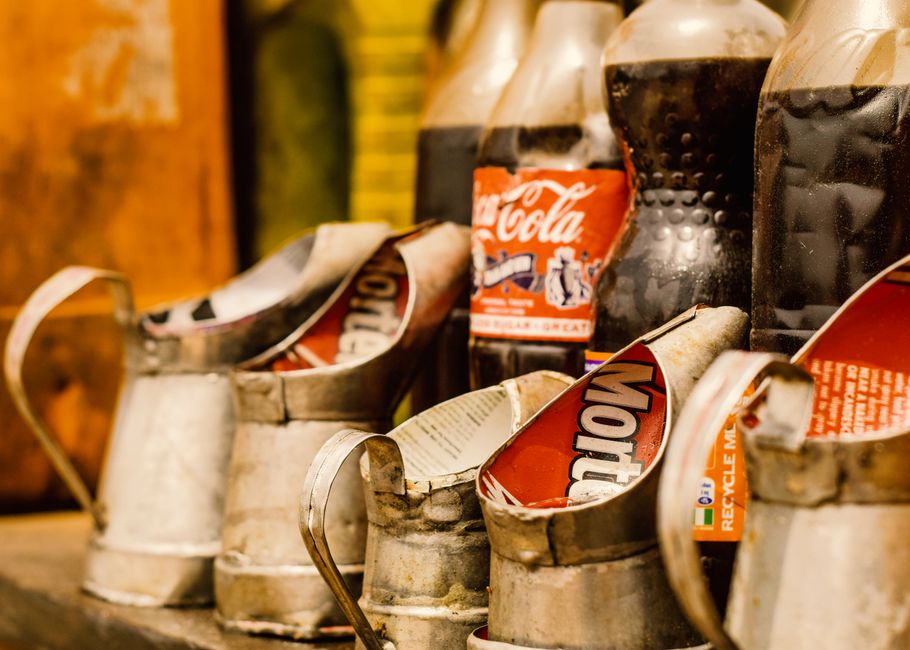
Restaurant oil recycling essentials: storage, collection, disposal options & why professional service matters. Get the facts every kitchen manager should know.
If you run a restaurant or commercial kitchen, you generate used cooking oil every single day. What you do with it matters more than you might think. Here’s what restaurants need to know about oil recycling: it’s not just about tossing it out, it’s about handling it safely, following best practices, and finding the right partner to manage it for you.
Used cooking oil has real value and a genuine afterlife. Instead of becoming a disposal headache, it can be collected, recycled, and repurposed. But getting there requires understanding your options, knowing what proper storage looks like, and choosing a reliable collection service that fits your operation.
Why Oil Recycling Matters for Your Restaurant
Your used cooking oil doesn’t belong in the trash or down the drain. When oil gets dumped improperly, it clogs pipes, damages plumbing systems, and creates environmental problems that cost restaurants money and reputation.
Related: Cooking Oil Recycling Service Near Me in Texas
Related: Used Cooking Oil Recycling Containers for Restaurants
Related: Grease Recycling Container Sizes for Restaurants
Professional oil recycling keeps your kitchen running smoothly. It prevents grease buildup in your drains, reduces the risk of costly plumbing emergencies, and shows customers and health inspectors that you take responsible waste management seriously.
Beyond the operational benefits, recycling used oil is the right thing to do. Instead of ending up in a landfill, your oil gets a second life. Many restaurants don’t realize their used oil can be refined into biodiesel, used in animal feed, or repurposed in other industries. That means your waste stream becomes someone else’s resource.
Storage: The Foundation of Oil Recycling
Before oil gets collected, it needs a home. Proper storage is non-negotiable for food safety, operational efficiency, and environmental protection.
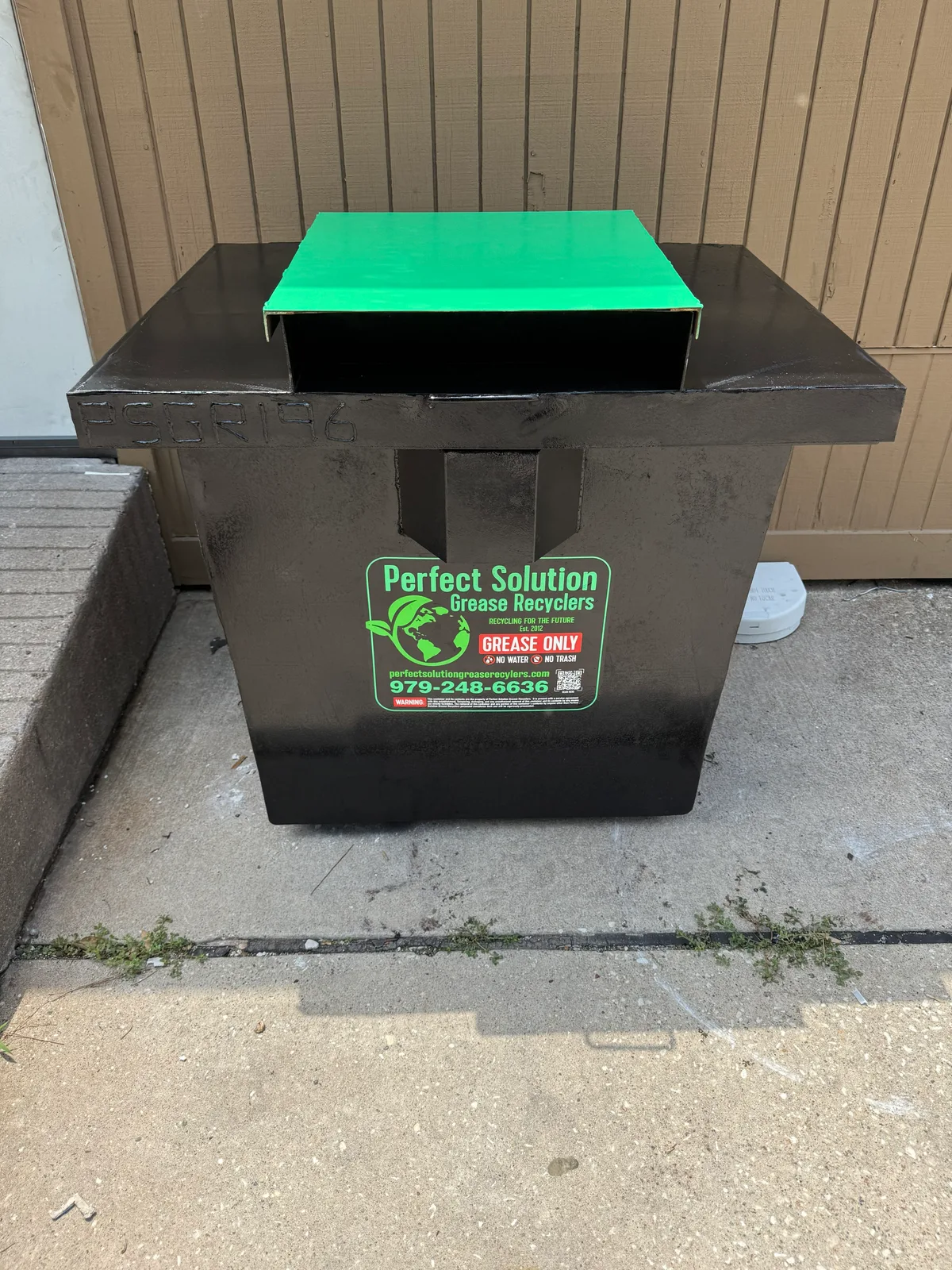
You’ll need a dedicated storage tank specifically designed for used cooking oil. This isn’t a general-purpose container. The tank should be clearly labeled, positioned in a safe location (usually outside or in a designated area away from customer spaces), and protected from the elements.
Your storage setup matters because it affects how often you need pickups. A smaller tank fills faster and requires more frequent collections. A larger tank holds more volume and can go longer between pickups. The right size depends on your cooking volume and how much oil your kitchen produces daily.
Make sure your tank has proper containment to prevent leaks. If oil spills from your storage area into soil or storm drains, you’re looking at cleanup costs and potential liability. A well-maintained tank with secondary containment keeps this risk off your plate.
For most restaurants, Perfect Solution Grease Recyclers can deliver and install a storage container that fits your kitchen’s specific needs, then schedule pickups around your actual usage patterns.
Collection Methods: What to Expect
Once your oil is stored properly, collection is straightforward when you work with a professional service.
A specialized technician arrives at your scheduled pickup time. They safely pump the used oil from your storage tank directly into a dedicated collection truck. The whole process is quick, clean, and designed to minimize disruption to your operation. No spillage, no mess, no guesswork.
Professional collection is the standard in the industry because it works. Technicians know how to handle hot or cool oil, work with different tank configurations, and load oil safely for transport. This is much better than trying to move heavy containers yourself or relying on inconsistent drop-off options.
The frequency of your pickups depends on your oil volume. Some restaurants generate enough oil for weekly pickups. Others only need service every two or three weeks. The best arrangement is one that matches your kitchen’s actual output, so you’re never overstocked and never caught without a place to put fresh used oil.
Your Oil Recycling Options Explained
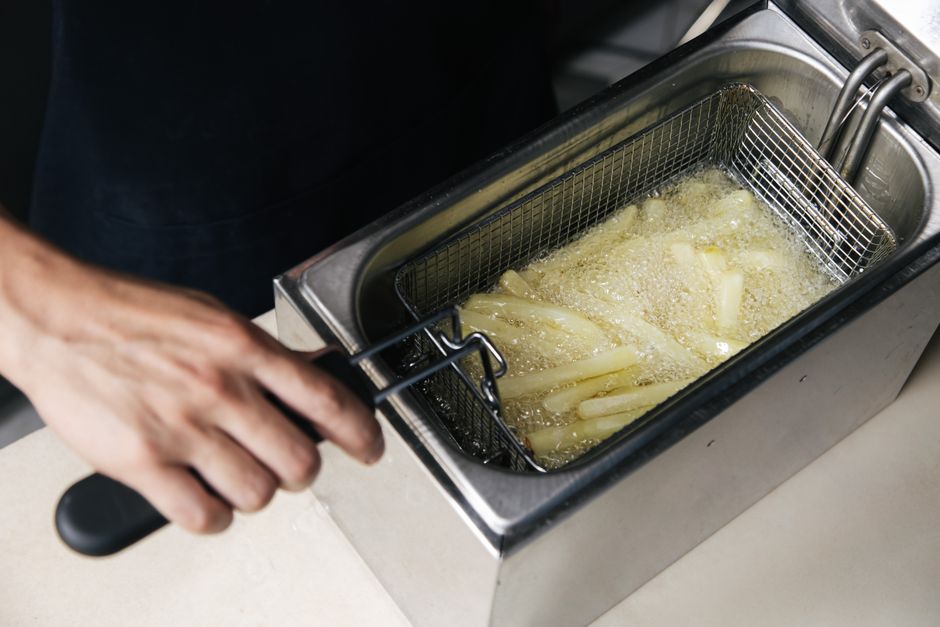
You have several paths forward when it comes to disposing of or recycling your used oil. Understanding each one helps you pick what works for your restaurant.
Professional Collection Service (Scheduled Pickups)
This is the most convenient option for most restaurants. A company like Perfect Solution Grease Recyclers handles everything: tank delivery, regular pickups on a schedule that fits your operation, safe transport, and recycling. You set it and forget it. Your staff doesn’t have to think about disposal logistics. Many services also pay competitive rates for your oil based on current market value, so you’re actually earning money from your waste stream instead of paying to get rid of it.
Local Drop-Off Centers
Some areas have recycling facilities or collection centers where you can drop off containers of used oil yourself. This works if your volume is small and you have the time and vehicle space to transport it. It’s less convenient for high-volume restaurants but saves you the subscription cost of a regular pickup service. The downside is consistency and reliability. You’re dependent on the facility’s hours and policies, and you’re handling the logistics yourself.
Responsible Reuse Programs
A few restaurants partner directly with businesses that reuse oil for specific purposes. This is rare and typically only works if you know someone who needs your oil and can pick it up on their schedule. It’s not a scalable solution for most operations.
The Integration Factor
Here’s something many restaurant owners overlook: oil recycling doesn’t exist in isolation. Your oil collection service works best when it’s coordinated with your other waste management needs like trash hauling, recycling, and grease trap maintenance. Grease trap pumping and oil collection should happen as part of the same overall kitchen maintenance routine, not as separate headaches.
What Makes Professional Oil Recycling Worth It
You might wonder if professional service is necessary. Why not just handle it yourself?
Reliability is the first reason. When you rely on a professional service, you know oil gets picked up on schedule. Your staff isn’t responsible for coordinating disposal. Your tank doesn’t overflow because someone forgot to arrange a drop-off. That consistency keeps your kitchen operating without surprises.
Safety is the second reason. Technicians trained in oil handling know the right way to pump, load, and transport used oil. They have the equipment, knowledge, and insurance to do it without accidents. Your staff can focus on cooking instead of wrestling with heavy containers or dealing with spills.
Environmental responsibility is the third reason. Professional recyclers ensure your oil gets handled responsibly, not just deposited somewhere and forgotten. You know it’s being recycled or reused, not contaminating soil or water.
And the financial benefit is real. Many services pay for your oil. Instead of viewing it as a cost center, you’re converting it into a small revenue stream. It’s not going to make you rich, but it adds up, especially for high-volume kitchens.
How to Get Started With Oil Recycling
If you’re ready to put a professional system in place, here’s the basic process.
First, assess your current situation. How much oil does your kitchen produce weekly? Where are you storing it now? What waste management services are already part of your operation? This gives you a baseline.
Next, reach out to a local oil recycling provider. Explain your operation and ask what they offer. Do they deliver storage containers? What’s their pickup schedule like? How do they determine payment rates for your oil? The answers help you compare options.
Third, set up an account and arrange your first pickup. Get your team trained on the simple process: make sure oil goes into the designated tank, keep the area around the tank clean and safe, and be ready for your scheduled pickup time.
If you’re in Texas and looking for a partner who understands how restaurants actually operate, Perfect Solution Grease Recyclers specializes in exactly this kind of service. They deliver storage containers, manage scheduled pickups based on your actual volume, and pay competitive rates for your oil. It’s hands-on service from a business that genuinely cares about reliability.
Common Questions Restaurants Ask
What happens to my used oil after it’s collected?
Your used cooking oil gets transported to a facility where it’s filtered and refined. From there, it’s typically repurposed into biodiesel, used in animal feed products, or sold to industrial applications. The exact path depends on the market and your recycler’s relationships, but the key point is that it doesn’t go to waste. It becomes a commodity with real value.
How often should my restaurant schedule oil pickups?
Pickup frequency depends entirely on how much oil your kitchen generates. A busy burger joint might need weekly pickups. A restaurant with a smaller fryer operation might only need service every two weeks or monthly. The best approach is to start with weekly pickups and adjust based on your tank’s actual fill rate. You want pickups frequent enough that you never run out of tank space, but not so frequent that you’re paying for unnecessary trips.
Can I store used oil in any container?
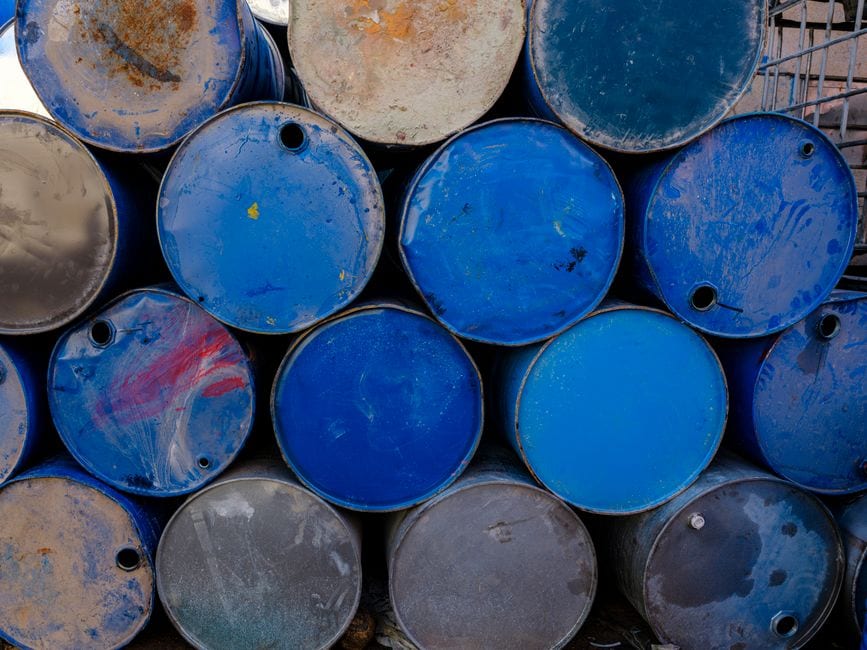
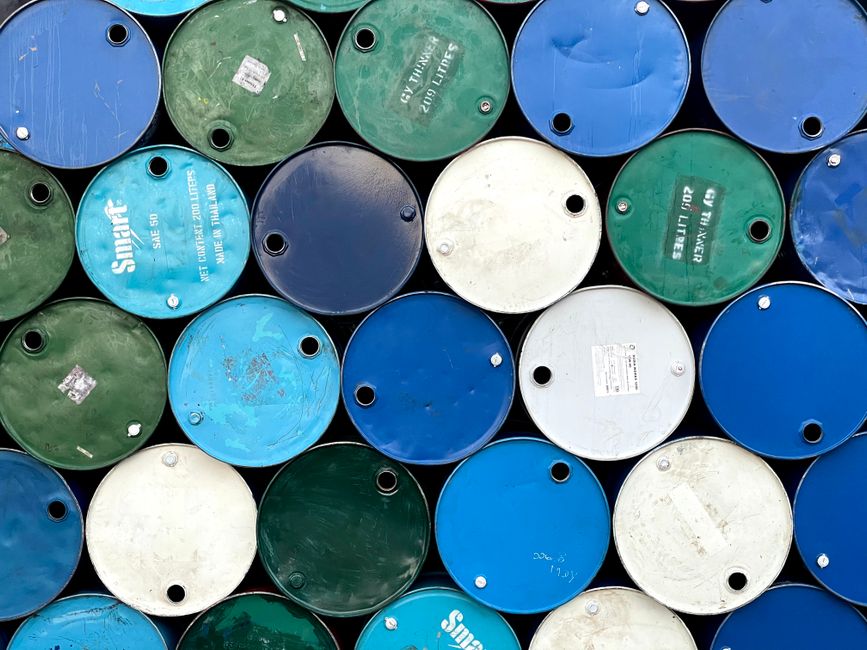
No. Used oil needs a container specifically designed for that purpose. It should be sturdy, clearly labeled, properly sealed when not in use, and positioned to prevent spills. A general-purpose barrel or bucket isn’t safe. Professional services deliver appropriate storage tanks as part of their setup, so you don’t have to source or maintain containers yourself.
What if my restaurant doesn’t produce much oil?
Even lower-volume restaurants benefit from professional oil recycling. You still generate used oil that needs responsible handling. A professional service removes that burden and ensures proper disposal. Plus, you might still earn money for your oil depending on the current market. It’s worth asking about minimum volume requirements when you contact a recycler.