Learn how cooking oil storage container delivery and installation works for restaurants. Get setup tips and discover what to expect from the process.
When you run a busy kitchen, managing used cooking oil shouldn’t be a headache. Cooking oil storage container delivery and installation is a straightforward process that takes the guesswork out of keeping your grease organized and ready for pickup. Here’s everything you need to know about getting a container set up at your restaurant or commercial kitchen.
What Happens During Cooking Oil Storage Container Delivery and Installation
The delivery and installation process is designed to be simple. A professional arrives at your kitchen with your new container, places it in a spot that works best for your operation, and makes sure it’s ready to use right away. You don’t have to figure out the technical stuff or spend hours setting things up yourself.
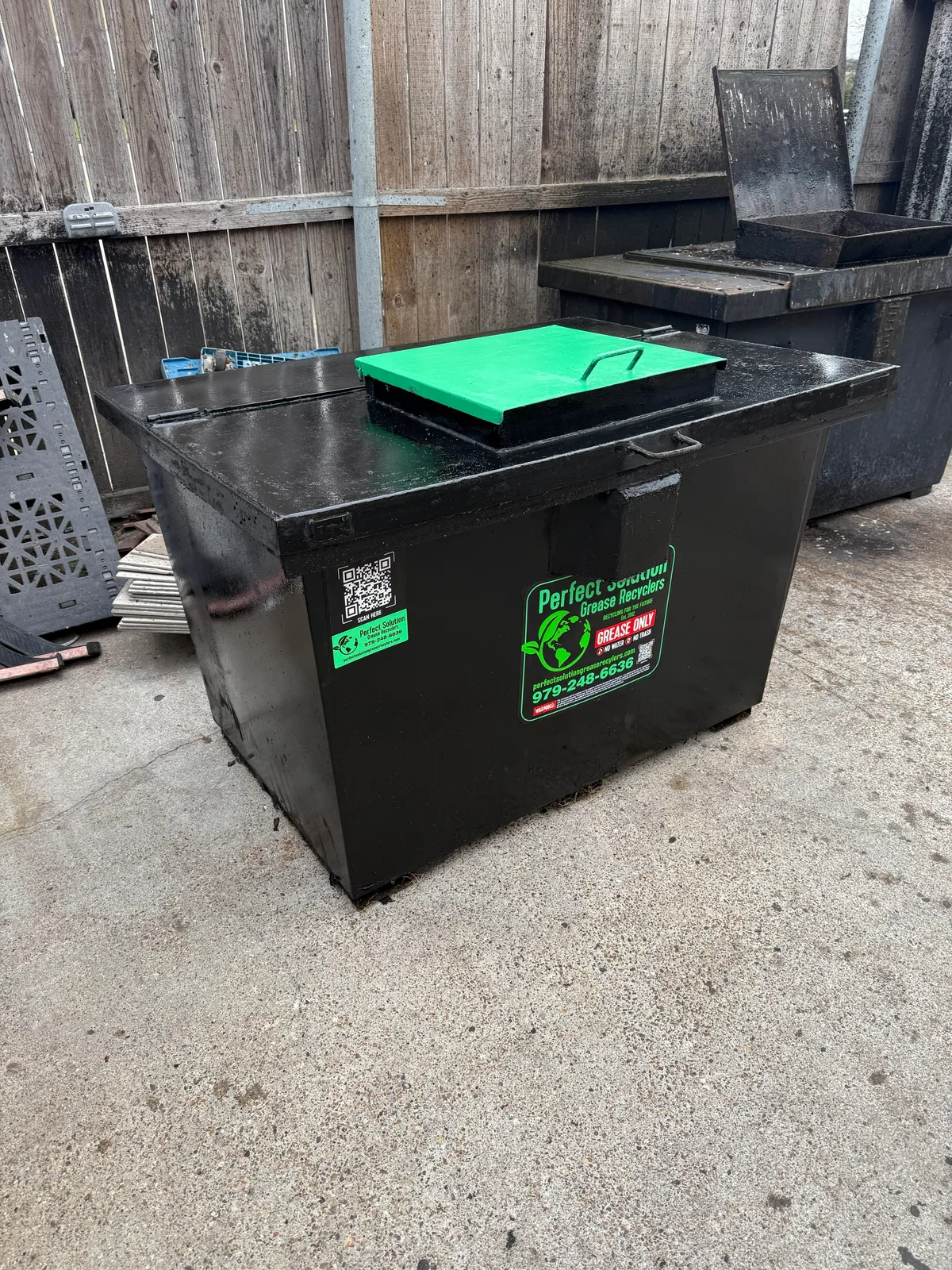
Your container comes equipped with features that make daily use easy. A secure lid keeps everything contained and sanitary. Built-in strainers help you filter oil as you pour it in, so you’re storing clean grease rather than food debris and contaminants. The whole setup is designed so your team can use it without any special training.
If you’re looking for a reliable partner to handle your used cooking oil collection and container needs, Perfect Solution Grease Recyclers manages delivery and installation across Texas so you can focus on what you do best: running your kitchen.
Related: Best Cooking Oil Recycling Rates San Antonio | 2026 Guide
Related: San Antonio Used Cooking Oil Removal & Recycling Guide
Choosing Between Stainless Steel and Glass Containers
You’ll typically have options when it comes to container material. Stainless steel containers are durable, long-lasting, and built to handle heavy use in a busy kitchen. They resist dents and damage, which matters when you’re working in a fast-paced environment.
Glass containers offer visibility, so you can see exactly how full your storage is at a glance. Some kitchens prefer glass because it’s easy to monitor fill levels without opening the lid. Both materials keep your cooking oil organized and accessible, so your choice really comes down to what fits your workflow best.
Either way, the container is designed specifically for cooking oil storage. It’s not a generic bucket or makeshift solution. You get a piece of equipment built for the job, installed properly, and ready to perform from day one.
Where Your Container Gets Placed
During installation, the professionals will work with you to find the best spot in your kitchen. This might be near your fryer station, in a storage area, or wherever your team already handles oil changes. The goal is convenience: your staff should be able to access it easily without disrupting their normal routine.
A good location keeps the container out of high-traffic paths but accessible enough that pouring used oil doesn’t become a hassle. If you have limited space, the installer will help you think through placement options. The container should be positioned securely so it won’t tip over, even in a busy kitchen where things get bumped and moved around.
How the Container Supports Easy Dispensing and Reuse

Once your container is in place, your team can start using it immediately. The design makes it simple to pour used oil in without spilling or making a mess. The strainer catches debris so you’re not storing chunks of fried food in your collected oil.
Easy dispensing also means less strain on your staff. They’re not struggling with awkward containers or worrying about spills that could create a safety hazard. When your used cooking oil is organized and easy to access, the whole process of keeping your kitchen clean and your oil managed becomes part of your normal workflow instead of an extra chore.
What Happens After Installation
After your container is delivered and installed, it becomes the hub of your used cooking oil collection. When it gets full, you contact your oil collection service for a pickup. The container is designed to make that handoff straightforward too, so there’s no confusion about what’s being picked up or how the process works.
Having a dedicated container also keeps you organized. You’re not juggling multiple bottles, old buckets, or temporary storage solutions. Everything goes in one place, and when it’s time for pickup, your provider takes care of the rest.
When you’re ready to set up a container system that actually works, Perfect Solution Grease Recyclers handles delivery and installation so your kitchen stays efficient and your used oil stays organized.
Getting Started With Your Container Setup
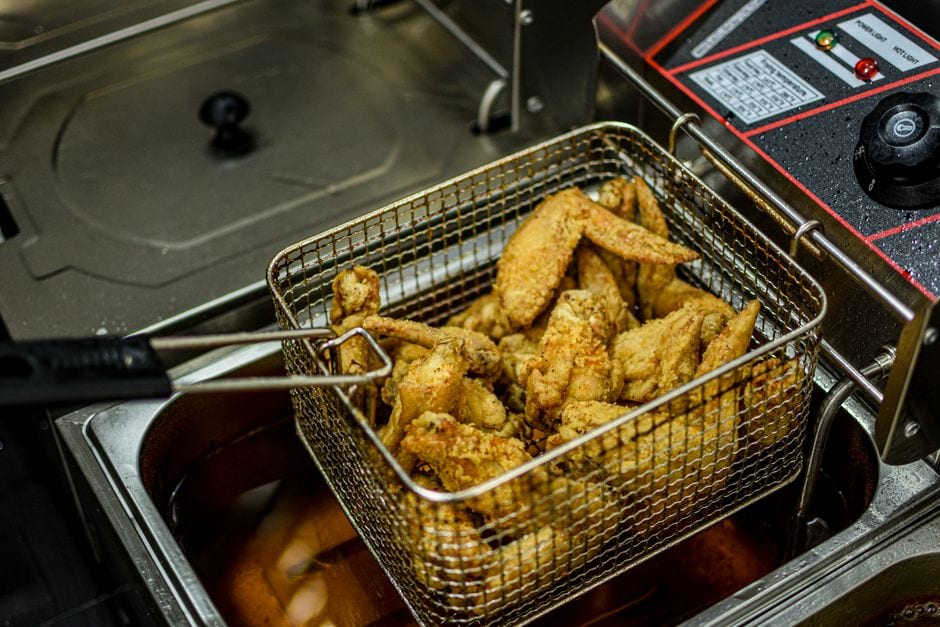
The first step is reaching out to discuss your kitchen’s needs. Every operation is different. A high-volume fryer station at a chicken restaurant has different demands than a catering kitchen or a smaller cafe. The right container size and placement depends on how much oil you’re collecting and how your kitchen is laid out.
Once you connect with a provider, they’ll walk through options with you. You’ll decide on material, size, and placement. Then installation happens on a schedule that works for you, not around someone else’s timeline. That’s the difference between working with a service that treats you like just another account number versus one that actually listens to what you need.
The whole point of cooking oil storage container delivery and installation is to remove friction from your operation. You shouldn’t be stressed about where to put your grease or how to organize it. A professional setup handled by someone who understands commercial kitchens means one less thing to worry about.
Related: Commercial Kitchen Grease Container Installation Guide
Why Container Organization Matters for Your Business
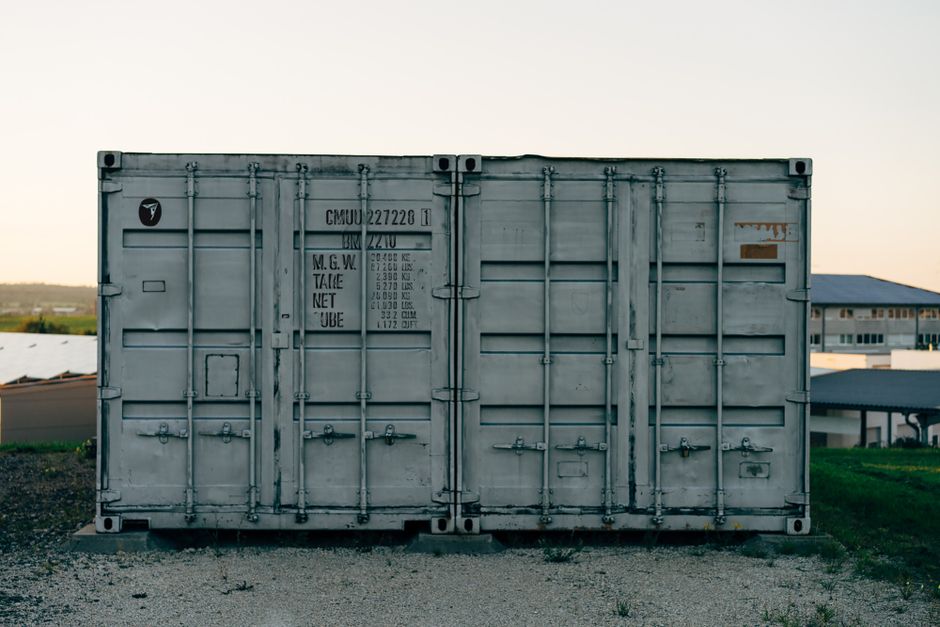
When your cooking oil is organized, your kitchen runs smoother. Your team knows exactly where to go when they need to dispose of used oil. There’s no confusion, no spills, no wasted time hunting for containers. That efficiency adds up across dozens of oil changes throughout the month.
A proper container also protects your space. Used oil in an organized system doesn’t create slippery floors or unpleasant odors that customers might notice. It’s not sitting in random buckets collecting dust or taking up valuable storage real estate.
Beyond the practical benefits, having a dedicated container shows you’re running a professional operation. Your staff respects systems that are thoughtfully set up. Customers appreciate a clean, well-organized kitchen. When everything has its place, from your equipment to your waste management, it reflects the standards you’re setting for your entire business.
Common Questions About Container Delivery and Installation
How long does installation typically take?
Installation is usually quick, often just 30 minutes to an hour depending on where the container needs to be placed and any adjustments required for your specific kitchen layout. You won’t need to shut down operations or rearrange your whole kitchen. The installer works around your schedule and your existing setup.
Can I move the container after it’s installed?
Containers are heavy when full, so they’re positioned to stay in place. That said, if your kitchen layout changes or you realize the location isn’t ideal, you can typically request a repositioning. Talk to your service provider about what’s possible. The goal is having the container in a spot that works for your team long-term.
What if my kitchen doesn’t have much space?
Space constraints are common in commercial kitchens. Installation professionals work with what you’ve got. They can often find creative placements along walls, in corners, or near existing equipment. If space is really tight, they might recommend a smaller container size or discuss alternative solutions. Be upfront about your limitations during the initial conversation.
Do I need to do anything to prepare for installation?
Not really. Just make sure the installer can access the area where the container will go and that the space is clear of major obstacles. If you have questions about where it should be placed, mention that when you schedule. Otherwise, the professionals handle the rest and get you set up and ready to go.