Turn your used cooking oil into cash. Learn how to set up an efficient recycling program and get paid competitive rates for your fryer oil.
Your used fryer oil isn’t waste—it’s money sitting in your grease trap. Most restaurant owners and kitchen managers don’t realize how much revenue they’re leaving on the table by treating spent cooking oil as just another disposal problem. The good news? Maximizing profits from used fryer oil recycling is straightforward once you understand what actually moves the needle.
The real profit comes from three things: keeping your oil clean, getting it picked up on a reliable schedule, and working with someone who pays fair rates. Let’s walk through exactly how to set this up.
Related: How to Get Paid for Used Fryer Oil: A Texas Restaurant Guide
Related: Used Cooking Oil Recycling Containers for Restaurants
Related: San Antonio Used Cooking Oil Removal & Recycling Guide
Start With Clean Oil Storage
Before you see a dime, your oil has to be worth recycling. That means removing solid particles before they end up in your collection container.
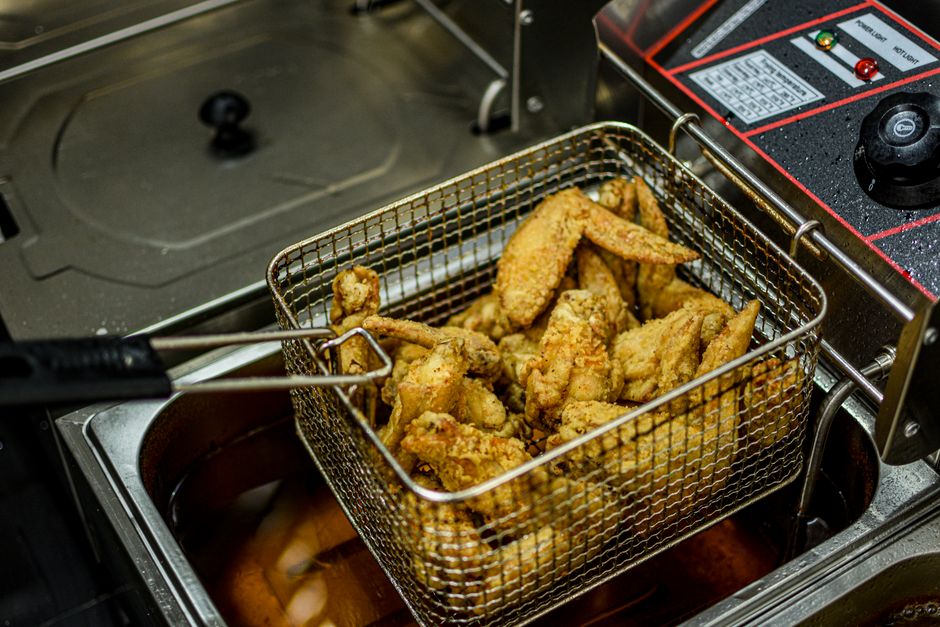
Here’s what works: skim food debris from your fryers throughout the day using a fine strainer or mesh basket. Don’t wait until the end of your shift. The longer particles sit in hot oil, the harder they are to remove, and contaminated oil gets rejected or downgraded in value.
When it’s time to transfer oil to your storage container, pour slowly and let sediment settle at the bottom. Keep your container covered and stored in a cool, dry place away from direct sunlight. This protects the oil’s quality and prevents moisture from getting in.
If you’re currently dumping used oil down the drain or letting it cool in random buckets, you’re not only losing money—you’re also creating disposal headaches. Perfect Solution Grease Recyclers can provide you with a dedicated storage container designed to keep your oil in top condition until pickup day, eliminating guesswork and keeping your operation cleaner.
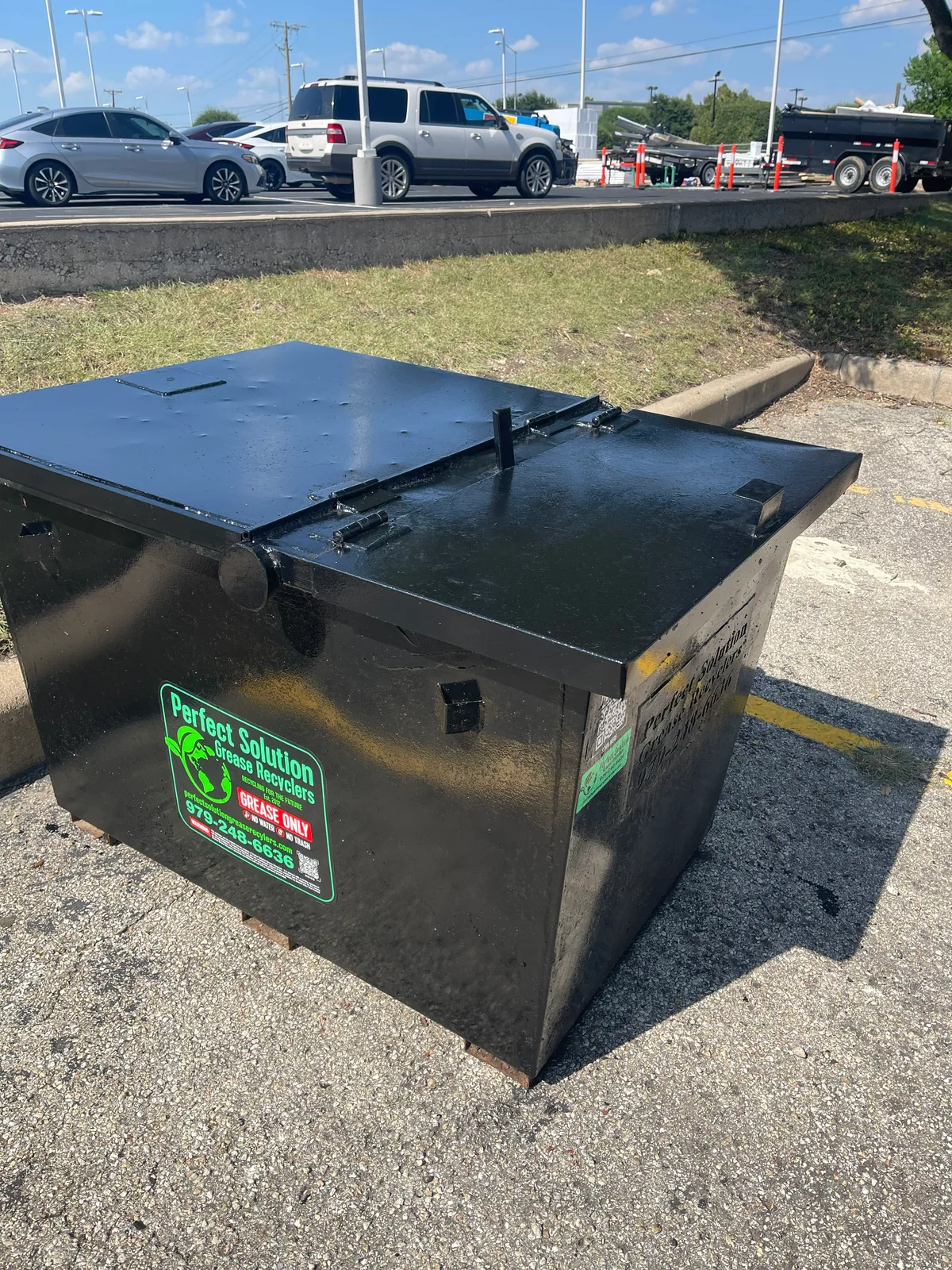
Set Up a Formal Collection Schedule
Inconsistent pickups kill profitability. When you go days without collection, oil degrades in quality. When you schedule pickups randomly, you waste time tracking inventory and coordinating logistics.
The move is to establish a fixed pickup schedule that matches your actual oil volume. A high-volume operation might need weekly pickups. A smaller kitchen might do fine with every two weeks. The key is matching frequency to your throughput so oil never sits too long.
A formalized program also means you’re not scrambling to find someone to haul it away at the last minute. You know exactly when your container will be swapped out, and you know exactly when payment arrives. This kind of predictability lets you budget oil disposal costs accurately instead of treating it as a surprise expense.
Most reliable recycling services will work with you to dial in the right schedule. They should be flexible enough to adjust if your volume changes seasonally—maybe you run busier in summer and need more frequent pickups then.
Understand What Affects Your Payout
Your profit per collection depends on a few real factors: volume, oil quality, and the rate your recycler pays.
Volume is simple—more oil means more money. But quality is where you control the outcome. Clean oil with minimal water and food particles commands better rates than contaminated batches. That’s why the storage and skimming steps matter so much.
The rate itself varies based on market conditions and the recycler you choose. Some large waste management companies offer commodity rates that treat your oil like a generic product. Others, like Perfect Solution Grease Recyclers, compete on fair pricing and personalized service instead of just rock-bottom corporate efficiency.
A recycler who knows your business and handles your account consistently will typically offer more competitive rates than an impersonal bulk service. They also tend to show up on time, communicate clearly, and adjust to your needs—which keeps your operation running smoothly and your oil quality high.
Streamline Your Workflow
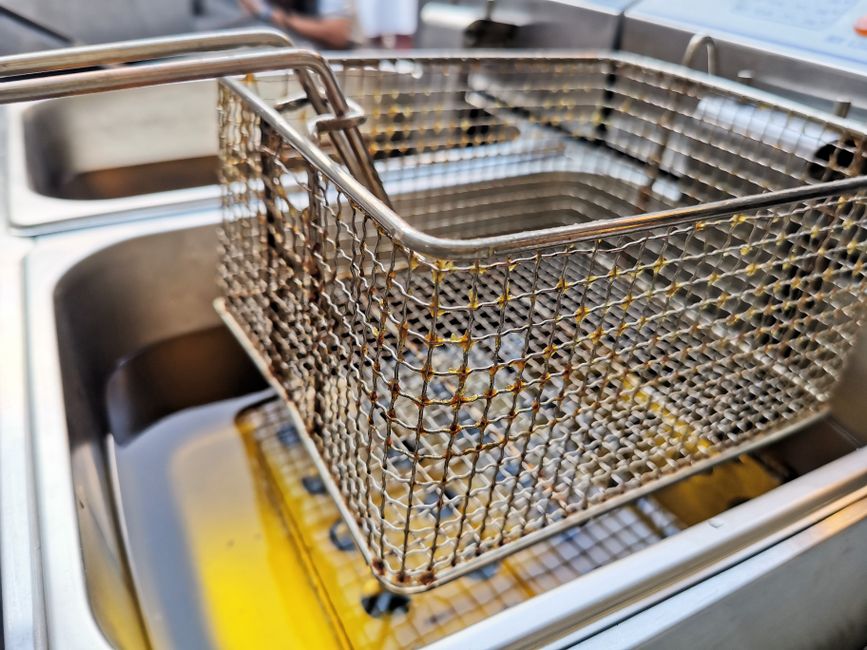
Recycling used fryer oil doesn’t have to complicate your kitchen. It actually simplifies things when you build it into your routine.
Assign one person to handle oil skimming at the end of each shift. Takes five minutes. Keep your collection container in an accessible spot—not buried in a back corner where staff forgets about it. Make it part of your closing checklist, just like wiping down surfaces or mopping floors.
When your recycler arrives for pickup, they should swap your full container for an empty one without disrupting service. You shouldn’t have to lift anything heavy or manage any of the logistics yourself. That’s their job.
This kind of integration means your team doesn’t see oil recycling as extra work—it’s just how you operate. And a smoother process means consistent quality, which means consistent payouts.
Track Your Revenue Over Time
Once you’re in a regular collection rhythm, keep a simple record of pickup dates and volumes. Over a few months, you’ll see patterns in your oil output and payout totals.
This data is valuable. It tells you whether you’re hitting your potential, it helps you forecast cash flow, and it gives you leverage if you ever want to negotiate terms with your recycler. You’ll also spot if quality is slipping (which shows up as lower payouts per gallon) and know exactly when to address it.
Some recyclers make this easy by providing regular statements and payment tracking. That’s a sign they’re organized and professional. If you’re working with someone who can’t easily show you what you’ve earned, that’s a red flag.
Make the Right Partnership Choice
Your recycler is a partner in your profitability, not just a vendor. The right fit handles all the heavy lifting—delivery, installation, scheduled pickups, and competitive payouts—while you stay focused on running your kitchen.
Look for someone who invests in local service, shows up on time consistently, and communicates clearly about pricing and pickup windows. If you’re in Texas and looking to maximize your used oil recycling profits with a reliable partner, it’s worth talking to a local operator who treats your business like they’d treat their own.
People Also Ask
How often should I schedule oil pickups?
It depends on your volume, but most restaurants do well with weekly or bi-weekly pickups. The goal is to collect before oil quality degrades. A high-traffic kitchen might need weekly service, while a smaller operation could stretch it to every two weeks. Your recycler should help you figure out what works for your throughput.
Does dirty oil lose value?
Yes. Oil with visible food particles, water, or excessive sediment gets a lower payout or gets rejected entirely. Keeping your oil clean through daily skimming and proper storage is the easiest way to protect your earnings. It takes minimal effort and pays off in higher rates.
What happens to my used cooking oil after it’s picked up?
Used fryer oil gets processed into new products—everything from biodiesel fuel to animal feed and industrial lubricants. Your recycler handles all of that. Your job is keeping it clean and getting it picked up on schedule.
Can I make money from a small volume of oil?
Absolutely. Every bit of usable oil has value. Even a smaller kitchen generating a few gallons a week should recycle it instead of throwing it away. The payouts might be smaller, but they add up, and you’re also avoiding disposal costs and meeting your operational responsibilities.