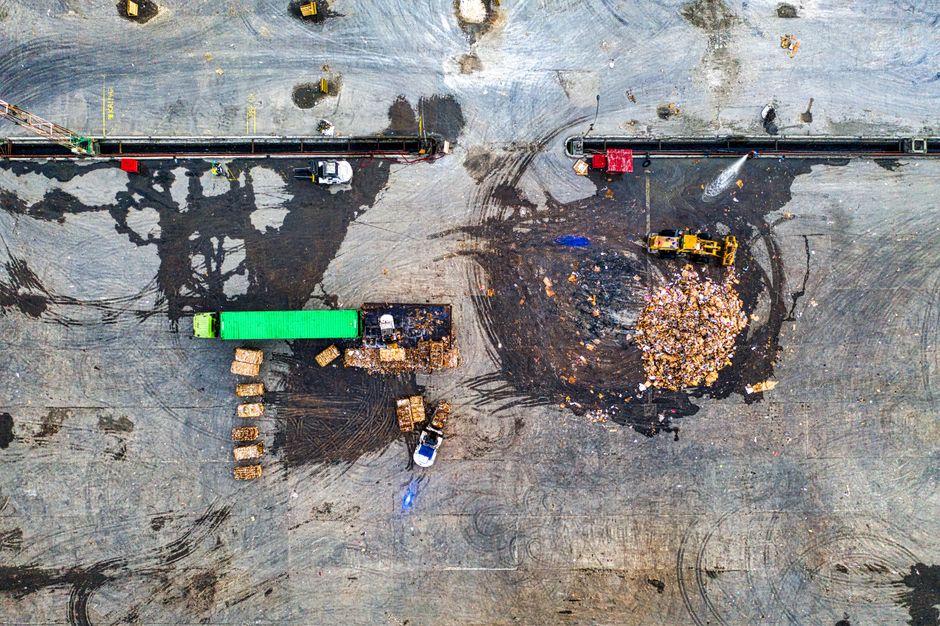
Tired of impersonal waste management? Discover specialized grease collection alternatives that offer personalized service, fair pricing, and reliable pickups for your restaurant.
If you’re running a restaurant or commercial kitchen in Texas, you already know that used cooking oil disposal is a pain. Large waste companies treat it like just another line item on a invoice. They show up when they feel like it, the pricing feels opaque, and you’re basically a number in their system.
The good news? There are solid grease collection alternatives to large waste companies, and they work way better for most food service businesses. These specialized providers focus specifically on what you need: reliable pickups, fair payouts, and actual customer service.
Related: Reliable Grease Collection for Austin-Area Restaurants: Complete Guide
Let’s walk through your real options and how to pick the right fit for your operation.
Why Specialized Grease Collection Services Beat Big Waste Companies
Large waste management companies run on volume. They service hundreds of clients across massive geographic areas, which means your grease collection gets scheduled around their route optimization, not your kitchen’s needs.
Specialized grease collection providers do one thing well: they focus on restaurants and commercial kitchens like yours. Here’s what that actually means for you.
Reliable, flexible pickup schedules. A specialized provider works with your oil volume and your kitchen schedule. If you’re a breakfast-heavy spot, they pick up based on what makes sense for your business. Not some predetermined corporate schedule.
Competitive payouts for your used oil. Since these businesses exist to collect and recycle your grease, they have direct financial incentive to pay fairly. You’re not subsidizing their 50-state operation overhead.
Actual relationships with management. When something goes wrong (grease trap backup, missed pickup, container issue), you talk to someone who can fix it immediately. Not a call center 1,000 miles away.
Grease trap and drain care included. Many alternatives go beyond just collecting your used cooking oil. They offer grease trap cleaning and drain maintenance as part of their service, which keeps your whole system running smoothly.
If you want to work with a provider that genuinely understands restaurant operations, Perfect Solution Grease Recyclers operates across Texas with that exact hands-on approach. But let’s talk about what to look for in any alternative provider.
What to Look for in a Grease Collection Alternative
Not all specialized grease collection services are created equal. Here’s what separates a good one from a mediocre one.
Geographic Service in Your Area
A regional specialist who knows your territory is worth way more than a national company. They understand local kitchen codes, can respond quickly to emergencies, and actually have grease routes optimized for where you are.
Make sure the provider actively services your city or region. If they’re stretched too thin across five states, you’re basically back to square one.
Professional Container Management
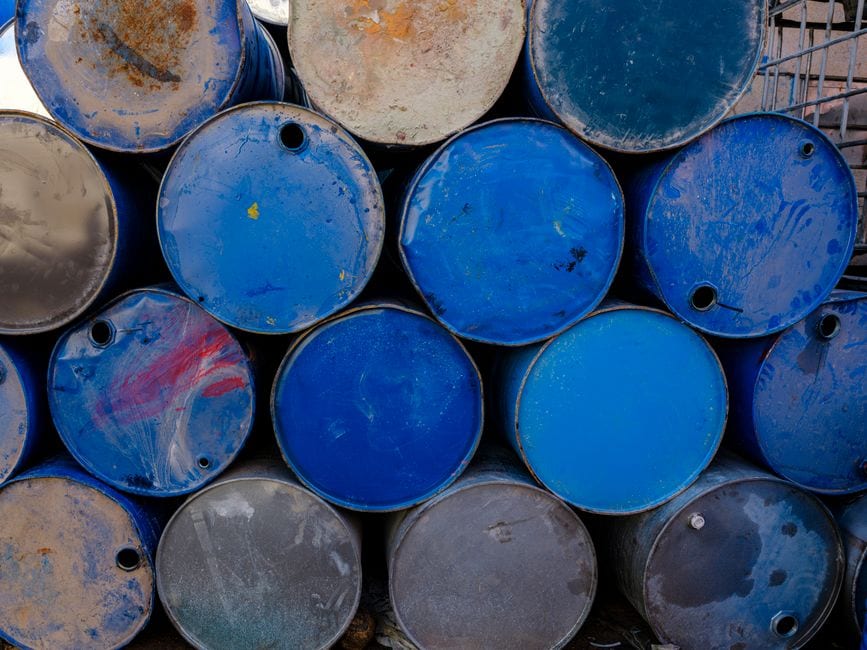
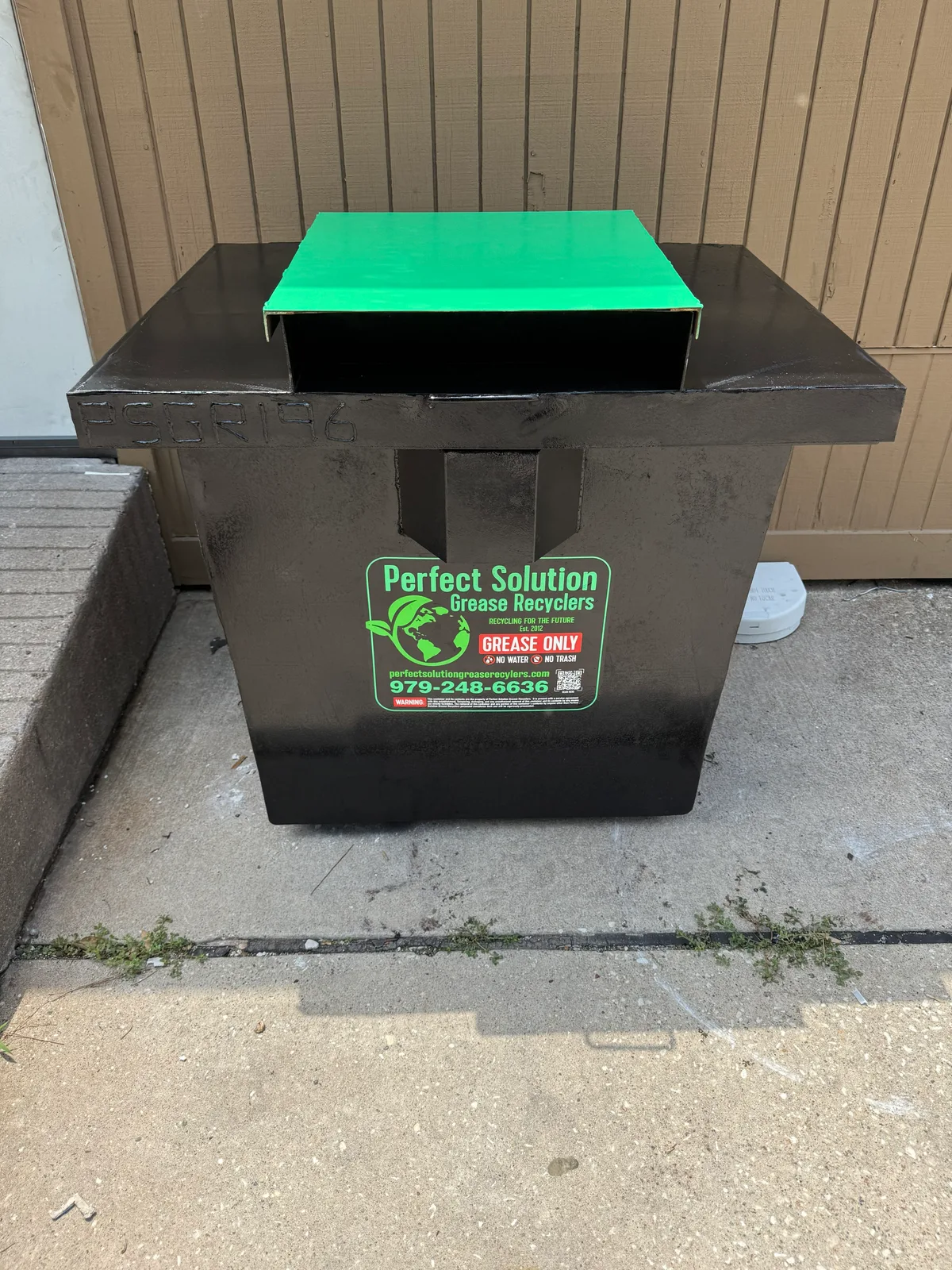
The best alternatives deliver and install dedicated grease storage containers at your location. No more janky barrels in your back alley. A proper system means your staff knows where to pour, pickups run on time, and everything stays organized.
Ask if they handle container installation, maintenance, and replacement as part of the service.
Scheduled Pickups Based on Your Volume
Your grease output isn’t the same every day. A good provider adjusts pickup frequency based on how much oil you’re actually generating, not some rigid weekly schedule.
This flexibility saves you money if you’re a slower spot, and makes sure you never overflow if you’re slammed with business.
Clear, Transparent Pricing
You should know exactly how your payout is calculated. Is it based on weight? Volume? Current market rates for recycled oil? A provider worth working with explains this upfront and doesn’t hide fees.
The payout should feel fair relative to the amount of oil you’re providing, and pricing should be consistent month to month.
Environmental Responsibility
Responsible grease collection providers recycle your used cooking oil into sustainable diesel substitutes and other products. You’re not just handing off waste, you’re sending it somewhere useful.
If environmental impact matters to your restaurant (and it should), make sure your provider actually recycles the oil rather than just offloading it elsewhere.
Emergency and Drain Care Options
Grease backups and drain issues don’t happen during business hours. A solid alternative provider offers 24/7 emergency pickup for urgent situations and comprehensive grease trap cleaning services.
This keeps your kitchen operational when something goes wrong.
How Alternatives Work Differently Than Big Waste Companies
Here’s the practical workflow when you switch to a specialized grease collection alternative.
Step 1: They deliver a container. A professional storage container gets installed at your location. It’s sized for your kitchen’s output and positioned for easy access by your staff.
Step 2: Your team fills it. Cooks and kitchen staff pour used cooking oil into the dedicated container throughout the week. No improvisation, no overflow.
Step 3: Scheduled pickup happens. Based on your volume and frequency agreement, the provider picks up the filled container on schedule. If you overflow before pickup day, most alternatives can arrange an extra collection.
Step 4: You get paid. You receive payment based on the volume and quality of oil collected, with rates that actually reflect market value.
Step 5: They recycle it. Your grease goes to recycling facilities where it gets transformed into biodiesel and other sustainable products.
Compare that to a large waste company, where your oil is just another item on a dumping route and you might wait weeks to understand what happened to it.
When Emergency Pickup Becomes Necessary

Grease traps back up. Drain lines get blocked. It happens in restaurants.
Large waste companies aren’t equipped for emergency service. They’re on a fixed schedule, and if you have a crisis on a Saturday, good luck reaching anyone useful.
A good grease collection alternative offers 24/7 emergency pickup. Your grease trap overflows Friday night before a big weekend? They show up and handle it. Your drain line gets blocked during lunch service? They’ve got equipment on hand to address it.
This kind of responsive service is what makes a difference between a restaurant that stays operational and one that has to shut down service mid-day.
The Recycling Story: Where Your Grease Actually Goes
One major benefit of working with a specialized alternative is transparency about what happens to your used cooking oil.
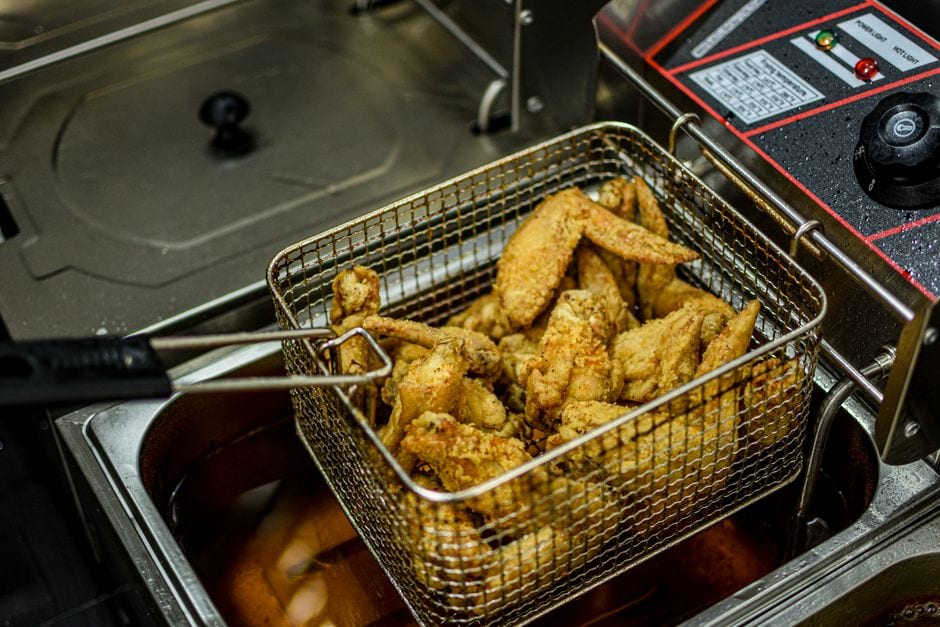
Responsible providers send collected grease to recycling facilities where it’s processed into sustainable diesel substitutes, animal feed additives, and other commercial products. Your waste becomes a resource.
This isn’t just better for the environment. It’s part of why specialized providers can pay you competitive rates. The grease has genuine value in the recycling market, and they pass that value back to their restaurant clients.
Large waste companies sometimes recycle too, but often they’re just the middleman. You’re disconnected from the actual process and the value of your oil gets absorbed by multiple corporate layers.
How to Make the Switch
Switching from a large waste company to a specialized alternative takes about three steps.
Step 1: Assess your current volume. Grab your last three months of waste bills and note how much used cooking oil you’re generating and how often you currently get pickups.
Step 2: Contact local alternatives. Reach out to regional grease collection providers in your area. Ask about their service area, pickup frequency options, payout rates, and whether they offer grease trap cleaning.
Step 3: Get a written agreement. Make sure the alternative provider gives you a clear service agreement that outlines pickup schedule, payout terms, container maintenance, and emergency contact procedures.
The whole process usually takes less than a week, and you can often overlap your old and new providers during the transition so nothing gets missed.
If you’re looking for a partner with restaurant expertise and regional focus, Perfect Solution Grease Recyclers serves restaurants across Texas and handles everything from container installation to emergency pickups to competitive payouts. They’re built on the model of actually caring about their clients’ operations, not just hitting volume targets.
Questions to Ask Any Grease Collection Alternative
Before you commit, here’s what you should ask any potential provider.
- Do you service my specific location or neighborhood?
- What’s your typical pickup frequency, and how flexible is it based on my oil volume?
- How is the payout rate calculated, and how often will I get paid?
- What happens if my grease container overflows between pickups?
- Do you offer 24/7 emergency pickup for drain or grease trap issues?
- Do you handle grease trap cleaning as part of your service?
- What safety or compliance standards do you follow for collection?
- Can I get a written service agreement before we start?
The Bottom Line
Grease collection alternatives to large waste companies aren’t some fringe option anymore. They’re a better solution for most restaurants because they actually focus on what you need: reliability, fair treatment, and responsive service.
Related: Grease Collection Service for Small Restaurants in Austin
You don’t need to be a huge chain or a fancy downtown spot to deserve grease collection service that doesn’t treat you like a transaction. Regional specialists, including Perfect Solution Grease Recyclers, exist specifically to serve restaurants like yours with the hands-on attention and competitive payouts you deserve.
People Also Ask
What’s the difference between grease collection and grease trap cleaning?
Grease collection is the removal of used cooking oil from your kitchen. Grease trap cleaning is the maintenance of the trap or interceptor that catches grease before it enters your drain system. Many specialized providers offer both services, but they’re separate. You need collection for your fryer oil disposal and grease trap cleaning for system maintenance.
How often should my grease get picked up?
It depends entirely on your kitchen’s output. A small cafe might only need pickup twice a month, while a high-volume fryer operation might need pickup twice a week. A good provider adjusts frequency based on your actual volume, not a fixed corporate schedule.
Can I get paid for my used cooking oil?
Yes. Specialized grease collection providers pay for used cooking oil because it has value in the recycling market. Payment is usually based on weight or volume and tied to recycled oil market rates. Large waste companies typically don’t pay you anything because they’re not set up to capture that value.
What happens if I have a grease backup on a weekend?
A specialized alternative with 24/7 emergency service will respond to your backup and handle it immediately. Large waste companies typically won’t. Emergency response is one of the biggest advantages of working with a regional provider focused on restaurants.