Learn how to install grease containers in your commercial kitchen. Step-by-step placement, types, and what you need to know before setup.
Installing a grease container in your commercial kitchen is one of the smartest moves you can make to protect your plumbing and keep your operation running smoothly. Here’s what you need to know about getting it done right.
What Is Commercial Kitchen Grease Container Installation?
Commercial kitchen grease container installation is the process of setting up a dedicated grease trap or interceptor system in your kitchen to capture used cooking oil and grease before it enters your drain pipes. Think of it as a safety net for your plumbing.
When grease flows down your drains, it cools and solidifies, creating blockages that can shut down your kitchen and cost thousands to fix. A properly installed grease container catches that grease before it becomes a problem.
The installation itself involves placing the container in the right location, connecting it to your drain system, and making sure it’s set up to work with your kitchen’s workflow. You’ll want a licensed plumber to handle this job to ensure everything meets local codes and functions correctly.
Types of Grease Container Systems for Commercial Kitchens
There are two main installation types you’ll encounter in commercial kitchens.
Under-Sink Grease Traps
These are installed directly beneath or near your sink where grease is released. They’re compact, easy to access, and perfect for smaller kitchens or as supplementary protection. Installation is straightforward since they sit under existing sinks and connect to your drain line.
In-Ground Grease Interceptors
These are larger, more permanent systems buried in the ground or installed in a basement or external area. They handle higher volumes of grease and are ideal for busy restaurants or large food service operations. Installation requires more planning and professional work, but they’re incredibly effective for heavy-duty operations.
Where to Place Your Grease Container
Location matters more than you might think. The best placement is directly beneath or near sinks where grease is released most heavily. This is typically in your prep areas, dish washing stations, or anywhere cookware gets cleaned.
Your kitchen layout affects placement too. You want the container accessible for maintenance and cleaning, but not in the way of your daily workflow. A licensed plumber will help you find the sweet spot that balances function and practicality.
Every commercial kitchen equipment that may release grease into drain pipes should have protection. This means thinking about all your sinks, not just the main one. Proper placement helps ensure compliance with local regulations and keeps your system working effectively.
Installation Steps and Professional Setup

You shouldn’t attempt this alone. A licensed plumber is essential to handle the installation properly.
Step 1: Assessment and Planning
The plumber inspects your kitchen, evaluates your drain system, and determines the best container type and placement for your operation. They’ll check local codes to make sure your setup meets requirements.
Step 2: Container Selection
Based on your kitchen’s size and volume of grease production, they’ll recommend either an under-sink trap or a larger interceptor system.
Step 3: Installation
The plumber installs the container, connects it to your drain system, and ensures proper sealing. Everything must be watertight and functional.
Step 4: Testing and Verification
Once installed, the system is tested to confirm it captures grease effectively and doesn’t cause drainage issues elsewhere in your kitchen.
Why Professional Installation Protects Your Business
A licensed plumber knows local codes and regulations. They understand how grease traps interact with your entire plumbing system. They’ll install your container in a way that actually works.
Improper installation can lead to leaks, ineffective grease capture, and plumbing failures down the road. You might save a little money doing it yourself, but you’ll lose way more when your kitchen floods or your drains back up during service.
Professional installation also gives you peace of mind. Your system is set up right from day one, and you have documentation proving you followed the rules.
Integration With Your Kitchen Operations
A good installation doesn’t just sit there, it works with how your kitchen actually operates. Your plumber will consider your workflow, traffic patterns, and daily operations when deciding placement.
The goal is a system that protects your plumbing without slowing you down. If your grease container is hard to access or positioned awkwardly, your team won’t maintain it properly. And poorly maintained containers become ineffective containers.
Maintenance After Installation

Installation is just the beginning. Grease traps require regular cleaning and maintenance to keep working. This means scheduling cleanouts based on how much grease your kitchen produces.
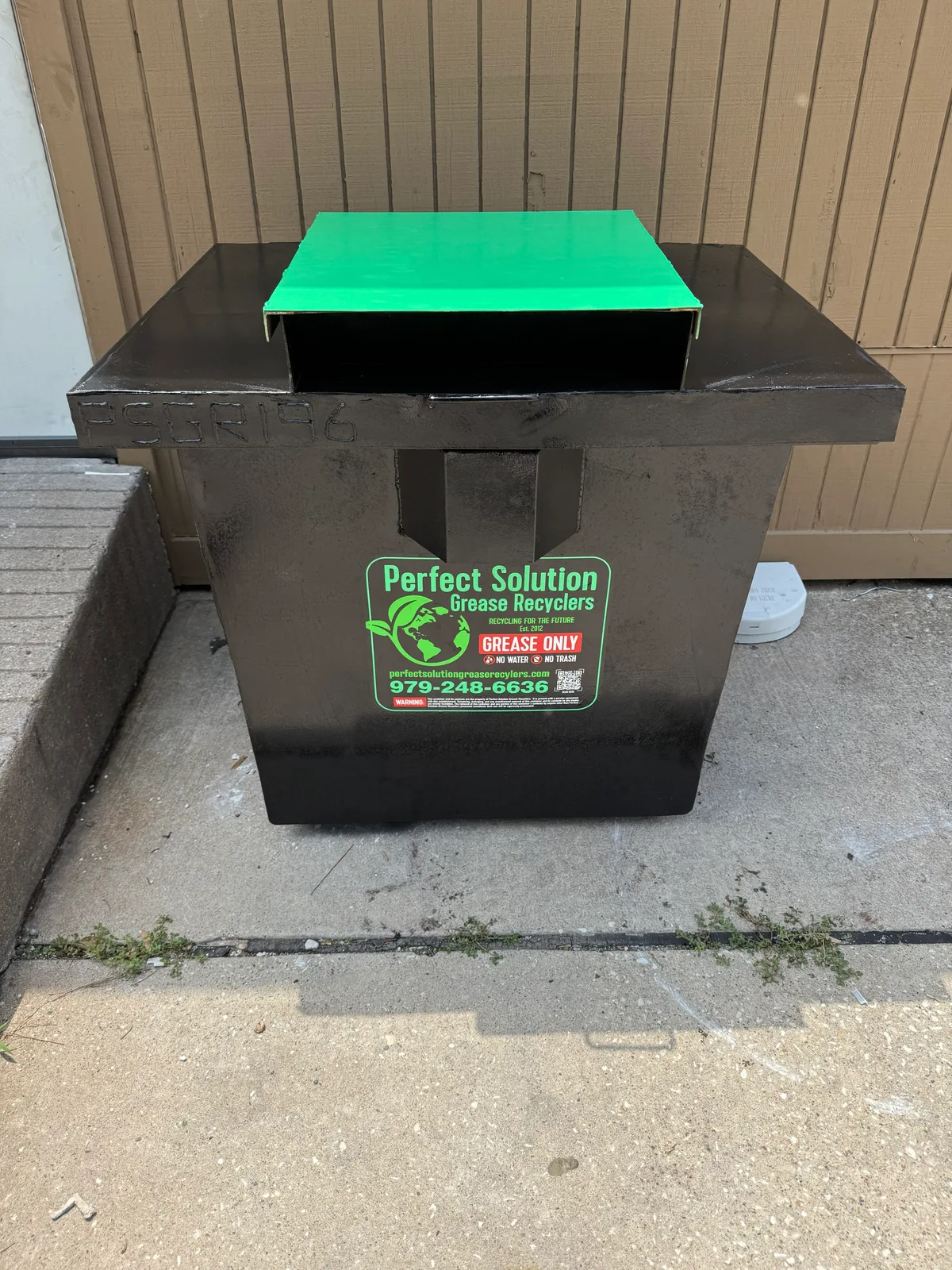
Some kitchens need cleanouts monthly, others quarterly. The more you cook with oil and grease, the more often you’ll need service. Perfect Solution Grease Recyclers handles scheduled pickups based on your actual volume, so you’re not paying for service you don’t need or falling behind on maintenance you do.
How to Prepare for Installation Day
Before your plumber arrives, clear the area where the container will be installed. Remove clutter, products, and anything else that might get in the way.
Let your whole kitchen team know installation is happening. Walk them through where the new system will be and how it changes their routine, if at all.
Have your kitchen specifications ready, including drain locations, sink positions, and any previous plumbing issues. This information helps the plumber make the right choice.
Common Installation Mistakes to Avoid
The biggest mistake is installing a container that’s too small for your volume. It fills up quickly, becomes ineffective, and leaves you scrambling for emergency maintenance.
Another mistake is poor placement. A container installed in the wrong spot won’t capture grease effectively, and you end up with the same drain problems you were trying to prevent.
Don’t skip the professional installation either. DIY grease container setups almost always fail because they don’t account for code requirements and proper drainage dynamics.
Choosing the Right Container Size
Container size depends on your kitchen’s volume of grease production. A small sandwich shop needs something different from a high-volume steakhouse.
Your plumber will estimate based on your equipment, cooking methods, and daily throughput. They might recommend a smaller under-sink trap with scheduled maintenance, or a larger interceptor that handles more volume between cleanings.
The right size is one that captures your actual grease output without requiring constant maintenance or frequent overflow issues. It should fit your budget and your operational reality.
Working With Experienced Grease Recyclers
Once your container is installed, you need reliable pickup and maintenance. Perfect Solution Grease Recyclers provides professional used cooking oil collection and recycling services for restaurants and commercial kitchens across Texas. They manage scheduled pickups based on your volume, so your container stays functional and your kitchen stays clean.
Related: Grease Recycling Container Sizes for Restaurants
Related: Commercial Kitchen Grease Collection in Austin: Complete Guide
Related: Reliable Grease Collection for Austin-Area Restaurants: Complete Guide
Related: Commercial Fryer Oil Pickup in San Antonio: Complete Guide
Beyond just removal, proper recycling of your used cooking oil means you’re not creating waste, you’re creating value. It’s a better solution than impersonal large waste management companies that treat your operation like just another account number.
How often should I get my grease container cleaned?
Cleaning frequency depends on your volume. Busy restaurants might need monthly or bi-weekly service, while slower operations might go quarterly. Your plumber and grease recycler can help you figure out the right schedule based on how fast your container fills up.
Can I install a grease container myself?
Not if you want it to work properly and meet code requirements. A licensed plumber understands drainage dynamics, local regulations, and how to integrate the system with your existing plumbing. DIY installations almost always fail.
What happens if I don’t install a grease container?
Grease flows down your drains, solidifies, and creates blockages. Over time, you’ll face backed-up sinks, slow drains, and expensive emergency plumbing repairs. Some municipalities also fine businesses that discharge grease into the municipal sewer system without proper containment.
What’s the difference between a grease trap and a grease interceptor?
Grease traps are smaller, usually under-sink units designed for lower volumes. Grease interceptors are larger systems that handle higher volumes and are often installed in-ground or externally. Your plumber will recommend based on your kitchen’s needs.