Find the right grease container size for your restaurant. Learn common dimensions, capacity options, and how to choose based on your kitchen’s daily volume.
When you’re running a restaurant, used cooking oil adds up fast. Choosing the right grease recycling container size isn’t just about convenience—it affects your kitchen workflow, storage space, and how often you need pickups. The good news is that container options are designed to fit almost any restaurant operation, whether you’re a small cafe or a high-volume kitchen.
Let’s walk through the most common sizes, what they hold, and how to figure out which one makes sense for your business.
Common Grease Recycling Container Sizes for Restaurants
Most restaurants work with a handful of standard container dimensions. These sizes balance practical storage with realistic daily oil output.
Related: Restaurant Used-Oil Recycling with Container Service: Full Guide
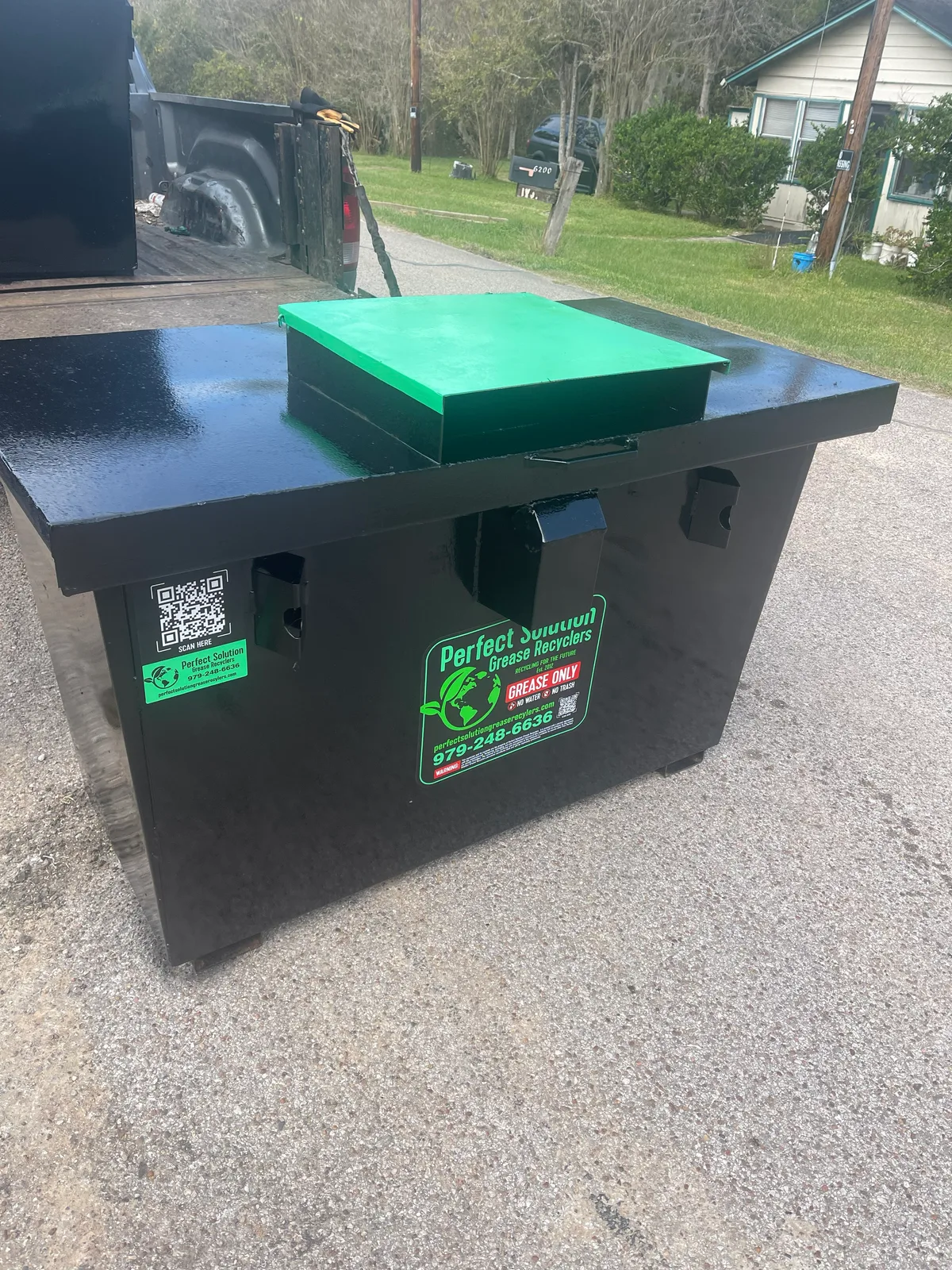
2x3x3 containers are on the smaller end. Think of these for cafes, small diners, or kitchens that fry occasionally. They’re compact and fit nicely in tight spaces, but they’ll fill faster if you’re deep-frying multiple items every shift.
2x5x3 containers are a middle ground and probably the most popular size for casual restaurants. They hold more than the smaller option but don’t take up half your back area. If you’re doing a steady volume of fried food—wings, fries, donuts—this size usually works well.
3x5x3 containers are for the busy places. High-volume restaurants with multiple fryers and constant frying activity need this capacity. You’ll still get regular pickups, but you won’t be scrambling to find emergency space or calling for extra collections mid-week.
Beyond those three, rolling containers become an option. These are bigger, wheeled units designed for restaurants generating serious amounts of grease. They’re easier to move around the kitchen and outdoor areas, which saves your staff from manually handling heavy containers.
Related: Commercial Kitchen Grease Container Installation Guide
How to Pick the Right Size for Your Kitchen
Container size should match your actual daily grease volume. The worst feeling is realizing your container will be full by Wednesday when your scheduled pickup isn’t until Friday—or worse, choosing something so large it takes up valuable kitchen real estate for months.
Start by thinking about your fryer use. How many times per day do you change oil or strain it? Are you running one fryer or three? Do you deep-fry as a core part of your menu, or is it a small side operation?
If you’re unsure, go slightly smaller rather than too large. You can always schedule more frequent pickups, and it keeps your kitchen cleaner and safer. Many restaurants find that scheduling pickups weekly or bi-weekly works better than trying to estimate and over-buy container capacity.
Also think about your outdoor storage setup. Can you fit a larger rolling container, or does your space limit you to smaller stacked containers? Do you have a dedicated grease collection area, or is it tucked behind the kitchen in a corner? Physical space constraints often matter more than volume estimates.
Leak-Proof Design and Safety
Whatever size you choose, make sure the container is genuinely leak-proof. Grease spills are slipping hazards, attract pests, and are just plain nasty to clean up. A proper recycling container should have a tight-sealing lid and, ideally, a secondary containment or drip tray underneath to catch any seepage during transport or storage.
Your health inspector will appreciate it. Your cleaning crew will appreciate it. And your liability will be lower when you’re not creating slip-and-fall risks in your parking lot or back alley.
Durable construction also matters. A container that dents, cracks, or loses its seal after a few months isn’t a bargain—it’s a headache. You want something that handles being wheeled around, knocked against doorframes, and exposed to outdoor weather without falling apart.
Indoor vs. Outdoor Container Placement

Some restaurants keep grease containers inside the kitchen in a designated spot. Others prefer storing them outside to keep odor and mess away from the dining and prep areas. Both setups have containers designed for them.
Indoor containers should be compact, odor-controlled, and positioned so they’re not a trip hazard. They’re usually smaller because kitchen space is premium real estate.
Outdoor containers handle weather exposure, pests, and temperature swings. They tend to be more rugged and often sit on concrete pads away from foot traffic. If you’re putting a container outside, make sure it’s accessible for pickup trucks but far enough from your entrance that customers aren’t walking past an oil station on their way in.
Matching Container Size to Pickup Schedules
How often do you want grease picked up? That’s tied directly to container size.
If you choose a smaller container and schedule weekly pickups, you stay in control and keep your space tidy. If you go larger, you might stretch to bi-weekly pickups, which means fewer trips and slightly less disruption to your operations.
The trick is finding balance. A restaurant that fills a small container every three days doesn’t want weekly pickups where the driver arrives to a partially full drum—that’s waste and inefficiency. On the flip side, picking a size so large that it takes two months to fill means you’re storing old oil, which degrades in quality and attracts more attention from pests and rodents.
Working with Perfect Solution Grease Recyclers means you get a schedule tailored to your actual output, not a one-size-fits-all calendar. They’ll help you figure out the right container size and pickup frequency so you’re not wasting space or scrambling to make room.
Setting Up a Grease Recycling Routine
Once you’ve settled on a container size and location, build a routine around it. Assign someone on each shift the job of making sure used oil gets into the container—not down the drain, not into the trash. A simple laminated sign above the container helps kitchen staff remember what goes where.
Check the container regularly so you know when it’s getting full and can plan for pickup timing. If you notice it’s filling faster than expected, that’s valuable information for adjusting your container size or schedule.
Keep the area around the container clean. Spilled grease, drips on the ground, and lids left open invite problems. A quick wipe-down during closing shifts keeps everything professional.
Compliance and Health Department Requirements

Health departments care about grease recycling because improper storage and disposal create safety and sanitation issues. Having a designated, properly sized, leak-proof container shows you’re taking it seriously.
Your health inspector wants to see that you’re not dumping oil down the drain (which clogs municipal pipes and costs cities money to fix), that your storage area is clean and organized, and that your recycling partner is legitimate and licensed.
Choosing the right container size and maintaining it actually helps you stay compliant without extra effort. It’s one of those things that works better when you do it right from the start.
Working With a Reliable Recycling Partner
The container you choose matters, but your recycling partner matters more. You need someone who understands your kitchen’s rhythm, arrives when they say they will, and handles the whole process professionally.
Perfect Solution Grease Recyclers delivers and installs the right container for your operation, manages scheduled pickups based on your actual volume, and pays you fairly for the oil you collect. They work across Texas and focus on reliability and personalized service—not treating restaurants as just another account number.
When you’re picking a container size, you’re also deciding on a partner who will be showing up at your back door regularly. That’s worth getting right.
Frequently Asked Questions
What if my restaurant’s oil output changes seasonally?
Many restaurants see volume swings between seasons or around holidays. Start with a container size that handles your average output, then build flexibility into your pickup schedule. If summer brings way more frying, you can request extra pickups for a few months. If winter slows down, you can adjust back. A partner that works with you on scheduling makes this easy instead of locking you into a size that doesn’t fit your reality.
Can I use one large container instead of multiple smaller ones?
Technically yes, but it’s often not the best move. One massive container takes up a lot of space and becomes harder for staff to maneuver. Multiple smaller containers are easier to manage, allow you to rotate them, and give you flexibility if one needs maintenance. Plus, if one gets damaged, you’re not completely dead in the water while repairs happen.
How do I know when my container is full?
Most containers have fill lines or you can simply look inside if the lid design allows it. Train your staff to check during closing or between shifts so you know when pickup should happen soon. This prevents overflow and keeps your kitchen safe. If you’re consistently surprised by how fast it fills, that’s a signal you might need to move up a size or increase pickup frequency.
What happens if I accidentally choose the wrong container size?
It’s not permanent. If you pick too small and it’s constantly overflowing, you can upgrade to the next size. If you go too large and waste space, you can downsize. Working with someone like Perfect Solution Grease Recyclers means you can adjust without drama—just ask to swap containers or adjust your pickup schedule. It takes a conversation, not a contract renegotiation.