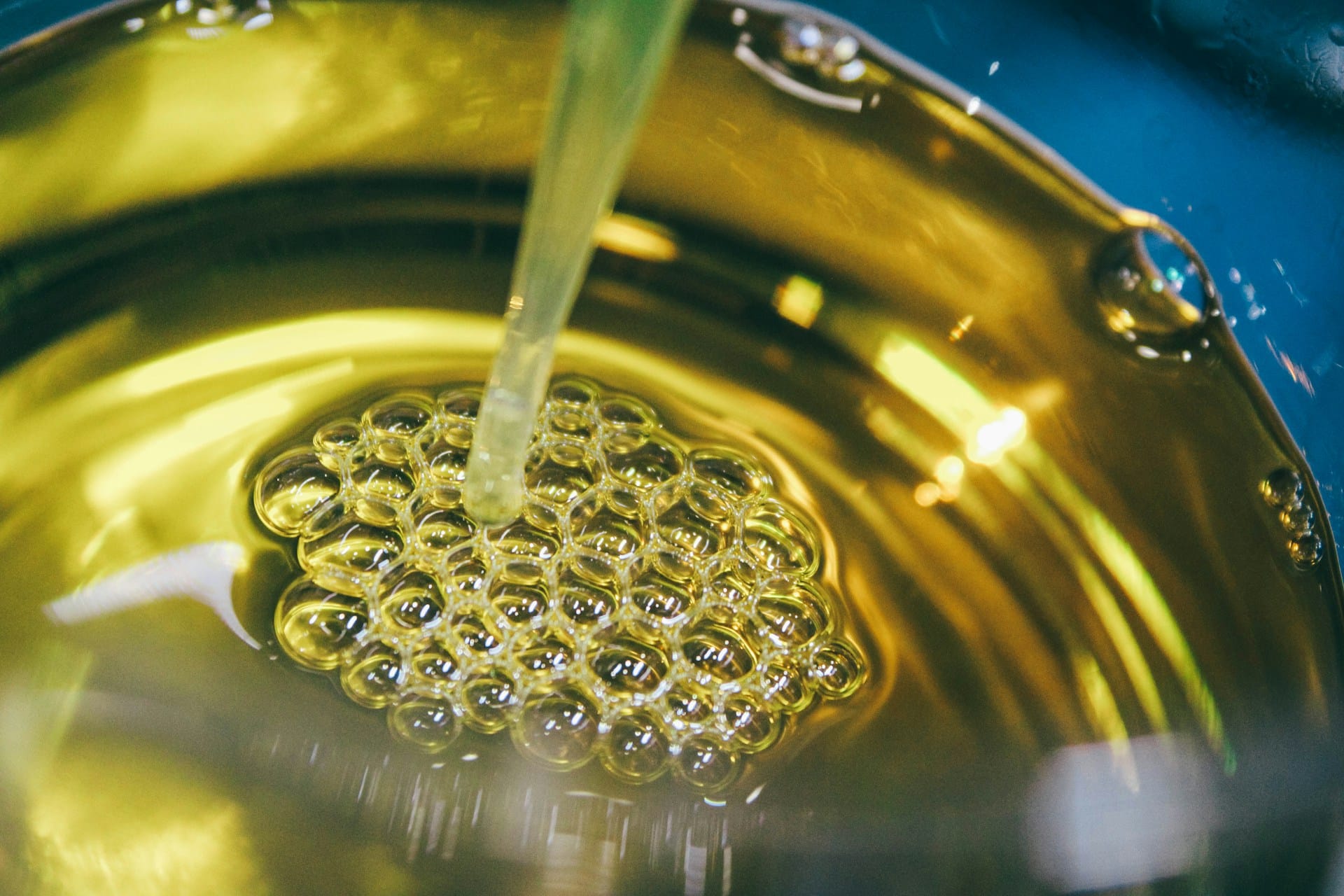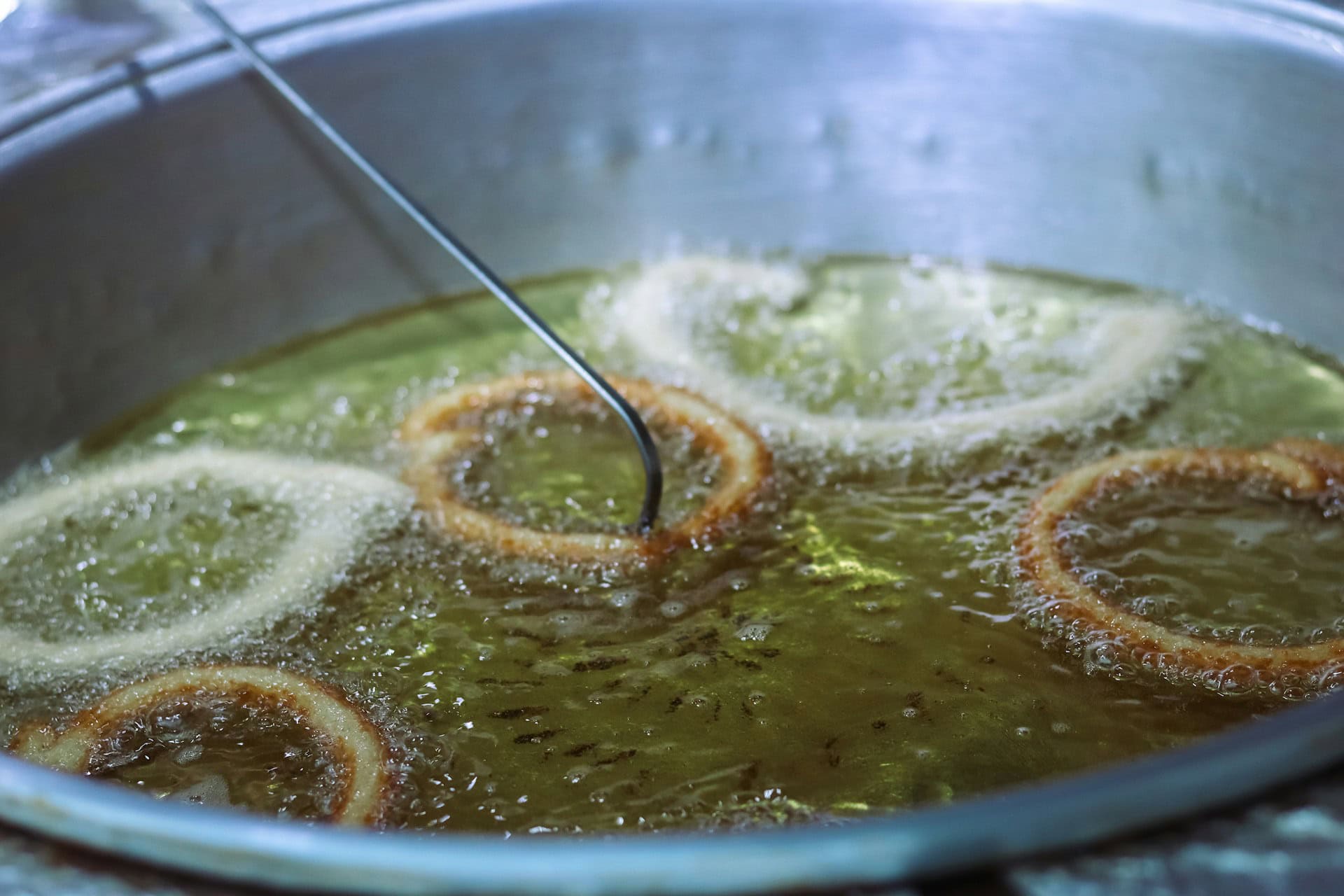

Every time your kitchen fries, sautés, or sears, you are creating more than great food. You are also building a steady stream of used cooking oil that can turn into real money for your business. When you understand how pricing works and what drives each used cooking oil cash payout, it gets easier to know if you are getting a fair deal.
Across Central and South Texas, from busy barbecue spots to Tex-Mex counters and food trucks serving long summer lines, higher ticket counts usually mean more used oil. That can be a big help during busy tourism months and holiday rushes. We will walk through what actually affects per-gallon rates, how to read offers, and how to confirm that you are getting fair market value instead of leaving money in the bin.
Turn Used Cooking Oil Into Reliable Cash Flow
Used cooking oil is not trash; it is a commodity. When it is handled well, it becomes a steady, predictable income line for your restaurant or commercial kitchen.
In high-volume Texas kitchens, especially during summer patio season and festival weekends, oil adds up fast. The more you fry and cook, the more gallons go into your collection container. That volume has real value when it is collected, processed, and sold into other industries.
When you treat used oil as a resource instead of a problem, you can:
- Add a recurring revenue stream without changing your menu
- Reduce headaches around messy storage or surprise spills
- Support cleaner fuel markets that use your oil as a feedstock
The key is knowing what affects the price you get per gallon and how to compare offers in a clear, simple way.
What Makes Your Used Cooking Oil Worth More or Less
Not all used cooking oil is equal. A few everyday habits inside your kitchen can raise or lower your payout, even if you do not see it happening.
Oil quality and contamination
Cleaner oil is worth more. When your container is full of water, food scraps, and trash, that material has to be removed and discarded, which cuts into the value.
Grease recyclers prefer:
- Less water from dish sinks or mop buckets
- Fewer food solids like fries, chips, or batter
- No trash such as gloves, plastic wrap, or cardboard
Keeping lids closed and training staff not to toss waste into the oil container helps protect your per-gallon rate.
Volume and consistency of pickups
Higher and steadier volume usually supports stronger pricing. Busy restaurants, hotel kitchens, and year-round food trucks often generate enough oil to qualify for better offers, especially when their fill levels are predictable.
It helps when:
- Your container fills at a fairly steady pace
- Seasonal spikes, like summer tourism or holidays, are somewhat predictable
- Pickups are scheduled to match real fill levels, not constant emergencies
Reliable generation lets recyclers plan efficient routes, and those savings often show up in the rates they can offer.
Market demand and end products
Most collected oil is turned into biodiesel and other industrial products. That means your payout is linked to demand from fuel, transportation, and agricultural markets. When demand is healthy, pricing tends to be stronger.
Central and South Texas are close to several processing and fuel hubs, which can be a plus. Shorter transport distances and strong regional demand can help keep per-gallon offers competitive for local kitchens.
How the Texas Market Impacts Per-Gallon Rates
Location inside Texas matters more than many people think. It affects both what recyclers pay and what it costs them to provide service.
Regional competition and service coverage
In busy metro areas with many recyclers, you may see more transparent pricing and a wider range of offers. In remote or rural areas, there might be fewer providers, and longer route miles can influence what they can pay.
Seasonal and fuel price swings
Summer driving often pushes fuel demand higher. When diesel prices rise, collection costs go up too, which can impact what recyclers are able to pay for used oil. At the same time, fuel markets may raise the value of the finished products your oil helps create.
In long, hot Texas summers, quick, efficient routes and timely pickups also matter for safety and cleanliness. That routing balance shows up in how each provider thinks about rates.
Local regulations and compliance costs
Cities and counties may have rules around grease disposal, grease traps, and spill prevention. Compliant, insured recyclers build those costs into their operations. While that can affect pricing, it also helps protect your business from fines, plumbing issues, or environmental problems linked to improper handling.
Calculating a Fair Used Cooking Oil Cash Payout
A posted per-gallon rate is only part of the story. What matters is what lands on your check.
Understanding per-gallon vs total payout
You should know:
- The per-gallon rate the recycler says they pay
- The number of gallons they say they collected
- Any fees, deductions, or special charges
Tracking your own oil usage and pickup history helps you estimate what a fair used cooking oil cash payout should look like for each visit.
Reading agreements and invoices
A clear invoice makes it easier to trust the numbers. At a minimum, you should see:
- Gallons collected
- Per-gallon rate
- Service date and location
- Any surcharges, credits, or adjustments
Red flags include missing volume details, vague “adjustments,” or rates that change without any written notice.
Comparing offers the right way
When you compare recyclers, line up the details side by side:
- Per-gallon rate
- Container size and type
- Pickup frequency and flexibility
- Any service or environmental fees
The best payout usually comes from a mix of solid rates, clean and safe collection, and reliable, on-time service.
Simple Ways to Boost Your Per-Gallon Rate
You can often improve your pricing with a few simple changes inside your kitchen and out by the container.
Improve your oil handling and storage
- Train staff not to dump food scraps, water, or trash into the oil
- Use proper transfer tools so hot oil goes straight from fryer to container
- Keep lids closed when not in use to limit rain, pests, and debris
Right-size your containers and pickup schedule
If your container is too small, you may deal with overflow and emergency calls. If it is too large, oil may sit too long.
Try to:
- Match container size to your real monthly volume
- Align pickup timing with normal fill levels
- Adjust schedules before your known busy seasons
When recyclers can count on well-filled containers and fewer emergency stops, they are often better positioned to offer strong per-gallon rates.
Build a long-term partnership with your recycler
Stable, long-term relationships help both sides. When a recycler understands your business cycles, they can fine-tune service and review pricing with you based on actual performance and market changes.
Periodic check-ins, especially before and after peak seasons, can open the door for loyalty-based rate reviews if your volume and oil quality have improved.
How to Verify You Are Getting True Fair Market Value
Fair market value does not have to be a mystery. A few simple checks can tell you a lot.
Use public benchmarks and multiple quotes
- Look at general commodity or biodiesel market trends
- Ask for written offers from more than one licensed recycler
- Compare those quotes to your current per-gallon rate
You do not need to be a market expert, just aware of the general direction of pricing.
- Ask the right questions before signing
- How do you set your pricing?
- How often do you review rates?
- Are there any fees or deductions?
- How do you measure gallons?
Transparent measurement methods, like metered trucks or documented tank readings, help you feel confident that the numbers on your check match what left your kitchen.
Watch for service value, not just the highest rate
A slightly higher rate does not help if you deal with missed pickups, spills, or compliance problems. Reliable service, quick support, and accurate paperwork are part of your total used cooking oil cash payout because they protect your time and your business.
When you understand market factors, protect oil quality, track volumes, and expect clear documentation, you put your kitchen in a strong position. That is how you lock in better returns from every drop of used cooking oil with a dependable partner handling the rest.
Turn Used Cooking Oil Into Instant Cash Flow
Turn your kitchen byproducts into a reliable revenue stream with our straightforward used cooking oil cash payout service. At Perfect Solution Grease Recyclers, we schedule pickups around your operation so you stay compliant and clutter free while getting paid. Reach out through our contact page so we can set up a custom collection plan that fits your volume and hours. Let us handle the grease so you can stay focused on running your business.