4 safe ways to dispose of used cooking oil in Texas. Learn about professional collection, recycling, and compliant storage for your restaurant.
Running a restaurant means dealing with a lot of used cooking oil. You can’t just dump it down the drain, and you can’t just throw it in the trash. So what are your actual restaurant cooking oil disposal options in Texas? There are at least four solid paths forward, and we’ll walk you through each one so you can pick what makes sense for your operation.
Option 1: Professional Grease Collection Services
This is the most hands-off approach, and honestly, it’s the one most restaurant owners prefer. You partner with a professional grease collection company that handles everything for you.
Here’s how it works: they deliver and install a secure storage container at your kitchen. When it fills up, you call or stick to a pre-arranged pickup schedule. They come out, collect your used oil, and haul it away safely. You don’t have to think about it again until the next pickup rolls around.
The best part? Perfect Solution Grease Recyclers operates across Texas and can set up a collection plan tailored to how much oil your restaurant actually uses. If you’re a high-volume operation, they can come more often. Smaller places might only need pickups every few weeks. They work around your schedule, not the other way around.
Related: How Often to Schedule Cooking Oil Pickups for Your Restaurant
Related: Restaurant Oil Recycling Payout Rates in Texas 2026
Related: Used Cooking Oil Pickup Schedule Options in Texas
Related: Used Cooking Oil Pickup for Food Trucks in Texas
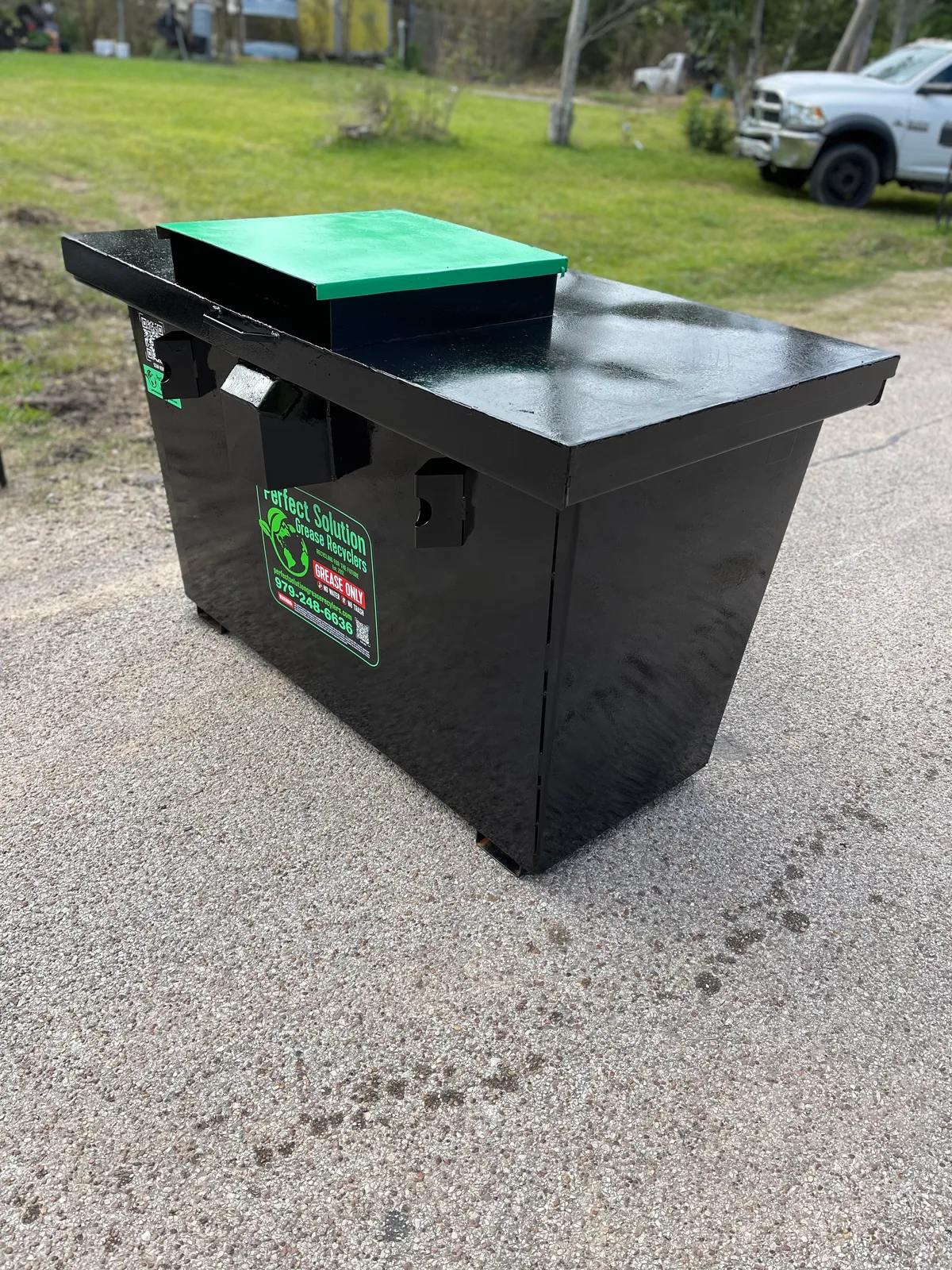
This method also keeps your kitchen safer and cleaner. No more manual handling, no spills, no regulatory headaches. The oil stays contained until it’s gone.
Option 2: Recycling Programs in Your Area
Your used cooking oil has real value. Many recycling facilities in Texas accept it because it can be repurposed for biodiesel, animal feed, or other industrial uses.
Related: Cooking Oil Recycling Service Near Me in Texas
To find a local recycling program, contact your city or county waste management department. They can point you toward facilities that accept used cooking oil. Some accept drop-offs during business hours, while others may require you to transport it yourself.
The catch? You’re responsible for safely storing and transporting the oil. That means getting containers, loading them, and driving them somewhere. For busy restaurant owners, that’s a lot of extra work that pulls you away from running your business.
If you’d rather have someone handle the recycling logistics for you, Perfect Solution Grease Recyclers collects your oil and ensures it gets recycled properly, so you don’t have to manage that process yourself.
Option 3: Grease Trap Pumping and Maintenance
This isn’t really a disposal method—it’s something you need to do regardless of which disposal option you choose. But it matters, so let’s talk about it.
Your grease trap catches oils and fats that accidentally go down the drain. If you never pump it, it backs up, clogs your lines, and creates a nightmare. Most restaurants need their traps pumped every 4 to 12 weeks, depending on volume and local regulations.
Find a licensed plumber or grease trap service provider in your area. They’ll pump it out and dispose of the trapped grease properly. This keeps your kitchen running smoothly and keeps you compliant with health codes.
Think of this as separate from your cooking oil disposal. You’re handling the oil that goes in your fryers separately, and the trap handles the accidental runoff.
Option 4: On-Site Storage and Manual Disposal

This is the DIY approach. You store your used oil in secure containers, and either you or your staff manually transport it to a disposal facility or recycling center.
You’ll need food-grade containers that don’t leak. Storage needs to be secure and away from direct sunlight. You’ll also need to make sure containers are labeled and stored properly to stay compliant with Texas environmental standards.
The downside? This takes up space in or around your kitchen. It’s manual labor for your team. You’re liable if there’s a spill. And you need to manage transportation, which eats into time and fuel costs.
Most restaurants don’t choose this option once they see how much easier professional collection is. But if you’re running on a tight budget and have the time and space, it’s technically possible.
Why Professional Collection Makes Sense for Most Restaurants
If you’re weighing your options, professional collection through a service like Perfect Solution Grease Recyclers tends to be the smart play for most restaurant owners and kitchen managers.
You get reliability. They show up on schedule. You get compliance handled. Everything meets Texas environmental and health code standards. You get your kitchen back. No oil sitting around, no spills, no storage headaches. And depending on your volume, you might actually get paid for your used oil instead of paying to get rid of it.
Plus, they treat your business like a partner, not just a ticket number. That personal service means they understand your kitchen’s needs and adjust pickups if your volume changes.
What to Look for in a Collection Service
If you decide to go the professional route, here are the things that matter:
- Flexible schedules: They should work around when your kitchen actually fills containers, not force you into a rigid schedule.
- Secure containers: The containers they provide should be food-grade, leak-proof, and properly labeled.
- Compliance: Make sure they handle all the regulatory requirements so you don’t have to worry about it.
- Fair pricing: Some services pay you for your oil based on current market rates. Others charge a fee. Understand the model before you commit.
- Local presence: Pick a company that actually serves your area and isn’t just a huge corporate outfit. Personal service makes a difference.
Getting Started With a Professional Service
When you’re ready to hand this off to a pro, reach out to a local collection service and ask about their process. They’ll want to know how much oil your restaurant generates per week and where you’re located in Texas.
From there, they’ll propose a pickup schedule and explain how they handle pricing. Many services like Perfect Solution Grease Recyclers can get you set up quickly so you can stop worrying about oil disposal and focus on running your kitchen.
What if my restaurant only generates a small amount of oil?
Professional collection still makes sense. Small operations might just need pickups once a month or less frequently. The convenience and compliance you get are worth it, even if your volume is low. Ask about their minimums or flexible scheduling to fit your actual needs.
Can I mix different types of cooking oil?
In general, yes. Vegetable oil, canola oil, peanut oil, and similar frying oils can be mixed in your storage container. But if you’re using specialty oils or have any doubt, ask your collection service before you combine them. They’ll tell you what they can and can’t recycle.
What happens to my used cooking oil after it’s picked up?
Professional recyclers like Perfect Solution Grease Recyclers typically resell or repurpose it. Used cooking oil has value in biodiesel production, animal feed, soap manufacturing, and other industrial applications. So your oil doesn’t go to waste—it gets a second life.
Do I need to clean containers before pickup?
No. Just make sure the lid is sealed and the container isn’t leaking. The collection service handles the rest. They’re equipped to manage the oil as-is.