Find flexible pickup schedules for used cooking oil across Texas. Weekly, biweekly, or custom options tailored to your kitchen’s needs.
If you’re running a restaurant or commercial kitchen in Texas, you already know that used cooking oil disposal shouldn’t be complicated. The good news is you have real options when it comes to scheduling pickups that actually fit your business. Let me walk you through what’s available and how to find the right schedule for your operation.
Understanding Your Used Cooking Oil Pickup Schedule Options in Texas
Used cooking oil pickup schedules in Texas typically come down to three main frequencies: weekly service, biweekly pickups, or custom schedules built around your specific needs. Which one works best depends entirely on how much oil your kitchen generates and how quickly your storage fills up.
Related: Used Vegetable Oil Pickup Without Long Contracts
Related: Schedule a Used Cooking Oil Pickup in Texas: Your Complete Guide
Related: Used Cooking Oil Pickup for Texas Restaurants: Complete Guide
Weekly pickups are ideal if you’re a high-volume operation. Think busy casual dining spots, takeout chains, or kitchens that fry constantly. You’ll never worry about your tanks overflowing, and your team stays focused on cooking instead of managing overflow.
Biweekly service works great for medium-volume kitchens. Maybe you fry certain items on certain days, or your menu doesn’t rely heavily on deep frying. Biweekly gives you breathing room while keeping things manageable.
Custom schedules are where things get flexible. If your oil production fluctuates with the seasons, or you need pickups on specific days to work around your operations, you can arrange exactly what you need. Perfect Solution Grease Recyclers specializes in this kind of personalized service, tailoring pickup frequency to match your actual usage patterns rather than forcing you into a one-size-fits-all box.
How to Schedule Your First Pickup
Getting started is straightforward. You’ve got a couple of direct options to explore.
First, contact your current trash and recycling provider. Some waste management companies now accept used cooking oil in their organics bins or offer dedicated pickup service for oil recycling. It’s worth a quick call to ask what they provide and whether it fits your budget and schedule.
If that doesn’t work out, reach out to a specialized used cooking oil recycler. Most operate through simple methods: you call to set up service, schedule your preferred pickup day and frequency, and they handle everything from there. Many also let you book or adjust your schedule online through a portal, which is handy if you need to make last-minute changes.
When you contact a provider, be ready to tell them roughly how much oil you generate each week or month. That helps them recommend the right schedule and container size for your kitchen.
What to Expect During Pickup Day
Professional pickup service should be clean and efficient. When your provider shows up, they’ll handle the collection process themselves. No mess left behind, no extra work for your kitchen staff.
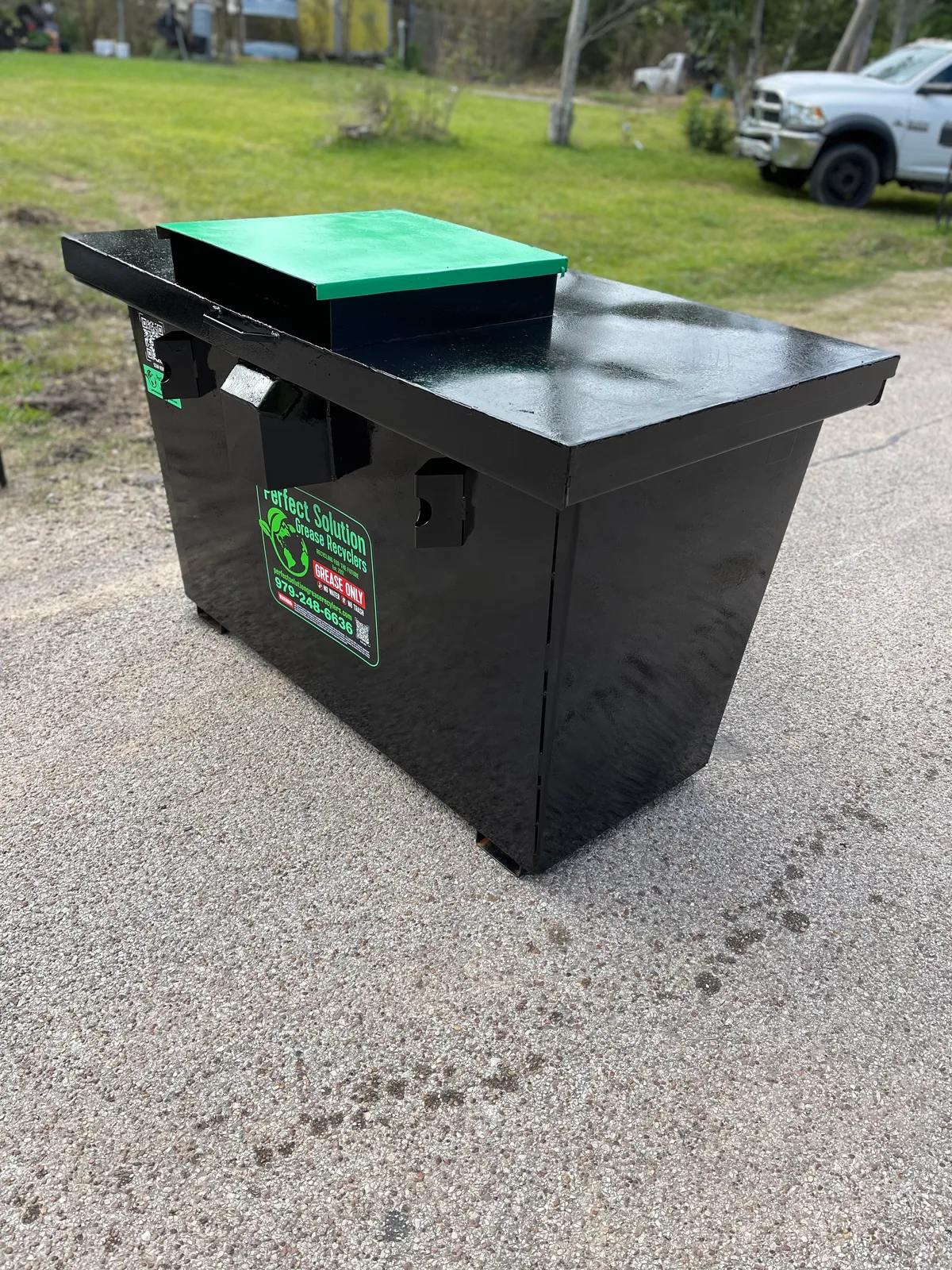
Most providers deliver and install dedicated storage containers for your used oil, so you have a designated spot that keeps things organized and tidy. They manage the complete disposal process, meaning you’re not hauling anything yourself or worrying about what happens to the oil after it leaves your kitchen.
A reliable service keeps your work area clean during collection and respects your kitchen’s operations. You shouldn’t have to reschedule your service; they should work around your business hours and busy times.
Finding the Right Schedule Match for Your Kitchen

The best schedule is the one that prevents your storage from ever overflowing while keeping pickup frequency reasonable for your budget and operations.
Here’s how to think about it: monitor how full your tank or container gets between pickups. If you’re regularly spilling over or stressed about capacity, you need pickups more frequently. If your container is only half full or less when pickup comes around, you might stretch to a longer interval.
Seasonal changes matter too. Maybe you fry heavier items in winter or your menu shifts with the season. A flexible provider can adjust your schedule to handle those shifts without locking you into a contract that doesn’t match your actual needs.
When you’re evaluating providers and their options, ask whether they’ll work with you to fine-tune the schedule after your first few pickups. The best providers understand that you’ll learn what works as you go, and they’re willing to adapt.
Getting Started With Flexible Pickup Service
Ready to lock in a pickup schedule that actually works for your kitchen? The process starts with a conversation about your oil volume and your preferred frequency.
Perfect Solution Grease Recyclers handles used cooking oil collection and recycling across Texas with schedules built around your kitchen’s rhythm, not the other way around. Reach out to discuss which frequency makes sense for your operation, and they’ll walk you through the options and get everything set up.
Your pickup schedule should be one less thing to stress about. When you find a provider that’s willing to work with your actual needs instead of forcing a rigid plan, your whole operation runs smoother.
People Also Ask
Can I adjust my pickup schedule if my oil production changes?
Yes. Most professional providers, including those offering customizable service, are happy to adjust your schedule based on seasonal changes or shifts in your menu. Let your provider know when your needs change, and they can modify the frequency without hassle.
What if I miss a scheduled pickup?
Contact your provider as soon as you know. Professional services are usually flexible and can reschedule. Just give them enough notice so they can work it into their route. Avoid letting multiple pickups stack up, as that can overflow your container.
Do I need a separate container for used cooking oil?
Yes. Most providers deliver and install a dedicated storage container for your used oil. This keeps things organized, prevents contamination, and makes pickups efficient. Your provider handles all of that during setup.
How do I know if weekly or biweekly pickup is right for me?
Start with your best estimate of weekly oil volume. If you generate a lot of high-volume fryer usage, weekly usually makes sense. For moderate fryers or limited frying, biweekly works fine. After a few pickups, you’ll have a clear picture of what your kitchen needs. Your provider can recommend an adjustment if the schedule isn’t quite right.