Restaurant used oil collection frequency depends on your frying volume. Learn the right pickup schedule for your kitchen’s needs and boost efficiency.
The short answer? Most restaurants should collect used cooking oil every 1 to 5 days, depending on how much you fry and what you’re frying.
But here’s the thing—that’s a pretty wide range. The real answer depends on your specific operation. A burger joint that fries beef patties all day looks totally different from a steakhouse that barely touches the fryer. Your collection frequency should match your actual volume, not some one-size-fits-all schedule.
Let’s break down what actually matters when you’re figuring out the right pickup schedule for your kitchen.
Factors That Determine Your Oil Collection Frequency
Your collection schedule comes down to a few real-world factors. Think of them as the variables that shape how quickly your oil gets used up and when it needs to go.
Daily Frying Volume
This is the biggest one. A high-volume operation frying 200+ pounds of food per day will burn through oil way faster than a casual restaurant that fries a few appetizers during dinner service. If you’re running fryers from lunch through late dinner, you’re filling up tanks quicker than a place that only fries during one shift.
What You’re Frying
Breaded and battered items break down oil faster than plain protein. Fried chicken, fish, or anything with a coating? Your oil degrades quicker. That means more frequent changes and more frequent collections. Plain steak fries or vegetables? You’ll get longer life out of each tank.
Oil Quality and Care
If you’re filtering your oil regularly and keeping your fryers clean, your oil lasts longer between changes. Neglected fryers and no filtering? Your oil quality drops faster, so you change it more often, which means more pickups.
Related: Used Cooking Oil Disposal vs. Recycling: Which Pays You More?
Storage Space
Do you have room for two 55-gallon drums, or just one? Some restaurants operate in tight kitchens and need frequent pickups to stay on top of storage. Others have dedicated holding areas and can go longer between collections.
Related: Used Cooking Oil Recycling Containers for Restaurants
Setting Up a Fixed Collection Schedule
Here’s what we recommend: pick a consistent schedule and stick to it. The best oil collection systems use a fixed pickup routine rather than calling for service whenever you happen to fill up a tank.
Why? Consistency makes everything easier. Your staff knows when to expect the pickup. You’re not managing ad-hoc calls. Your oil gets removed on a predictable timeline. You avoid overfilled tanks sitting in your kitchen. And if you’re getting paid for your oil, a steady schedule means steady income.
Most restaurants fall into one of these patterns:
- Once a week – Works for light-to-moderate volume operations that fry occasionally
- Twice a week – Right for medium-volume kitchens with regular frying throughout service
- Three times a week – Needed for high-volume operations or restaurants frying heavily breaded items
- Every other day or daily – Only for very high-volume operations, usually chains or large commercial kitchens
Your collection service should work with you to find the sweet spot. If you’re unsure where you fall, start with twice-weekly pickups and adjust from there.
Signs You Need More Frequent Collections
Sometimes you’ll realize your schedule isn’t matching your reality. Here are the red flags that you need pickups more often:
- Your storage tanks fill up before the next scheduled pickup
- You’re creating backup grease that piles up in side containers or buckets
- Kitchen space is getting crowded because oil containers are taking up room
- Your fryer quality is declining noticeably between changes
- Your staff is frustrated about managing overflow
If any of these sound familiar, you need a more frequent collection schedule. Overfilled tanks create safety issues, take up valuable kitchen real estate, and just make work harder for your team.
The Business Case for Regular Collections

There’s a money side to this too. If your restaurant qualifies to be paid for used cooking oil, a consistent collection schedule means consistent payouts. You’re not sitting on tanks of oil hoping someone picks them up—you’re on a predictable rotation that generates regular income.
Regular collections also protect your kitchen operations. You’re not worrying about overflow, your fryers stay cleaner longer, and your staff can focus on cooking instead of managing grease logistics.
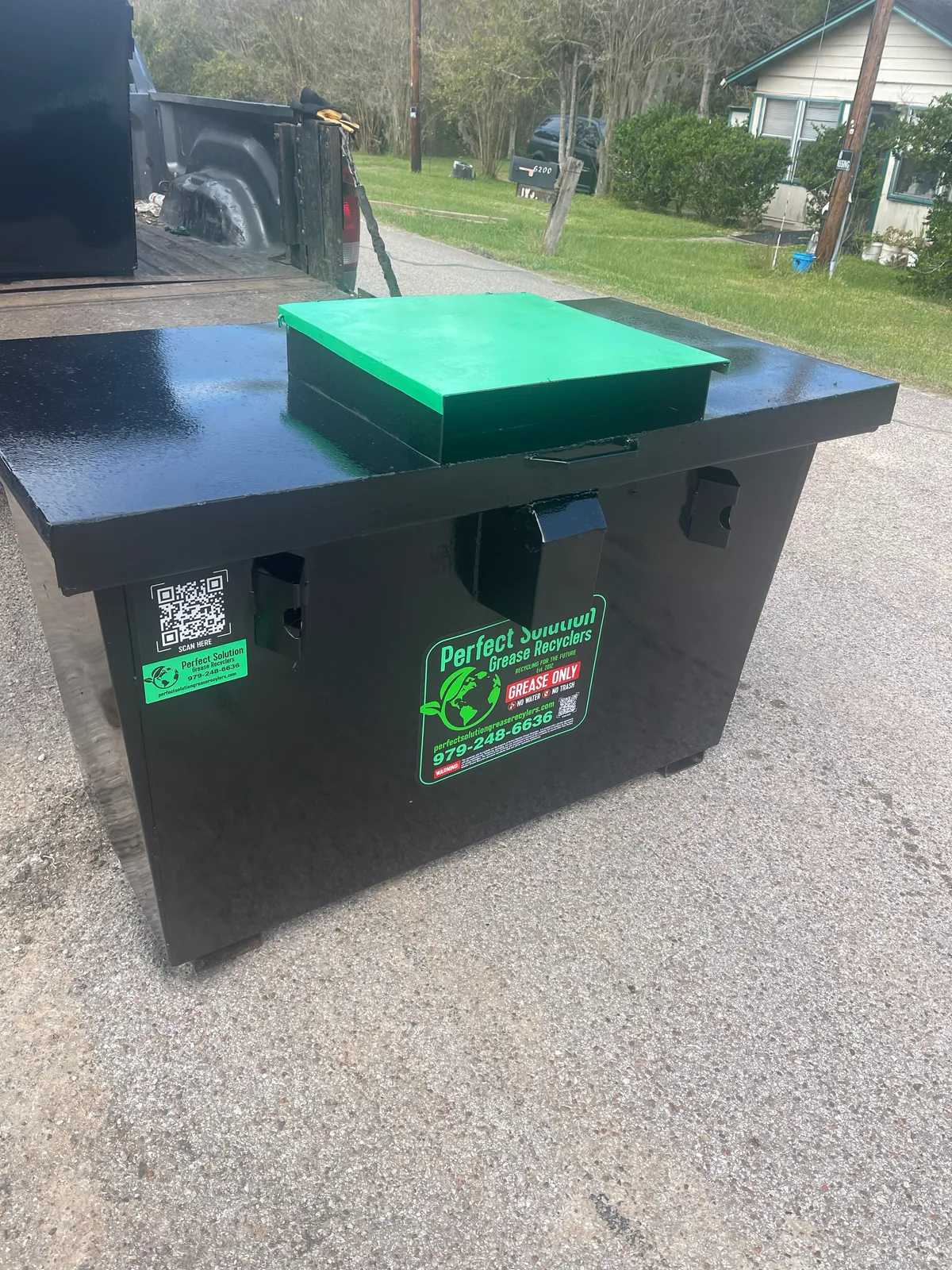
Professional collection services handle the whole operation for you. They deliver and install dedicated storage containers, show up on schedule, handle the heavy lifting, and manage the disposal responsibly. If you’re in Texas and want to skip the guesswork, Perfect Solution Grease Recyclers can set up a pickup schedule that matches your volume exactly.
Related: Used Cooking Oil Pickup Schedule Options in Texas
How to Track Your Oil Usage and Adjust Your Schedule
Don’t just guess. Pay attention to your actual numbers for a few weeks.
Track how long it takes to fill each storage tank during normal operations. Does your 55-gallon drum fill up in 3 days? A week? Two weeks? That’s your data. Once you know the pattern, you can set a collection schedule that stays ahead of the curve without being wasteful.
If you’re working with a collection service, they’ll help with this. They’ll observe your volume, suggest a frequency, and stay flexible if your needs change seasonally or if you adjust your menu.
Common Collection Frequency Mistakes
We see restaurants get this wrong in a few ways.
Picking a collection schedule that’s too infrequent is the biggest mistake. You end up with overflow, kitchen mess, and stress. Going too long between pickups also means your oil sits around longer, which isn’t great for quality or safety.
On the flip side, scheduling pickups way more often than you need wastes money and creates extra logistical headaches. You’re coordinating pickups when your tank isn’t even half full.
The fix is simple: match your collection frequency to your actual frying volume. Not your wishful thinking about volume. Not what another restaurant does. What you actually generate, week to week.
Working With a Professional Collection Service

This is where the guesswork stops. A professional service like Perfect Solution Grease Recyclers brings experience. They know restaurant operations. They can assess your kitchen, recommend a realistic pickup frequency, deliver the right storage setup, and handle everything on a schedule that works for you.
You’re not managing collections yourself. You’re not calling around looking for someone to pick up. You’ve got a partner who shows up, does the work, and lets you focus on running your restaurant.
What makes professional collections different?
They come on schedule. They manage the containers. They handle the logistics. They understand that your kitchen’s rhythm is unpredictable sometimes, and they build flexibility into the plan. They’re not some faceless waste management company—they’re people who know your business and treat you fairly.
Getting Started With the Right Collection Schedule
Start by being honest about your volume. Count how many hours you run your fryers each day. Estimate what you’re frying. Think about your kitchen space and how much backup storage you have.
Then pick a starting frequency—twice a week is a safe middle ground for most restaurants—and monitor what happens. If tanks fill faster, bump up to three times. If you’re barely using them, scale back to weekly.
Or skip the trial-and-error phase. Contact a professional service that can assess your operation and recommend the right schedule from day one. A partner like Perfect Solution Grease Recyclers across Texas can set you up with containers, a pickup schedule tailored to your volume, and competitive payouts for your oil.
Frequently Asked Questions
Can I go longer than 5 days between oil collections?
Technically, yes, but we don’t recommend it for most restaurants. Oil quality degrades over time, and storing large volumes creates safety and space issues. If you’re frying heavily, sticking to a 5-day maximum keeps your fryers running better and your kitchen cleaner. Very light-volume operations might stretch to 7-10 days, but that’s the exception.
What happens if I miss a scheduled pickup?
Your oil keeps sitting in storage, taking up space and risking quality issues. If you know you’ll miss a pickup, call your collection service to reschedule. A reliable service like Perfect Solution Grease Recyclers will work with you to find an alternate time rather than letting your kitchen back up.
Does seasonal change affect collection frequency?
Yes. Summer might bring higher volume because of patio service or increased tourism. Winter might be slower. A good collection partner will adjust your schedule based on what your kitchen is actually doing, not just stick to the same routine all year.
How do I know if my collection frequency is wrong?
Pay attention to your storage. If tanks are consistently full before pickup day, you need more frequent collections. If they’re barely half-full, you can probably go longer. Ask your collection service for feedback too—they see dozens of kitchens and can spot patterns you might miss.