Find your ideal cooking oil pickup frequency based on volume, container size, and kitchen type. Get a custom schedule that works for your restaurant.
The answer depends on how much used cooking oil your kitchen generates each week, not a fixed calendar date.
Most restaurants fall into one of three categories: high-volume kitchens that need weekly or twice-weekly pickups, moderate-volume operations that run fine on biweekly schedules, and lower-volume spots that can go longer between collections. The key is matching your pickup frequency to your actual oil output and storage capacity.
Let’s walk through how to figure out what works best for your operation.
Schedule Based on Your Weekly Oil Volume, Not the Calendar
Forget picking Tuesday for your oil pickup just because it sounds good. Your real schedule needs to be based on how many gallons of used cooking oil your kitchen produces each week.
Related: Used Cooking Oil Pickup Schedule Options in Texas
Start by tracking how full your storage container gets over a typical seven-day period. If you’re running five or more fryers regularly, you’re probably generating a lot of oil fast. If you’ve got one or two fryers and a smaller kitchen, your volume is lower.
Volume-based scheduling keeps you from overfilling containers (which is a safety and compliance headache) and from having pickups when your tank is barely half full (which wastes everyone’s time). Perfect Solution Grease Recyclers works with you to nail down a schedule that matches your real output, not some generic template.
High-Volume Kitchens Need Weekly or Twice-Weekly Pickups
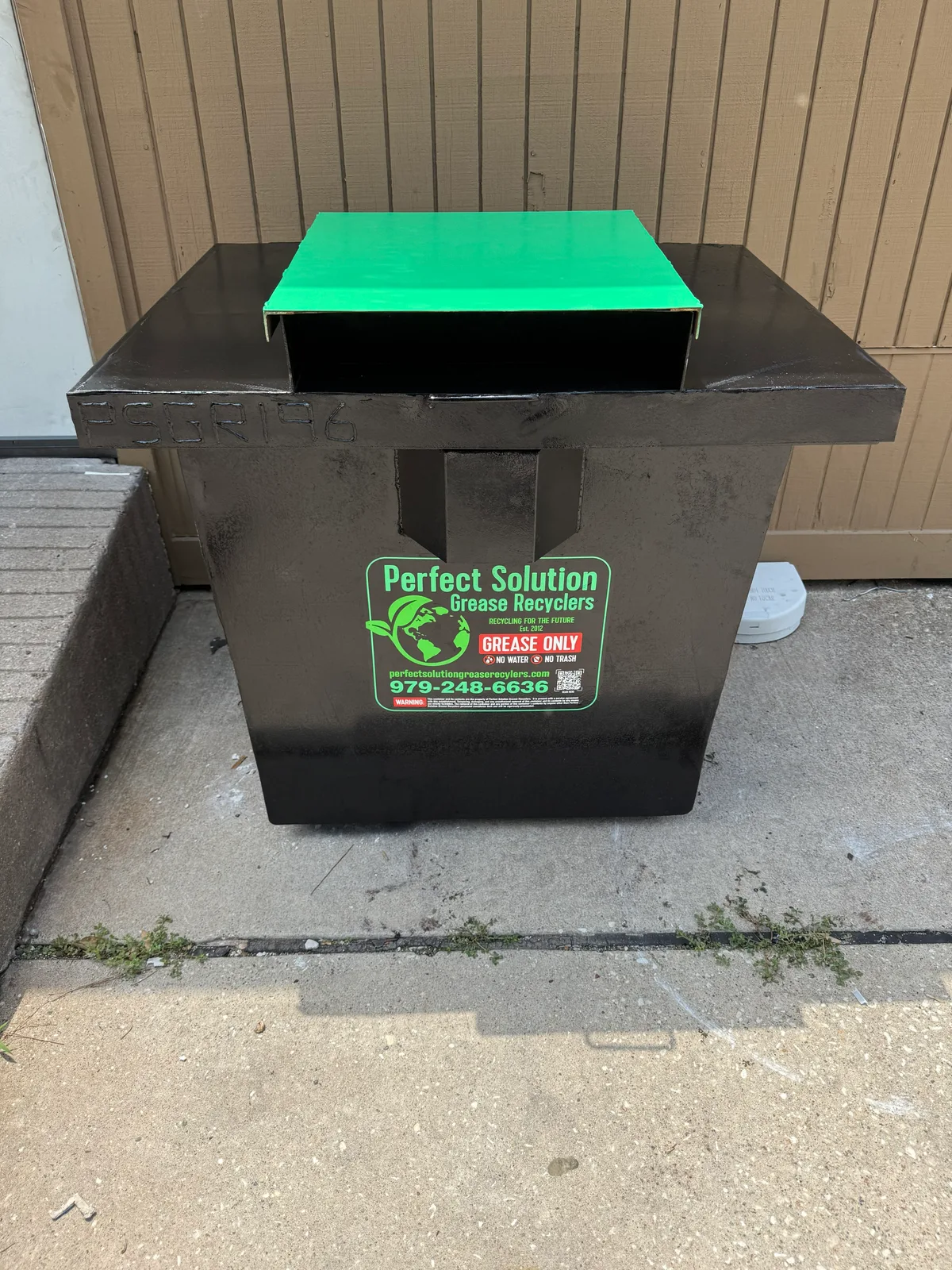
If you’re a busy restaurant, quick-service operation, or high-output kitchen generating more than five fryers’ worth of used oil per week, you’re looking at weekly pickups minimum.
Some kitchens run so hot they need twice-weekly service. This is especially common during peak seasons or if you’ve got multiple fryer stations going constantly.
The upside: you never have to worry about overflow, your storage area stays clean and organized, and you’re not stuck with old oil sitting around. The downside is you need a service provider flexible enough to handle that frequency.
Moderate-Volume Kitchens Work Best on Biweekly or Monthly Schedules
Most restaurants fall into this middle ground. You generate steady oil volume but not so much that you’re overflowing between pickups.
If you’ve got two to four fryers running regularly, biweekly pickup (every two weeks) is usually your sweet spot. You get enough time between visits for the container to fill up meaningfully, but you’re not sitting on weeks-old oil.
Some moderate-volume kitchens can stretch to monthly pickups if they’ve got decent storage space and their volume stays consistent. Just watch your container fullness every few days to make sure you’re not catching yourself off guard.
Low-Volume Kitchens Can Go Longer Between Pickups
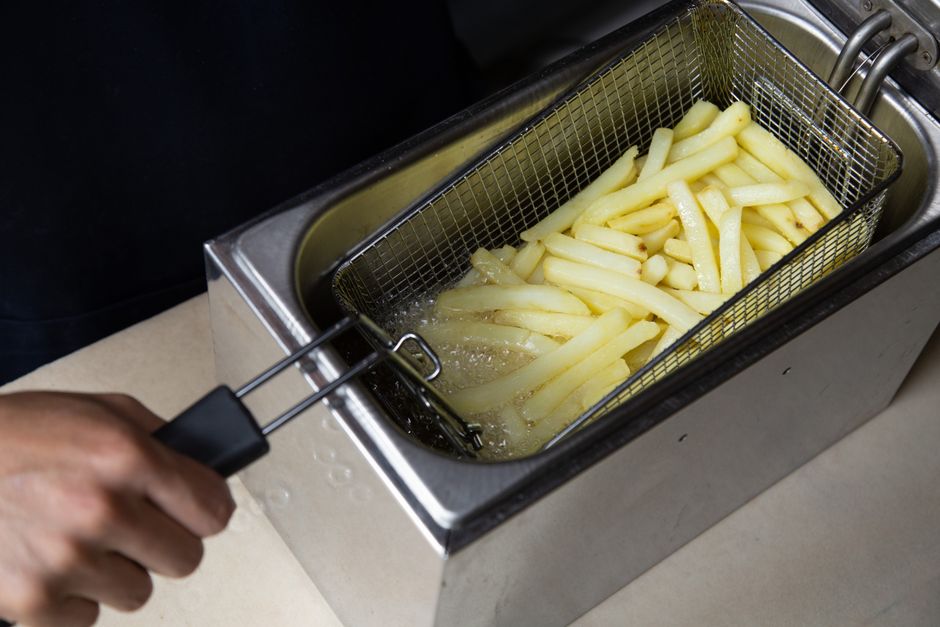
Small cafes, fine dining spots with smaller fryer operations, or kitchens that use fryers sparingly might only fill a container every three to four weeks.
If that’s you, monthly or even longer intervals work fine. The tradeoff is you need to be comfortable storing oil safely for a longer period and monitoring that your container doesn’t exceed capacity.
Factor in Your Storage Space and Container Size
Your available storage area directly affects how often you need pickups.
If you’ve got limited space behind the kitchen or your storage area is already tight, you might need more frequent pickups even if your volume would technically allow for longer intervals. Cramming a full oil container into a tiny space creates safety issues and makes your kitchen feel chaotic.
Container size matters too. A larger container lets you go longer between pickups, but you need the physical space to store it. A smaller container requires more frequent service but takes up less room.
Different Restaurant Types Have Different Oil Patterns
A fast-casual chain burning through fried foods all day has a totally different oil footprint than a fine dining restaurant with one fryer for garnishes.
Quick-serve, chicken joints, donut shops, and casual operations generate a ton of oil. They almost always need weekly service, sometimes twice weekly.
Fine dining, bakeries, and restaurants that fry less frequently can usually operate on biweekly or monthly pickups. Knowing your restaurant type helps you estimate where you’ll probably land, even before you start tracking actual volume.
Seasonal Demand Changes Your Pickup Frequency

Many restaurants see volume swings throughout the year. Summer might bring outdoor events and higher customer traffic. Winter might slow things down.
Related: How Often Should Restaurants Collect Used Cooking Oil?
Don’t lock yourself into a rigid schedule. Talk with your oil pickup service about adjusting frequency when your business shifts. If you typically go biweekly but hit a busy season, you might bump to weekly for a few months, then drop back down when things normalize.
Flexibility here prevents overflow emergencies and keeps your costs reasonable year-round.
Maintain Consistency Once You Find Your Rhythm
Once you figure out your ideal pickup schedule, stick with it. Consistency helps your service provider plan routes efficiently, and it keeps your operation predictable.
That said, monitor your container regularly. If you notice it’s filling faster or slower than expected, don’t wait months to adjust. A quick conversation with Perfect Solution Grease Recyclers can get your schedule tweaked to match what’s actually happening in your kitchen.
Watch Your Container Fullness to Optimize Timing
The best way to dial in your perfect schedule is to actually track how full your container gets.
Keep an eye on it weekly. After a few weeks, you’ll see the pattern. Is it hitting three-quarters capacity right before your scheduled pickup? Perfect. Is it only half full? You might be able to stretch to longer intervals. Is it overflowing? You need to pick up sooner.
This hands-on monitoring takes the guesswork out of scheduling and helps you avoid costly mistakes.
Coordinate With Your Service Provider’s Availability
Your ideal schedule also needs to align with what your oil pickup service actually offers. Not every provider has the same pickup days or flexibility.
When you’re choosing a service, make sure they can accommodate your preferred frequency. If you need twice-weekly pickups and they only offer once a week, that’s a dealbreaker. If you want monthly service and they push weekly as minimum, you need to find someone more flexible.
Perfect Solution Grease Recyclers works across Texas and builds schedules around what your kitchen actually needs, not what fits neatly into a corporate route.
Getting Your Pickup Schedule Right From the Start
The biggest mistake restaurant owners make is guessing at their oil volume instead of actually measuring it. Don’t assume you know how much you’ll generate. Track it for two or three weeks first.
Once you’ve got real data, work with a pickup service that listens. Your schedule should flex when your business changes. You shouldn’t have to fight to get service adjusted when you need it.
How do I know if my kitchen generates enough oil to make regular pickups worthwhile?
If you’ve got at least one fryer running regularly, you’ve got enough volume. Even low-volume kitchens generate enough used cooking oil to make collection worthwhile. Talk to your service provider about minimum volumes or frequency options. Most providers work with restaurants of all sizes.
Related: Restaurant Cooking Oil Disposal Options in Texas
Can I switch my pickup schedule partway through the year?
Absolutely. Busy seasons might push you from biweekly to weekly, then back down when things slow. A flexible service provider handles this easily. Just give them a heads up when you’re expecting a change so they can adjust your route.
What happens if I miss a scheduled pickup?
Contact your service provider right away. They’ll either come out sooner or work with you to fit in an extra pickup. Missing a pickup can lead to overflow issues, so don’t let it slide. Communication is key.
Is it better to have frequent small pickups or wait for a full container?
It depends on your storage space and volume. Frequent pickups keep your area cleaner and reduce storage issues. Waiting for a full container is more efficient if you’ve got space. Find the balance that works for your kitchen’s size and output.