How often should you collect used cooking oil? It depends on your volume, not the calendar. Learn the right pickup schedule for your kitchen.
The answer to how often you should collect used cooking oil isn’t one-size-fits-all. It depends entirely on how much oil your kitchen generates, what type of food you serve, and how much storage space you have available. Let me break down what actually works for busy kitchens so you can stop guessing and start planning.
The Real Rule: Volume Drives Frequency, Not Calendar Dates
Forget fixed monthly pickups. The right collection frequency for your kitchen should match how fast you fill up your oil storage containers, not some arbitrary date on a calendar.
Here’s the simple truth: when your tank is full, it’s time to collect. When it’s not full yet, it’s not time. That’s it.
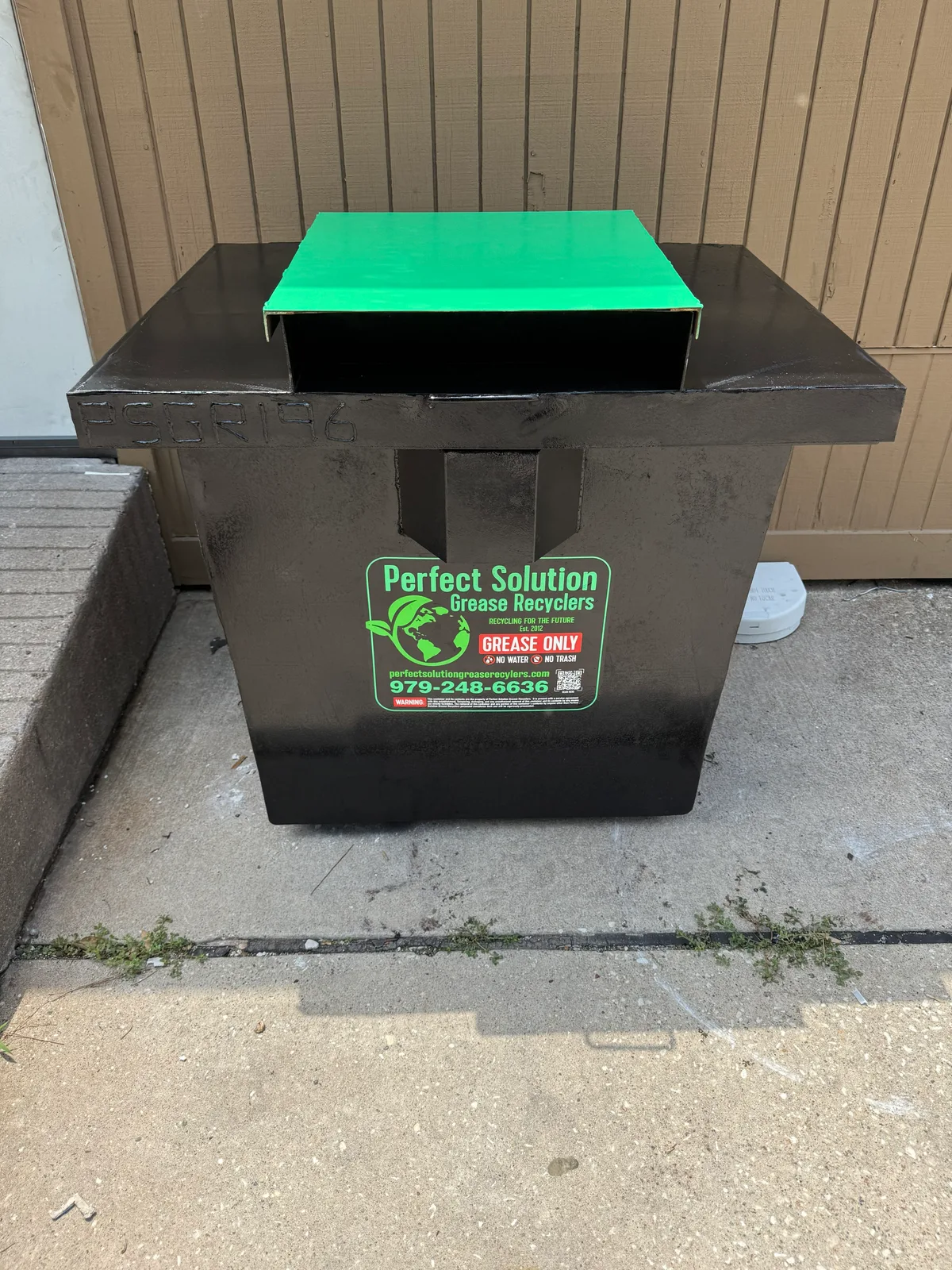
But obviously you need to plan ahead so you don’t run out of storage space mid-service. That’s where understanding your volume comes in. Perfect Solution Grease Recyclers helps kitchens figure out the right schedule based on what they actually generate, not what some generic template says they should generate.
Weekly or Twice-Weekly: High-Volume Operations
If you’re running 5 or more fryers per week, or you’re a quick-service restaurant pumping out fried chicken, wings, donuts, or fish and chips all day long, you need weekly or twice-weekly collection.
These kitchens fill tanks fast. Waiting longer than a week means risking a full tank when an unexpected lunch rush hits, or dealing with a storage overflow situation that nobody wants.
Seafood restaurants fall into this category too. Beyond the volume issue, stagnant used oil sitting in your tank for too long starts to smell, and that smell creeps into your dining area and your food. Weekly pickup keeps that problem from happening at all.
Biweekly: The Sweet Spot for Most Casual Dining
Casual dining restaurants, buffet-style operations, and kitchens that do a healthy volume but not crazy-high volume usually find that biweekly (every two weeks) works perfectly.
You fill your tank over fourteen days, it gets picked up, and you start fresh. No overflow risk, no odor buildup, no scrambling to find someone to collect your oil in an emergency.
This schedule gives you breathing room without letting oil sit around long enough to become a problem. It’s the Goldilocks zone for most restaurants.
Monthly or Flexible: Lower-Volume Kitchens

If you’re a smaller operation, a breakfast-only spot, or a kitchen that does limited frying, monthly pickup might actually be perfect for you. Some kitchens even do fine on every four to six weeks, or they use an on-call system where you just request a pickup when you’re getting close to full.
The trade-off is that you have to pay attention and call when you need service, rather than having a standing appointment. But if your volume is genuinely low, that flexibility might save you money and hassle.
What Actually Determines Your Ideal Schedule
Volume is the biggest factor, but it’s not the only one. Here’s what to think about:
- Tank capacity: A smaller tank fills faster, so you might need more frequent pickups even if your volume is moderate
- Restaurant type: Fast food and seafood need more frequency than casual dining or breakfast spots
- Seasonal changes: Some kitchens get way busier in summer or during holidays, which means more pickups those months
- Available storage: If you only have room for one tank and it’s not huge, you can’t go as long between collections
- Odor tolerance: Even if your tank isn’t quite full, oil sitting for weeks starts to smell. Monthly collection prevents that
How to Figure Out Your Perfect Frequency
Start by tracking how full your tank gets in one week. If it’s half full after seven days, you probably don’t need weekly pickup. If it’s three-quarters full or more, weekly is the right call.
Once you know your weekly volume, you can calculate backward. If your tank fills one-third of the way per week, biweekly makes sense. If it fills two-thirds, you’re looking at weekly.
The goal is to have your tank picked up when it’s reasonably full, not when it’s completely overflowing and not when it’s still got room for days more oil.
When you work with Perfect Solution Grease Recyclers, they help you dial in the schedule that actually fits your kitchen instead of making you guess. They’ve worked with hundreds of kitchens across Texas and know what frequencies work for different restaurant types and volumes.
Avoiding Common Frequency Mistakes

Don’t assume that because another restaurant has weekly pickup, you need it too. That place might be twice your size or do a completely different menu.
Related: Cooking Oil Collection for Restaurants & Food Trucks: A Complete Guide
Related: Dependable Cooking Oil Pickup for Commercial Kitchens
Related: Cooking Oil Collection Without Long-Term Contracts
Don’t go too long between collections just to save money. Stagnant oil in a full tank creates smell, attracts pests, and becomes harder to handle. More frequent pickup is usually the better choice than waiting it out.
Don’t set a pickup schedule and forget about it. Business changes. If your kitchen gets busier, you might need to bump up from biweekly to weekly. If you go through a slow season, you might be able to stretch it out temporarily.
Why the Right Frequency Matters More Than You Think
Getting collection frequency right isn’t just about logistics. It affects your storage space, your costs, your smell situation, and your ability to manage operations smoothly.
Too-frequent pickups waste money on extra service calls you don’t need. Too-infrequent pickups create overflow emergencies, odor issues, and operational headaches.
The sweet spot is when your collection schedule matches your actual usage. That’s when everything runs smoothly and you’re not throwing away money or creating problems for yourself.
Getting Your Schedule Dialed In
Start with your best estimate of how much oil you generate per week. Then propose a schedule based on that. Most professional collectors, like Perfect Solution Grease Recyclers, will adjust your frequency if it’s not working after a month or two. This isn’t permanent. You can change it.
The goal is finding the rhythm that keeps your kitchen running without creating problems or wasting money. For most busy kitchens, that’s weekly, biweekly, or monthly depending on volume. Seasonal adjustments are normal too.
Pay attention to when your tank starts getting full, how quickly you hit capacity, and whether you’re dealing with smell or overflow issues. Those signals tell you if your frequency needs to shift.
How often do restaurants typically collect used cooking oil?
It varies by size and type. Quick-service restaurants and high-volume operations usually go weekly or twice weekly. Casual dining tends to do biweekly. Smaller kitchens might go monthly. The common thread is that collection happens when the tank is reasonably full, not on a one-size-fits-all calendar schedule.
What happens if I wait too long between oil collections?
Your tank fills up completely and you have nowhere to put new oil. Stagnant oil starts to smell and can attract pests. In worst cases, you’re shutting down fryers because you have no place to put used oil. Monthly collection is usually the maximum you’d want to go, and that’s only if your volume is genuinely low.
Can I change my collection schedule after I start?
Absolutely. If biweekly isn’t working and you need weekly, or if weekly is more than you need and biweekly is better, you can adjust. Most professional services make this easy. Track your tank fill rate for a few weeks and then request a change if needed.
Do I need more frequent pickups during busy seasons?
Yes. If your kitchen gets slammed during summer, holidays, or any other season, your oil volume goes up. It makes sense to bump up from biweekly to weekly during those periods and then scale back down when things slow down again. Work with your service provider to make seasonal adjustments.