Learn how to install grease containers for new restaurants, including sizing, placement, and maintenance tips to keep your kitchen safe and compliant.
Getting grease container installation right from day one makes life so much easier when you’re opening a new restaurant. The right setup keeps your kitchen safe, prevents costly spills, and makes managing used cooking oil a smooth part of your daily routine.
Here’s what you need to know to set up your grease containment system the smart way.
Why Grease Container Installation Matters for New Restaurants
When you’re opening a new restaurant, grease management might not feel urgent, but it’s one of those things that saves you headaches later. A properly installed grease container protects your kitchen staff, keeps your floors slip-free, and simplifies the collection process when your used oil gets picked up.
Related: Reliable Grease Collection for Austin-Area Restaurants: Complete Guide
The EPA requires food service establishments to have grease interceptors in place. These systems are larger and more robust than standard grease traps because restaurants generate way more used oil than a typical kitchen.
If you’re starting fresh, this is the perfect time to get it right. When you’re renovating or expanding an existing space, you might also need to upgrade your existing setup. Either way, working with professionals like Perfect Solution Grease Recyclers can take the guesswork out of the process and make sure everything is installed to code.
Sizing Your Grease Container: What You Need
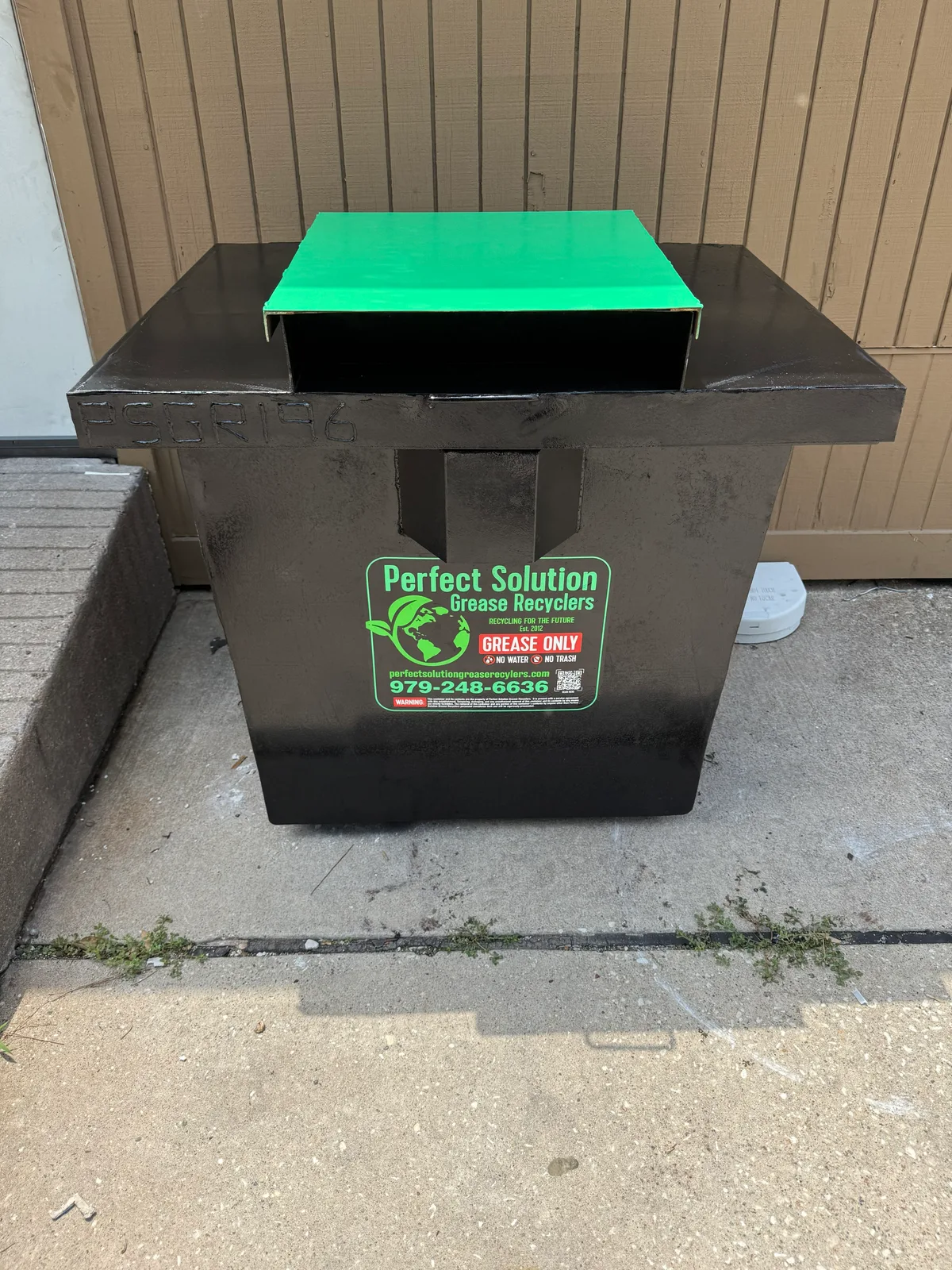
Container size depends on how much oil your restaurant produces daily and how often you want collections to happen. A busy fast-casual spot generates way more grease than a fine dining restaurant with limited fried items.
Here’s how to think about it: calculate your daily used oil volume, then decide on your pickup frequency. If you go through 50 gallons a week, a smaller container might work with twice-weekly pickups. If you’re doing 200 gallons a week, you’ll want a larger-capacity unit or more frequent collections.
Large-capacity grease containers designed specifically for restaurant use come in multiple sizes. Your installer can help you pick the right one based on your menu, cooking methods, and kitchen layout.
Where to Place Your Grease Container
Location matters more than most people realize. Your grease container should be easily accessible for staff to use and for the collection truck to reach it.
Best placement practices:
- Outside the kitchen, away from high-traffic areas where staff might trip over it
- On a level, stable surface that can handle the weight
- Close enough to the kitchen that pouring used oil isn’t a long, messy walk
- In a spot where the collection vehicle can back up safely and access the lid
- Away from customer seating and foot traffic
- On a surface that’s easy to keep clean, like concrete or a designated drainage area
Some newer restaurants use non-traditional locations, like shared kitchen spaces or food halls. If that’s your situation, the right grease interceptor and solids separator system can still work. You just need a setup that fits your specific space.
Installation Steps for a New Restaurant Grease System
The actual installation process involves several key steps:
Step 1: Have a professional assessment done. Before you buy anything, have someone look at your kitchen layout, your cooking equipment, and your plumbing setup. This determines what size container you need and exactly where it should go.
Step 2: Get the right equipment. Grease containers come in different materials (plastic, stainless steel) and sizes. Your kitchen’s volume and your available space will guide this choice. Your installer will recommend what makes sense.
Related: Commercial Kitchen Grease Container Installation Guide
Related: Cooking Oil Storage Container Delivery & Installation Guide
Step 3: Install the container properly. This isn’t a DIY job. Professional installation makes sure everything is level, secure, and connected correctly to your kitchen’s drainage system. Poor installation can cause leaks, backups, and safety issues.
Step 4: Set up your collection schedule. Once your container is installed, you’ll arrange regular pickups. This is where having a reliable partner makes all the difference.
Step 5: Train your staff. Make sure your kitchen crew knows how to use the system properly, what can and can’t go into the container, and how to stay safe while pouring hot oil.
Maintenance and Safety Considerations
A properly installed grease containment system improves operational efficiency, but only if you maintain it. Regular cleaning prevents buildup, reduces odors, and keeps everything working smoothly.
Safety is huge. Used cooking oil can be hot, and spills create hazards. A good container system keeps that risk low. Make sure your staff uses proper containers for pouring, wears appropriate protection, and knows the safe disposal process.
Solids separators in modern systems help manage additional waste streams. Some systems include this feature built-in, which reduces the extra work your staff has to do.
How Professional Support Streamlines the Process
Installing a grease container on your own timeline, without expert guidance, often leads to problems. Wrong sizing, poor placement, or incomplete installation can cost you money in fixes and lost productivity.
Perfect Solution Grease Recyclers handles delivery, installation, and scheduled pickups based on your volume. This takes the whole burden off your shoulders so you can focus on running your restaurant.
When everything is installed right and maintained properly, your kitchen runs smoothly and your staff stays safe. That’s the whole point.
Getting Started With Your Grease Container Installation
Opening a new restaurant is overwhelming. Adding grease container installation to your to-do list doesn’t have to be. Start by assessing your daily oil volume and your space constraints.
Then reach out to a professional who understands restaurant kitchens and has real experience installing these systems. They’ll guide you through sizing, placement, installation, and scheduling. If you’re in Texas and want personalized service from a team that genuinely cares about keeping your kitchen running right, Perfect Solution Grease Recyclers is here to help with expert installation and reliable ongoing support.
People Also Ask
Do all new restaurants need grease interceptors?
Yes, the EPA requires food service establishments to install grease interceptors. If your restaurant uses cooking oil, you need a system in place. Even if you don’t deep fry, you likely produce enough grease during cooking that a proper container is required.
How often should grease containers be cleaned?
That depends on your volume and container size. A busy restaurant might need cleaning every week or two. A slower operation might go longer. Regular maintenance prevents buildup and keeps odors down. Your collection schedule will help determine the right frequency.
Can I install a grease container myself?
It’s not recommended. Professional installation ensures the container is level, secure, properly connected to your plumbing, and meets code requirements. DIY mistakes can cause leaks, plumbing issues, and safety problems that cost way more to fix than hiring a professional upfront.
What happens to the used cooking oil after it’s collected?
Used cooking oil is recycled and repurposed. It doesn’t go to a landfill. Your collection partner handles the proper transport and processing so you don’t have to worry about it.