Learn how to set up an oil recycling program for your restaurant in 2 weeks. Step-by-step guide to reduce waste, earn money, and go green.
Starting a restaurant oil recycling program sounds complicated, but it’s actually straightforward and can be done in about two weeks. You’ll reduce waste, earn money from your used cooking oil, and make your kitchen more sustainable. Here’s exactly how to get it done.
Step 1: Audit Your Cooking Oil Volume
Before you do anything else, figure out how much used cooking oil your restaurant generates each week. This matters because it determines how often you need pickups and which recycling option works best for you.
Related: Restaurant Oil Recycling Payout Rates in Texas 2026
Walk through your kitchen and count how many fryers you run, how often you change the oil, and what size containers you’re already using. Jot down the numbers for a full week of service. Are you filling a 5-gallon bucket daily? Every few days? This baseline tells you everything about program sizing.
Step 2: Choose Your Recycling Option
You have three main paths forward, and the right one depends on your volume and how hands-on you want to be.
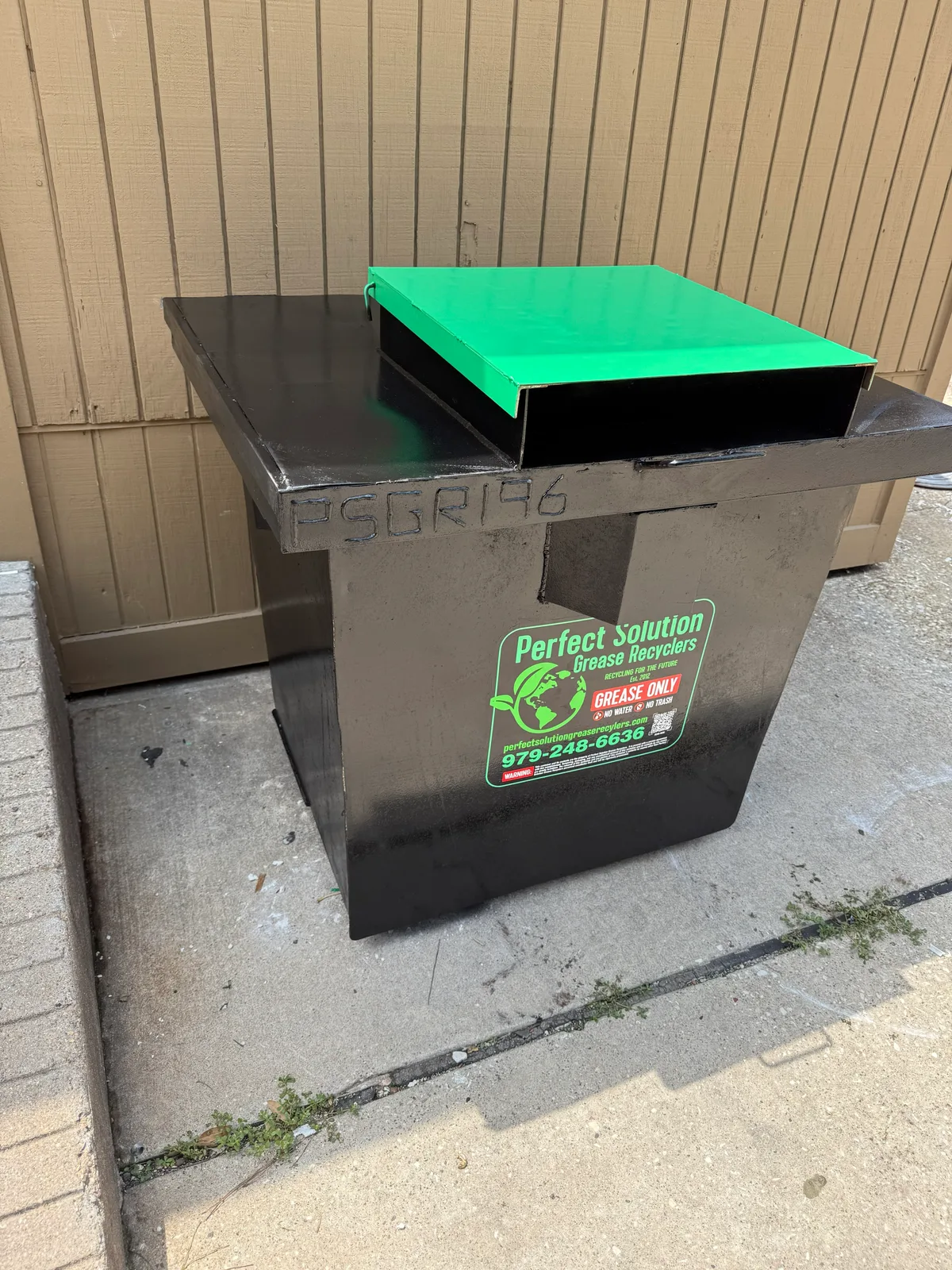
Licensed collection services are the simplest option. A professional company delivers a storage container, picks up your oil on a set schedule, handles all regulations, and pays you for the oil. This takes the headache out of compliance and logistics. If you’d rather focus on cooking than managing oil, Perfect Solution Grease Recyclers offers this service across Texas with dependable pickups and competitive payouts.
Licensed rendering companies are another option. You collect and store the oil yourself, then arrange drops at their facility. This saves on pickup costs but requires more manual work and storage space.
Local drop-off centers may be available in your area, but transportation and storage become your responsibility. This works best if you generate very small volumes.
Step 3: Review Local Regulations
Before you commit to any recycling method, check what your city or county requires. Most places have rules about how used cooking oil must be stored, labeled, and handled for safety and environmental reasons.
Call your local health department or waste management office and ask about oil recycling requirements. Questions to ask: Do containers need specific labeling? Are there storage location rules? Do I need permits? Getting this right upfront saves you headaches later.
If you go with a licensed collection service, they typically handle regulatory compliance for you, so that burden lifts off your shoulders.
Step 4: Get the Right Equipment and Containers

You’ll need a dedicated storage container for used oil separate from your regular trash. Most containers are food-grade, leak-proof, and sized between 5 and 55 gallons depending on your volume.
Related: Restaurant Used-Oil Recycling with Container Service: Full Guide
The container should have a tight-sealing lid, a secure location near your fryers for easy access, and clear labeling so staff don’t accidentally mix it with anything else. Some recycling programs deliver containers as part of their service.
You’ll also want to stock your kitchen with funnels, funnels with filters, and gloves for safe handling during collection. This keeps oil off the floor and out of the trash where it doesn’t belong.
Step 5: Train Your Staff and Build the Routine
Your recycling program only works if your team uses it consistently. Schedule a quick kitchen meeting and explain where the oil goes, how to pour it safely, and why this matters.
Make oil collection part of your closing routine, just like washing dishes or wiping down fryers. Assign one person per shift to handle the final pour and container check. The easier you make it, the more reliably it gets done.
Post a simple sign above the container reminding staff not to mix water or food debris into the oil. Contamination can make the oil unrecyclable and cost you money instead of earning it.
Step 6: Set Up Your Collection Schedule
Once you’ve chosen your recycling partner or method, nail down your pickup frequency. Most restaurants with moderate fryer use need pickups weekly or every two weeks. High-volume kitchens might need twice-weekly service.
Your volume audit from Step 1 guides this decision. Schedule pickups for a time that fits your business, like early morning before service or late afternoon after close.
If you’re working with Perfect Solution Grease Recyclers, they’ll manage the schedule based on how much oil you generate, so your routine stays consistent without you having to think about it.
Step 7: Track Your Oil and Earnings
Keep a simple log of each collection. Note the date, volume collected, and the payout (if applicable). This helps you spot patterns, forecast future earnings, and prove the value of the program to your restaurant’s bottom line.
Over time, you’ll see exactly how much used cooking oil your kitchen produces and what it’s worth. This data is gold for budgeting and sustainability reporting if you want to highlight your green efforts to customers.
Make It Part of Your Kitchen Culture
A successful restaurant oil recycling program isn’t just a system, it’s a habit. When your team knows that proper oil disposal keeps the kitchen cleaner, protects the environment, and adds a little cash to the register, they buy in faster.
Talk about the program during staff meetings. Show your team the environmental impact. If you’re paid for your oil, share how that money gets reinvested in the restaurant. Pride in the program leads to better compliance and fewer spills or mix-ups.
When to Call in a Professional
If the idea of managing collection schedules, regulations, and logistics feels like too much on top of running a kitchen, don’t hesitate to outsource it. That’s exactly what professional collection services are built for. You focus on food. They handle the oil.
Do I need a special license to recycle cooking oil?
Licensing depends on your location and how you handle the oil. If you’re collecting and storing it on-site for pickup by a licensed company, you typically don’t need a special license, but you may need permits or approval from your local health department. Check with your city or county before you start. If you’re running a collection business yourself, licensing requirements are stricter and vary by state.
How much space do I need for an oil storage container?
A standard 55-gallon container is about two feet tall and one foot in diameter. You need a clean, level spot near your fryers but away from food prep areas. Many restaurants tuck it in a corner of their dish pit or near the back door. A 5-gallon container takes up much less space if volume is low.
Can I recycle vegetable oil and animal fat together?
Yes, most licensed recyclers accept both vegetable oil and animal fat in the same container. Just make sure the container isn’t contaminated with food, water, or other liquids. If you’re unsure, ask your recycler before mixing them.
What happens to my used cooking oil after it’s collected?
Used cooking oil gets processed into biodiesel, animal feed, soap, and other industrial products. It’s a valuable commodity, which is why recyclers pay for it. Nothing goes to waste, and your kitchen’s byproduct becomes a resource instead of trash.