Learn how flexible pickup scheduling for used fryer oil works and why it matters for your restaurant. Get your oil collected on your timeline.
Here’s the thing: there’s no universal rule that says your used fryer oil has to get picked up on someone else’s schedule. If you’re running a restaurant or commercial kitchen in Texas, you should be able to work with a provider who actually listens to your operation and fits pickups around your needs, not the other way around.
Used fryer oil pickup scheduling flexibility is exactly what it sounds like. Instead of being locked into a rigid weekly or bi-weekly route that doesn’t match your actual oil volume, you can arrange pickups that align with when your containers actually fill up. This matters because it keeps your kitchen running smoothly, prevents messy overflow situations, and lets you work with a recycler who treats your business like it’s actually important.
Related: Used Vegetable Oil Pickup & Fair Market Value for Restaurants
Why Scheduling Flexibility Actually Matters for Your Kitchen
Every restaurant and commercial kitchen generates used cooking oil at a different rate. A high-volume breakfast spot might fill multiple containers in a week. A casual dinner-only place might need pickup every two or three weeks. A catering operation could have completely unpredictable volume swings depending on events.
Related: Used Cooking Oil Pickup Schedule Flexibility: What You Need to Know
Related: Used Cooking Oil Pickup Near Me Texas: Your Local Guide
Related: Used Cooking Oil Pickup for Food Trucks in Texas
When you’re stuck with inflexible pickup schedules, you end up with two bad options. Either you’re paying for pickups you don’t need yet, or you’re dealing with overflowing containers that create safety hazards and management headaches. Neither situation is ideal.
Flexible scheduling lets you avoid both traps. You arrange pickups based on your actual oil accumulation, not some generic calendar. This keeps your storage areas clean, prevents spills, and makes sure you’re only paying for pickups when you genuinely need them.
The best part? Perfect Solution Grease Recyclers can work with you to build a pickup schedule that actually matches how your kitchen operates, whether that’s weekly, every two weeks, monthly, or something totally custom based on your volume.
How to Set Up a Pickup Schedule That Works for Your Operation
Start by tracking your oil volume for a couple of weeks. How fast do your containers fill up? Do you generate more oil on weekends? Are there seasonal variations in your business? Once you understand your actual pattern, you have real data to work with.
Next, figure out your container capacity. If you’re using a 55-gallon container and you generate about 40 gallons per week, you know you need pickup roughly every 10 days. If you have multiple containers, you can stagger them to avoid situations where everything fills up at once.
Then talk to your recycling provider about what flexibility they actually offer. Some providers have strict routes and won’t budge. Others, like Perfect Solution Grease Recyclers, are built around the idea of accommodating your schedule, not the other way around. Ask specifically about:
Related: Maximize Profits From Used Fryer Oil Recycling
Related: What Restaurants Need to Know About Oil Recycling
- Whether you can call to request pickups when you need them, rather than waiting for a set day
- If they can adjust the frequency as your business changes
- How much advance notice they need
- Whether they offer seasonal adjustments for businesses with variable volume
Container Setup and Its Role in Flexible Scheduling
Your container situation directly affects how flexible your scheduling can realistically be. A single large container means you wait longer between pickups but have less control over timing. Multiple smaller containers give you more flexibility because they fill at different rates.
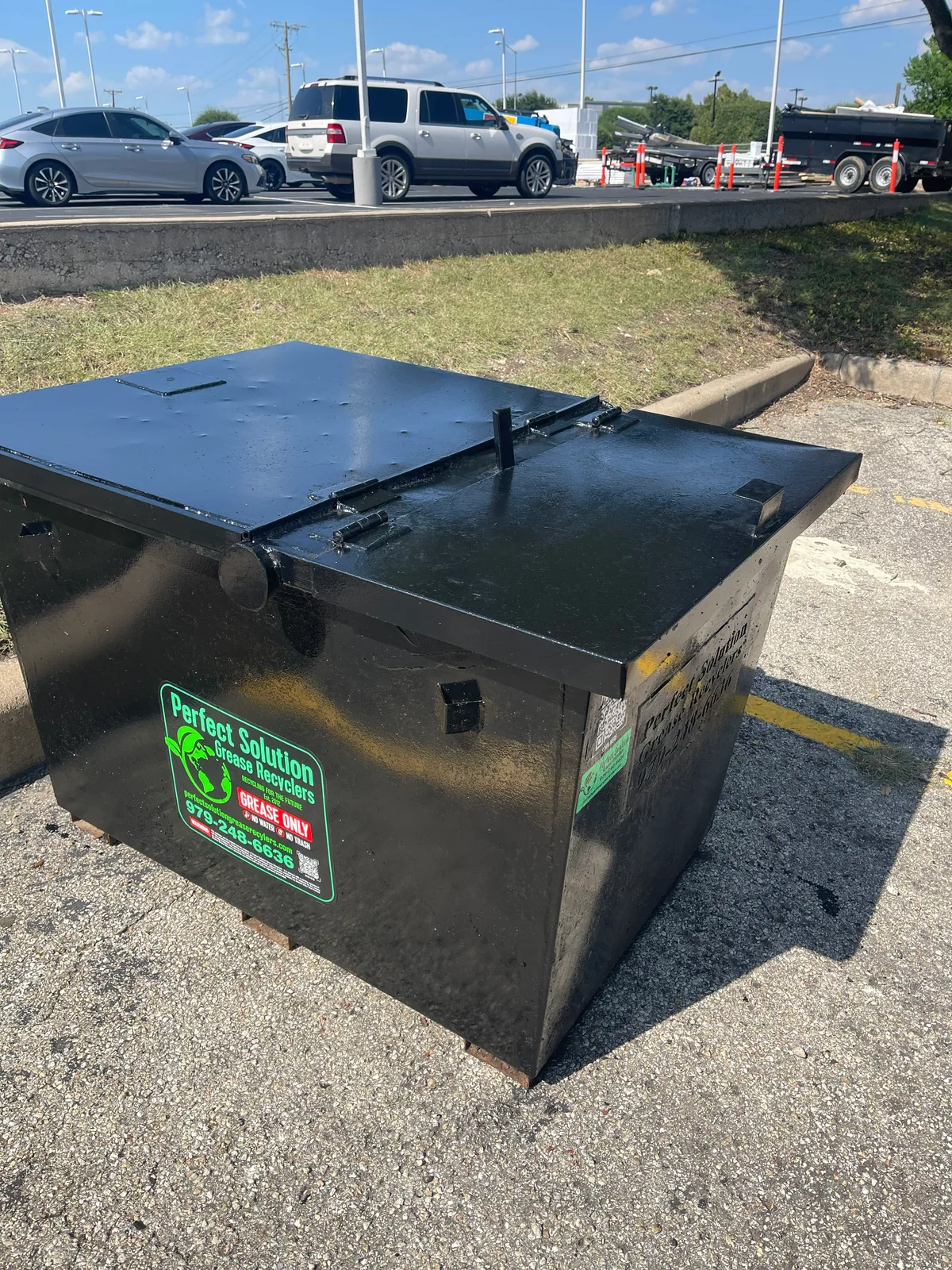
Most recycling services supply or recommend secure containers as part of their service. These containers are designed to hold used oil safely without leaks or contamination, which is non-negotiable for both health and compliance reasons. Ask your provider what container options they offer and help you figure out how many you need based on your volume.
Some kitchens benefit from having an extra container. While one is being picked up or is sitting empty, the other is filling up. This prevents the dreaded “my container is full and pickup isn’t until Friday” emergency that throws off your whole operation.
Year-Round Consistency Beats Guesswork Every Time
Even with flexible scheduling, routine is your friend. Establishing a consistent pickup schedule that’s flexible enough to adapt as your volume changes is way better than trying to wing it or calling randomly whenever you think you might need pickup.
Consistency means your provider knows what to expect from you. It means you’re not scrambling at 2 PM on a Tuesday because nobody checked the container. It means your staff knows the system and remembers to call when levels hit a certain point.
The goal is finding that sweet spot where you have a baseline schedule that works most of the time, but you can adjust it when your business demands shift. A busy season coming up? Let your provider know. Slow month? Ask about spacing out pickups a bit. This kind of communication is what separates a provider that actually serves your business from one that just runs a route.
When you’re working with Perfect Solution Grease Recyclers, this conversation is built into how they operate. They’re not trying to fit you into a box. They’re trying to build a schedule that makes sense for your kitchen.
How Flexible Scheduling Prevents Common Kitchen Headaches
Overflow is the biggest problem flexible scheduling solves. When used oil starts sitting in your kitchen too long, it gets messy. Spills happen. Smells get worse. Your whole storage area becomes a problem area.
Staff frustration is another big one. If your team doesn’t know when the next pickup is happening, someone’s going to overfill a container or make a mess trying to squeeze more oil in. Clear, flexible scheduling that your team understands prevents that completely.
There’s also the compliance angle. Different facilities have different rules about how oil can be stored and for how long. A flexible pickup schedule makes sure you’re never stuck in a situation where you’re violating those rules simply because your provider’s route doesn’t line up with your needs.
Working with Providers Who Get Flexibility
Not all recycling services are created equal on this front. Some are still running old-school routes where everyone gets picked up on the same day of the week, period. Others have adapted to understand that kitchens are real businesses with real volume fluctuations.
When you’re shopping for a provider, ask about flexibility before you sign anything. Can you request pickups outside their normal schedule? What’s the notice requirement? Do they charge extra for emergency pickups? How do they handle seasonal changes?
You want a partner who treats your schedule as important and who’s willing to adjust as your business grows or changes. That’s the difference between a service provider and an actual partner in your operation.
People Also Ask
Do I need to pick a specific day each week for used oil pickup?
No. With flexible scheduling, you can arrange pickups based on your actual oil volume rather than a fixed calendar day. Some providers will work with you to establish a general timeframe (like “usually Tuesday or Wednesday”) while remaining flexible based on how full your containers are that week.
What happens if my restaurant’s oil volume changes seasonally?
That’s a perfect reason to use flexible scheduling. Talk to your provider about adjusting pickup frequency as your volume changes. A busy season might need weekly pickups, while slower months might stretch to every two weeks. Your provider should accommodate this without penalty.
Related: Used Fryer Oil Pickup Without Minimum Volume
Can I request a pickup before my scheduled date if I’m running low on storage?
Yes, if you’re working with a provider that offers flexible scheduling. This is one of the main advantages. If your containers are filling faster than expected, you can call and ask for an earlier pickup. Different providers have different notice requirements, so confirm that when you set up your account.
How do I know if my current pickup schedule is actually working?
If you’re frequently running out of storage space before pickup day, or if containers regularly sit empty for days after pickup, your schedule isn’t optimized. A good provider will help you track patterns and adjust. If you’re dealing with that frustration, it’s worth having a conversation with your current provider or exploring options like Perfect Solution Grease Recyclers that prioritize making your schedule actually work.