Find reliable grease collection for your Austin restaurant. Learn how professional pickup services work and why they matter for your kitchen.
If you’re running a small restaurant in Austin, used cooking oil and grease management is part of your daily reality. You probably already know that dumping it down the drain isn’t an option, and storing it improperly creates problems. A professional grease collection service for small restaurants in Austin handles the whole thing for you: they deliver storage containers, pick up your used oil on a schedule that fits your volume, and pay you for it. That’s the basic deal, and it’s way better than handling it yourself.
Why Small Restaurants in Austin Need Professional Grease Collection
Let’s be real. Your kitchen is small, but your grease output isn’t tiny. You’re frying, sautéing, and cooking multiple times a day. That oil has to go somewhere, and “somewhere” can’t be your sink or a random barrel in the back lot.
Related: Grease Collection Alternatives to Large Waste Companies
Related: Reliable Grease Collection for Austin-Area Restaurants: Complete Guide
Related: Reliable Grease Collector for Food Service Businesses
When you don’t manage grease properly, you’re looking at clogged pipes, backed-up drains, and potentially expensive repairs. Plus, Austin Water has rules about how grease gets disposed of, and you want to stay on the right side of those regulations.
A grease collection service removes that burden. Instead of figuring out storage, hauling, and disposal on your own, a professional team handles it. They show up when you need them, take the full containers away, and bring you empty ones. Simple.
How Grease Collection Works for Your Restaurant
Here’s the step-by-step of what a typical grease collection service does:
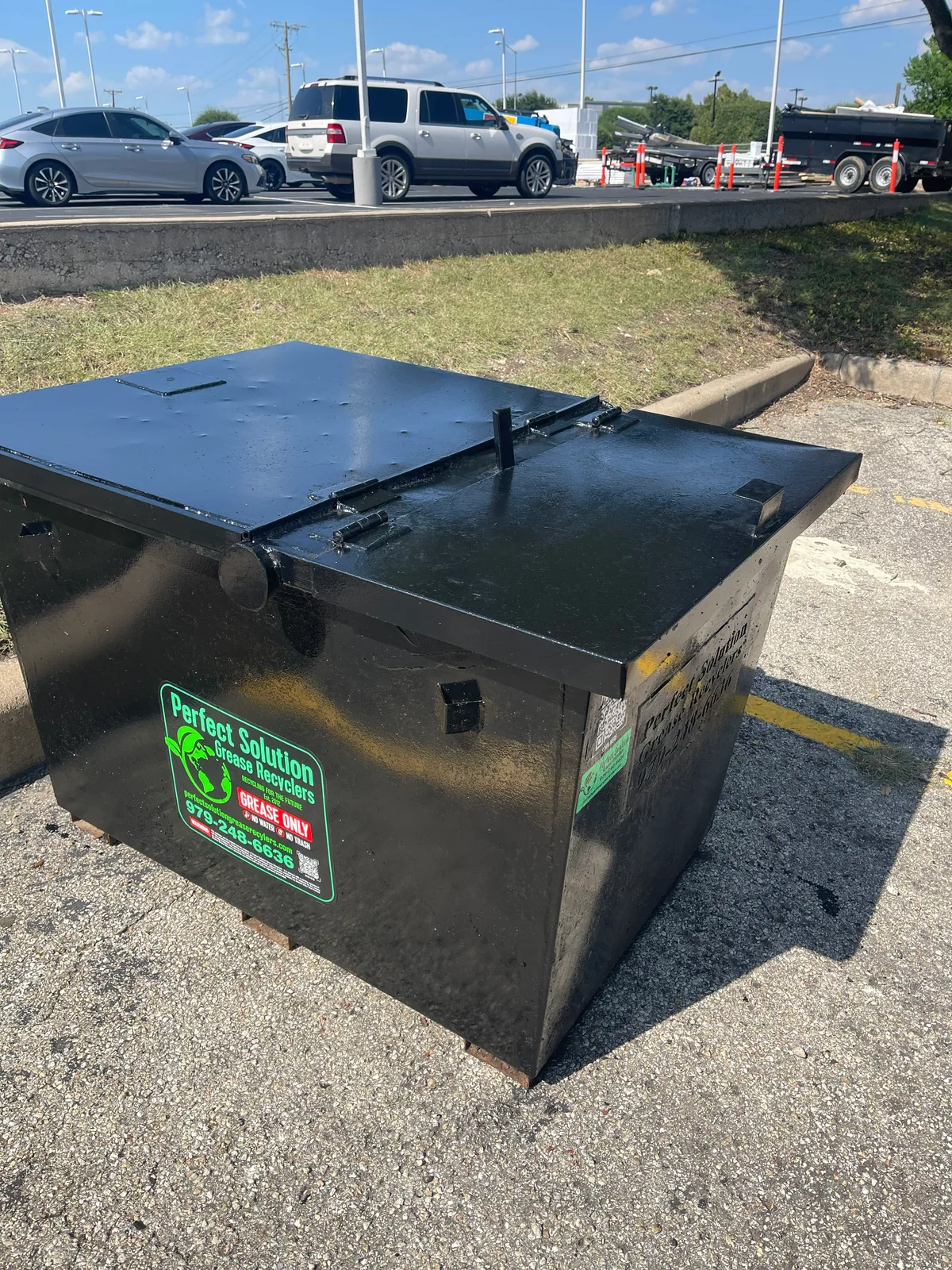
- Delivery and installation. The service delivers a dedicated storage container to your restaurant and installs it in a convenient spot, usually near your fryers or cooking line.
- Scheduled pickups. Instead of worrying about when to empty your grease, you get on a pickup schedule. For a small restaurant, this might be every 30 to 90 days depending on how much oil you use.
- Container swap. When the driver arrives, they swap your full container for a clean, empty one. No mess, no hassle.
- Payment. You actually get paid for your used oil. It’s not just a disposal cost; it’s a revenue line item.
The frequency of pickup depends on your menu and kitchen volume. A restaurant heavy on fried foods will fill containers faster than one that grills mostly. A good service provider will adjust the schedule based on what actually makes sense for your operation.
Finding the Right Grease Collection Service in Austin
Not all grease collection services are created equal. Some are huge corporate outfits that treat you like a ticket number. Others are local operators who actually know your neighborhood and care about showing up on time.
When you’re comparing options, ask yourself these questions:
- Do they offer flexible pickup schedules? You need a service that works around your actual business, not the other way around.
- How quickly do they respond if you call with a problem or need an extra pickup? Small restaurants can’t afford downtime.
- Do they pay fairly for your oil? You’re providing a product; you deserve competitive market rates.
- Are they transparent about pricing and how they calculate pickups?
If you’d rather skip the search and hand this to someone reliable, Perfect Solution Grease Recyclers serves restaurants across Austin and handles exactly this kind of work. They deliver containers, manage pickup schedules that match your volume, and pay competitive rates for your used oil.
Related: Grease Recycling Container Sizes for Restaurants
What to Expect Cost-Wise

Pricing for grease collection varies based on a few things: how often you need pickups, the size of your containers, and your location within the Austin area. A tiny neighborhood spot might have very different needs than a busier downtown kitchen.
Rather than guessing, reach out to a service directly and ask for a quote. They’ll ask about your cooking volume, menu type, and kitchen setup, then give you a price. Some services charge a fixed monthly fee. Others adjust based on how many pickups you actually use. You want to understand exactly what you’re paying before you commit.
One thing to confirm: does the service actually pay you for the oil, or do they charge you for disposal? That’s a big difference. Perfect Solution Grease Recyclers pays for your used oil, which means you’re not just eliminating a disposal problem, you’re creating a small revenue stream.
Setting Up Your Restaurant for Grease Collection
Once you’ve chosen a service, there’s not much heavy lifting on your end. Here’s what to prepare:
- Pick a spot for the container. It should be accessible to the delivery truck and close enough to your fryers that staff don’t have to carry hot oil far.
- Make sure staff knows the system. Train whoever’s cooking to pour used oil into the collection container, not down the drain. It sounds obvious, but a quick conversation prevents accidents.
- Keep the area around the container clean. Spilled grease gets slippery and messy. A clean zone around the container makes pickups easier and safer.
- Mark your calendar with pickup dates. You want to make sure someone’s there when the driver arrives, or at least that the container is accessible.
Most small restaurants find that grease collection is one of those services that just becomes part of the routine after the first month or two. It’s seamless once it’s set up.
Related: Used Oil Collection Service Cost Texas Restaurants
Why Local Matters
Austin’s restaurant scene is competitive. You’re probably juggling tight margins, staffing challenges, and the constant pressure to keep customers happy. A grease collection service should be one less thing to think about, not another vendor who forgets you exist.
Local service providers understand your neighborhood, your kitchen challenges, and your business. They’re not treating you as a ticket in a massive queue. They’re treating you as a restaurant they actually want to keep happy.
When you’re ready to set up grease collection for your Austin restaurant, Perfect Solution Grease Recyclers can walk you through the process, discuss your specific pickup needs, and get you on a schedule that works.
Key Takeaways

- Professional grease collection removes the burden of storage, disposal, and cleanup from your kitchen.
- Pickup frequency typically ranges from every 30 to 90 days, depending on your cooking volume.
- You should expect to be paid for your used oil, not charged for disposal.
- A good service offers flexible scheduling, reliable pickups, and transparent pricing.
- Setting up the system is straightforward and requires minimal changes to your daily operations.
People Also Ask
How often do I need grease collection pickup?
It depends entirely on how much you cook. A small restaurant doing moderate frying might need pickup every 60 to 90 days. One doing heavy frying all day could need it every 30 days or even more often. Your service provider will help you figure out the right schedule based on your actual oil volume.
What happens to my used cooking oil after it’s collected?
Used cooking oil is recyclable. It gets processed and used for things like biodiesel, animal feed, and other industrial purposes. It’s actually valuable material, which is why services pay for it instead of charging you for disposal.
Do I need a special container, or can I use my own?
You should use the container provided by your grease collection service. It’s designed for safe storage and transport, and using your own barrel or bucket creates liability and safety issues. Professional containers are part of the standard service.
What if I generate more grease than expected between pickups?
Call your service and request an extra pickup. Most providers can schedule emergency or priority pickups if you need them. Just don’t let grease overflow or sit in improper storage while you wait for the next scheduled pickup.”