Find the right used cooking oil recycling container for your restaurant. Learn about sizes, materials, and how to set up professional collection service.
If you run a restaurant or commercial kitchen in Texas, you’re dealing with used cooking oil regularly. The question isn’t whether you need to store it safely, but what kind of container works best for your operation and how to get it picked up reliably.
Used cooking oil recycling containers come in different sizes and materials, and choosing the right one depends on how much oil you generate, where you have space to store it, and how often you want it collected. Let’s walk through what’s available and how to set up a system that actually works for your business.
Related: Grease Recycling Container Sizes for Restaurants
Related: What Restaurants Need to Know About Oil Recycling
Container Sizes and What They’re Built For
Restaurants don’t all produce the same amount of used cooking oil. A small sandwich shop with one fryer has totally different needs than a high-volume steakhouse or fried chicken joint.
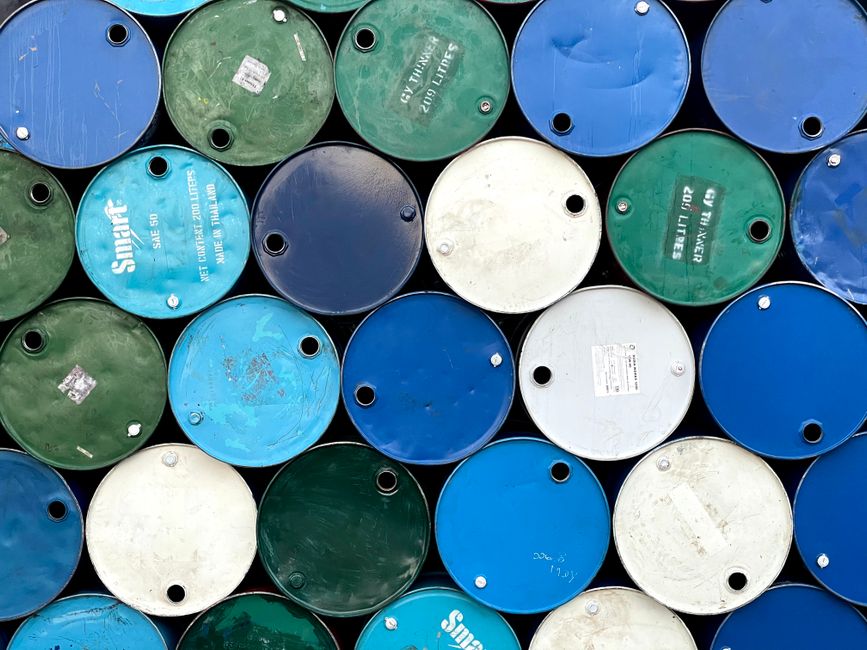
55-gallon drums are the entry point for smaller operations. They hold a reasonable amount of oil without taking up too much kitchen or back-room space. These work well if you’re doing light to moderate frying and you can handle weekly or bi-weekly pickups.
70-gallon plastic containers give you a bit more capacity while keeping things lightweight and easy to handle. Plastic construction means they won’t rust and they’re often easier to clean. They’re solid for mid-sized restaurants that need a little extra breathing room between collections.
Related: How Often Should Restaurants Collect Used Cooking Oil?
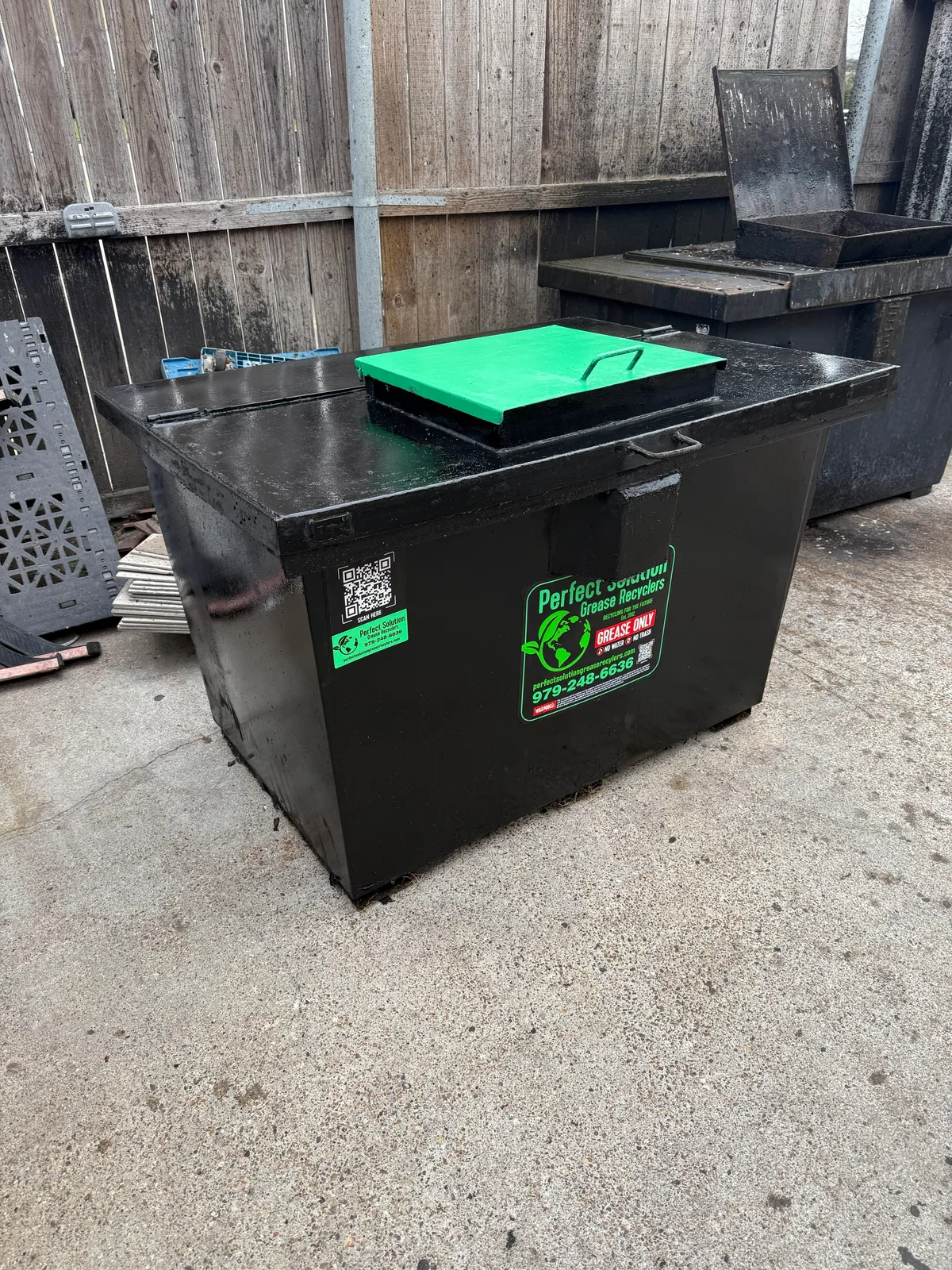
95-gallon and 140-gallon steel containers are the heavy hitters. Steel is durable, handles high volumes, and lasts for years. If your kitchen is running fryers all day long, these larger steel tanks make sense. You’ll go longer between pickups, which means less disruption to your operations.
Plastic vs. Steel: Which Material Makes Sense
Both materials have their place, and the right choice depends on your space, budget, and volume.
Plastic containers are lighter, easier to move around, and they won’t corrode. They’re great for restaurants that want something simple and don’t generate massive amounts of oil. The downside is they’re usually smaller, so you might need more frequent pickups.
Steel containers are built to last. They’re heavier, more industrial, and they come in larger sizes. If you’re thinking long-term and you produce a lot of oil, steel is typically the better investment. Steel also handles high-temperature oil better and won’t degrade as quickly from the heat or the oil itself.
Setting Up a Professional Recycling Collection Service
Buying or renting a container is just the first step. The real benefit comes when you connect with a professional collection service that actually shows up on schedule.
A good recycling collection partner will deliver and install your container so you don’t have to worry about it. Then they manage a pickup schedule based on how quickly your restaurant fills it up. You never have to guess when to call for a pickup or scramble to find space for overflow oil.
Perfect Solution Grease Recyclers handles this for restaurants across Texas. They deliver the right container for your operation, pick it up on a schedule that fits your volume, and handle everything from there. No hassle, no guessing games.
How to Figure Out What Size You Actually Need
Don’t overthink this. Here’s the simple approach:
Related: San Antonio Used Cooking Oil Removal & Recycling Guide
- Light frying (1-2 fryers, occasional use): 55-gallon drum with weekly or bi-weekly pickup
- Moderate frying (2-3 fryers, regular service): 70-gallon plastic container with weekly pickup
- Heavy frying (3+ fryers, all-day service): 95 or 140-gallon steel container with flexible pickup schedules
Start with what feels right based on your operation. If you end up needing a bigger container, a professional service can swap it out for you. If you’re oversized, you can downsize later. The key is not leaving oil sitting in a full tank for weeks.
Why Professional Pickup Actually Matters
You could theoretically take used cooking oil to a recycling facility yourself. But that’s time, labor, and hassle you don’t have. Professional collection services take it off your plate completely.
Related: Cooking Oil Recycling Service Near Me in Texas
When oil sits too long in storage, it starts to break down and become harder to recycle. A reliable pickup schedule keeps the oil in good condition and ready to be reused. Plus, you avoid the risk of spills, environmental issues, or safety hazards that come with storing large amounts of oil on-site.
Some services also pay for the oil itself, which means your used cooking oil becomes a small revenue stream instead of a disposal cost. That’s a nice bonus for restaurants already managing tight margins.
Installation and Placement Tips
Once you decide on a size and material, think about where you’ll put it. Your container needs to be accessible for your staff to pour oil into it safely, but also positioned so a truck can reach it for pickup.
Keep it away from high-traffic areas where it could get bumped or create a tripping hazard. Make sure there’s enough clearance around it so nobody gets hurt moving it or cleaning up spills. If you’re in a tight space, talk to your collection service about the best placement option.
A good service, like Perfect Solution Grease Recyclers, will help you figure out the logistics when they install it. They know what works in restaurant kitchens because they do this every day.
Maintenance and Keeping Your Container Clean
A container with used cooking oil needs minimal maintenance, but a little care goes a long way. Make sure the lid is always closed and secured when you’re not actively pouring oil into it. This prevents spills, keeps pests out, and slows down oil degradation.
If your container ever gets messy or sticky on the outside, a quick rinse with a hose does the job. Nothing complicated. Your collection service handles the rest when they pick it up.
Common Questions About Used Cooking Oil Containers
Can I use any kind of container to store used cooking oil?
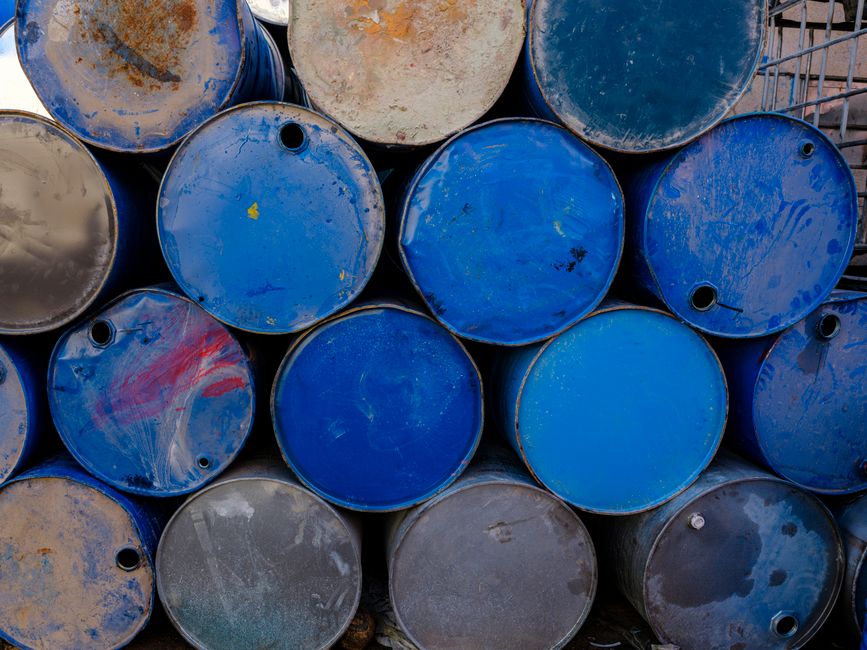
Not really. Used cooking oil is hot and heavy, and it needs a container designed to handle it safely. Those containers protect your staff, your kitchen, and the environment. Standard trash cans or repurposed drums that weren’t designed for oil storage can leak, rust, or fail. Stick with containers made specifically for used cooking oil recycling.
How often should my container be picked up?
That depends on your volume. A busy restaurant might need weekly pickups, while a smaller operation might only need service every two weeks or once a month. Work with your collection service to figure out a schedule that keeps your container from overflowing but doesn’t leave you with a half-full tank sitting around for weeks.
What happens to my used cooking oil after it’s collected?
Used cooking oil gets recycled into useful products. It doesn’t just go to a landfill. The oil is cleaned and processed, then reused for things like biodiesel, animal feed, and other industrial applications. Your restaurant’s waste becomes a resource.
Do I need to do anything special to prepare the oil for pickup?
Nope. Just pour it into your container and keep the lid closed. Don’t add water, food particles, or anything else to the container. The cleaner and more stable the oil stays, the better it recycles. Your collection service takes care of the rest.