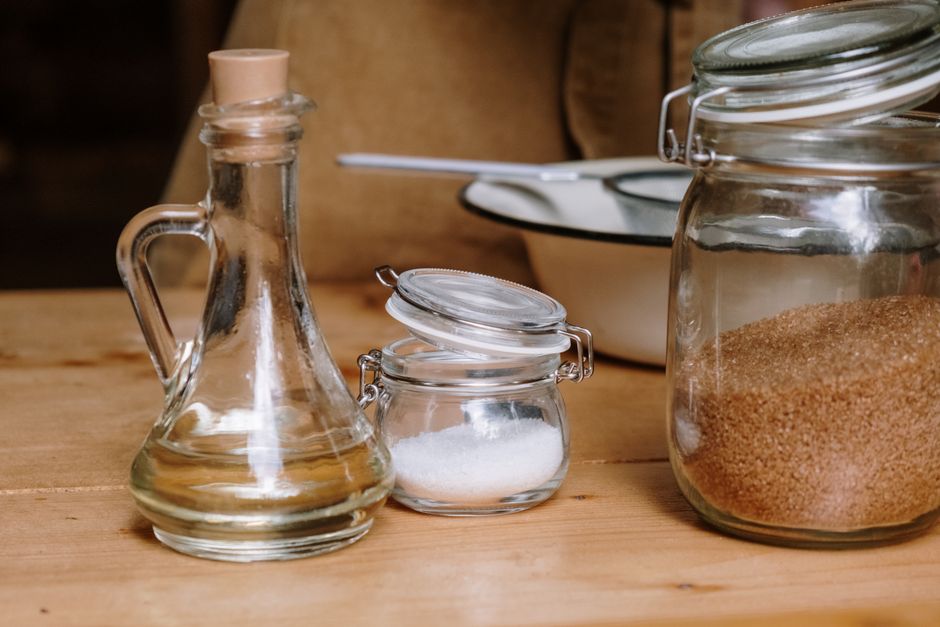
Dedicated oil storage containers keep used cooking oil organized, safe, and ready for pickup. Learn what to look for in a commercial kitchen storage solution.
Dedicated oil storage containers are the backbone of any organized commercial kitchen. They keep your used cooking oil contained, safe, and ready for scheduled pickup instead of sitting around in random containers that take up counter or floor space.
If you’re running a restaurant or food service operation, you already know how fast used oil accumulates. Without proper storage, it becomes a safety hazard, a sanitation issue, and honestly, just a headache. The right container system solves all of that.
What Makes a Good Oil Storage Container for Your Kitchen
A solid dedicated container needs to do a few things really well. First, it has to be leak-resistant so spills don’t happen on your kitchen floor or in your storage area. That’s non-negotiable from both a safety and cleanliness standpoint.
The container should also have an airtight seal. This prevents odors from taking over your kitchen and keeps the oil from absorbing flavors or contaminants from the air. Stainless steel and glass are the most common materials because they’re durable, won’t crack or warp under daily use, and they’re easy to clean.
You’ll want a built-in strainer or filter system so you can remove food particles and debris before the oil gets stored. That keeps your oil cleaner and makes the whole recycling process smoother down the line.
Related: Used Cooking Oil Recycling Containers for Restaurants
Capacity matters too. Depending on your operation’s volume, you might need a container that holds anywhere from a few gallons up to several hundred pounds of used oil. Stackable designs are a real game-changer if you’re tight on space, since you can store multiple containers without eating up valuable kitchen real estate.
Indoor vs. Outdoor Storage Options
Most dedicated storage containers are designed for indoor use, which makes sense for a busy kitchen. Indoor tanks are built with employee safety in mind, so they’re easier to handle and less risky to move around during the workday.
An indoor container also keeps your oil away from rain, temperature swings, and weather that can degrade the quality. Plus, your team can access it easily when they need to pour in used oil during service.
Some operations do use outdoor storage tanks, but they require more robust protection from the elements. Either way, the key is keeping the container sealed, stable, and positioned so your staff doesn’t have to wrestle with it every time they need to add oil.
Key Features to Prioritize
Look for containers with dishwasher-safe construction or at least parts that can be easily cleaned and sanitized. Your health inspector will appreciate it, and so will your team.
A solid lid or cap is essential. It keeps pests out, prevents spills if the container tips, and stops oil from splattering if it gets bumped. Some lids are locking designs, which is great for security and preventing accidental openings.
The container should have a stable base so it doesn’t wobble or tip over. If you’re storing large volumes, weight distribution and positioning matter more than you’d think.
Being able to see how full your container is helps with planning. Some containers have measurement markings or transparent sections so you know when it’s getting close to full and can schedule a pickup before overflow becomes a problem.
How Dedicated Storage Fits Into Your Pickup Schedule

Here’s where dedicated containers really shine: they let you stay organized and predictable with your used oil management. When your oil is always in the same place, in a properly sealed container, you can coordinate pickups that actually work with your schedule instead of scrambling to manage overflow.
A reliable recycling partner like Perfect Solution Grease Recyclers can work with your container system to set up pickups based on your actual volume. That means no guessing, no emergency calls, and no risk of your grease trap backing up because storage got out of hand.
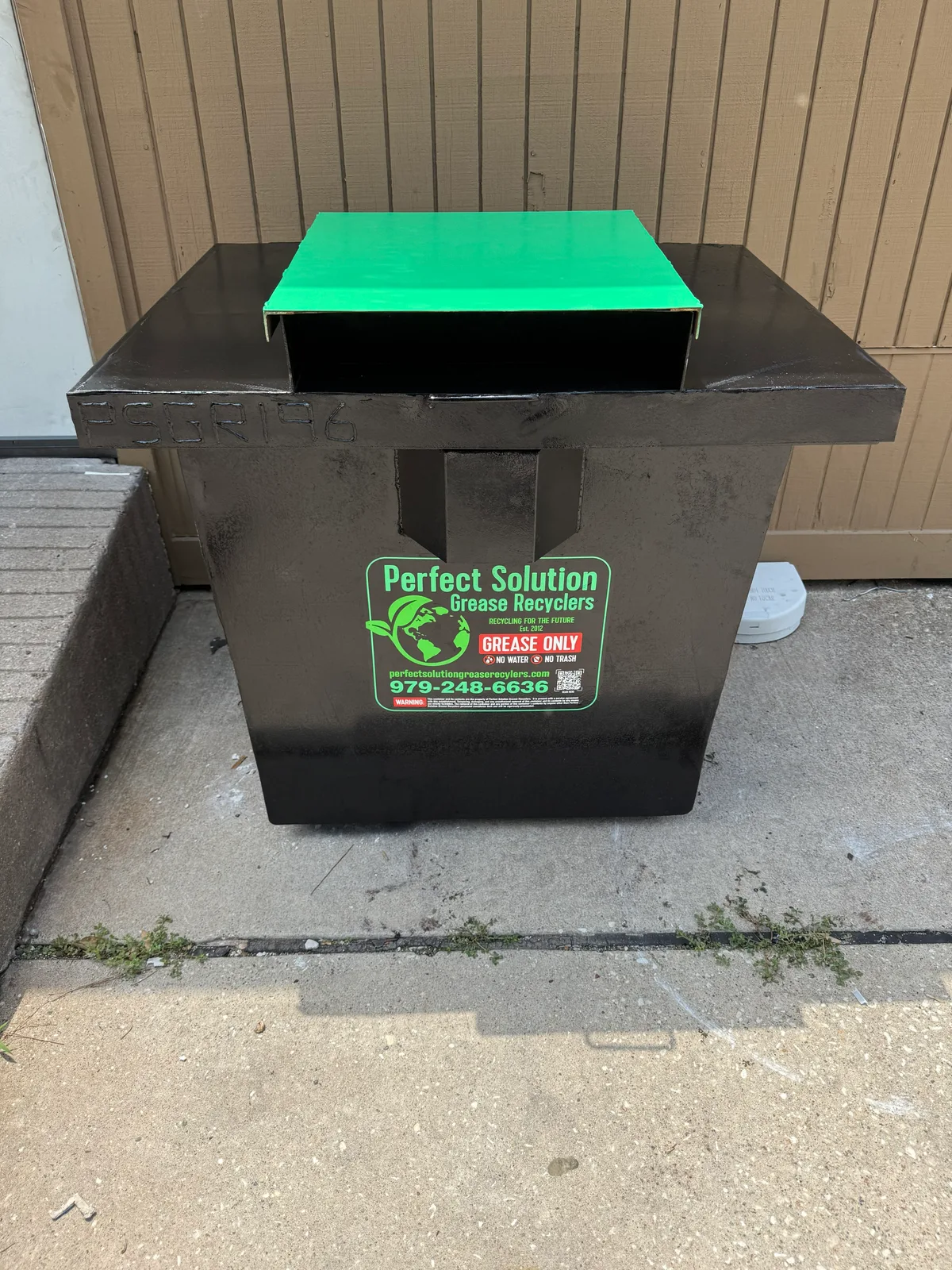
Dedicated containers also make the handoff easier. When your used oil is stored in a standard, sealed container, it’s ready to go the moment your pickup arrives. No fumbling around, no mess, no delays.
Space and Workflow Considerations
Think about where your container will live. Ideally, it’s positioned near where your team naturally ends up with used oil (maybe near your fryers or a prep station), but not in the middle of high-traffic areas where people could trip over it.
If space is tight, stackable containers let you store multiple units vertically. This is especially helpful if you run a bigger operation or have seasonal volume swings.
Make sure whatever spot you choose has good drainage in case of a small spill. And give yourself room to actually open and pour into the container without knocking over something else.
Maintenance and Cleaning
A dedicated container needs regular cleaning, but good ones make this straightforward. Dishwasher-safe parts can go through your regular sanitizing cycle. The main tank should be wiped down, and any filters or strainers should be emptied and rinsed.
If your container develops a crack or starts leaking, replace it immediately. A damaged container defeats the whole purpose and creates a safety issue for your staff and your kitchen.
Getting Started With the Right Setup
Choosing and installing dedicated oil storage containers doesn’t have to be complicated. Start by measuring your kitchen’s volume and frequency of oil disposal. That tells you what capacity you need.
Related: Commercial Kitchen Grease Container Installation Guide
Related: Cooking Oil Storage Container Delivery & Installation Guide
Related: Dependable Cooking Oil Pickup for Commercial Kitchens
Then, pick a material (stainless steel is usually the most durable), verify the seal quality, and make sure the container fits your space. Once you have it installed, set up a regular pickup schedule so the container never becomes a problem.
If you’re ready to move forward with reliable, professional used oil collection and want containers that actually work with your workflow, Perfect Solution Grease Recyclers can help you get set up with containers and regular service across Texas.
Common Questions About Oil Storage Containers
How often do I need to clean my dedicated oil storage container?
This depends on your volume and how often you use the container. A busy kitchen might need to wipe down and inspect the container weekly. At minimum, clean it every time you notice buildup, and definitely before any health inspections. If the container has removable parts like filters or lids, those should be cleaned or replaced regularly to maintain the seal.
Can I use a regular bucket or pan instead of a dedicated container?
Technically yes, but it’s not a good idea. Regular containers aren’t designed to be leak-resistant, and they won’t have the safety features of a proper storage tank. You risk spills, contamination, employee injuries, and violations during inspections. A dedicated container is built for this exact job and costs way less than dealing with a spill or accident.
What size container do I actually need?
This depends entirely on your operation’s volume. A small café might be fine with a 20-50 gallon container. A busy restaurant could need 100-500 gallons or more. The rule of thumb is to pick a size that fills up every 1-2 weeks under normal conditions. That way you’re not scrambling for pickups, but you’re also not keeping old oil sitting around.
Is stainless steel really better than plastic?
Yes, for commercial kitchens, stainless steel is the way to go. It resists cracking and warping from daily heat and use, it lasts longer, and it’s way easier to clean and sanitize. Plastic containers can degrade faster and sometimes absorb odors or flavors. Stainless steel is a bigger upfront investment but saves you money over time because you don’t have to replace it as often.